

On February 28, the United States and Israel launched military strikes against Iran, dramatically escalating tensions across the Middle East. The operation reportedly targeted and killed Iranian Supreme Leader Ali Khamenei and took place without prior approval from the United Nations, raising alarm among diplomats and analysts about the future of the international system.
The attack followed another controversial US action earlier this year. In January, American special forces seized Venezuelan President Nicolás Maduro from his residence in Caracas and transported him to New York, where he now faces criminal charges in federal court. Critics say the move signaled a willingness by Washington to bypass traditional diplomatic and legal frameworks.
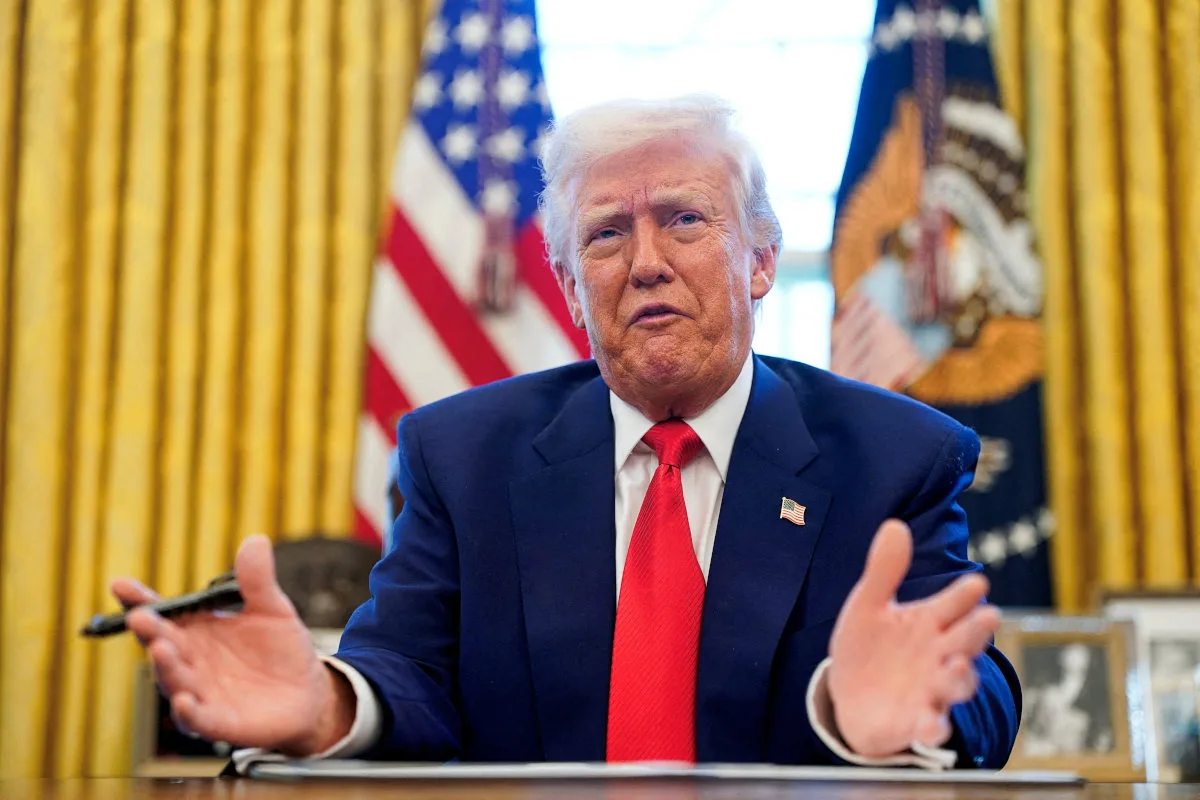
Meanwhile, US President Donald Trump has overseen a sweeping shift in foreign policy. In recent months, the administration withdrew from 66 international organisations, including 31 UN bodies. At the same time, Trump introduced a new institution called the “Board of Peace,” which he personally chairs and has suggested could eventually replace the UN system.
These developments, analysts argue, reflect a broader reassessment in Washington. The global order established after the Second World War, largely designed and supported by the United States, increasingly appears misaligned with current American priorities.
For decades, US financial resources, diplomatic influence and military power sustained the institutions built in 1945. Although critics have long debated how Washington exercised that influence, few dispute the scale of the commitment.
However, the geopolitical landscape has transformed dramatically since then. Europe has rebuilt its economies and security structures, while countries such as China, India and Brazil have emerged as major global actors. Meanwhile, affluent states including Canada, Japan and South Korea now wield substantial economic power.
As a result, many Americans question why their country should continue shouldering a disproportionate share of the burden for institutions created for a very different world.
Calls grow for reform and relocation of UN institutions
Observers increasingly argue that other nations must assume greater responsibility if they want to preserve multilateral cooperation. For years, critics say, many governments relied heavily on American leadership while contributing comparatively little to maintaining global institutions.
One symbolic step, some policymakers suggest, would involve relocating the UN headquarters from New York. Supporters of the proposal say moving the organisation would acknowledge the changing geopolitical reality and demonstrate that multilateralism does not depend solely on US participation.
Several cities could host a new headquarters. European diplomatic hubs such as Geneva and Vienna offer political neutrality. Alternatively, relocating to the Global South—perhaps Nairobi or Rio de Janeiro—would symbolically shift the centre of international governance.
Island nations have also emerged as potential candidates. Countries including Antigua and Barbuda, Barbados, Jamaica and Mauritius could host the institution, underscoring the importance of smaller and climate-vulnerable states within global diplomacy.
Beyond location, funding reforms remain crucial. The United States has traditionally financed roughly 22 percent of the UN’s regular budget and an even larger share of peacekeeping operations. Consequently, analysts argue that the organisation has become vulnerable to fluctuations in US domestic politics.
A broader funding base could help address this imbalance. Major economic powers—including the European Union, China, Japan and wealthy Gulf states—could increase their contributions to match their growing influence.
Supporters of reform say the need for stronger multilateral institutions is becoming more urgent as global crises multiply. Conflicts continue in Gaza, Sudan and the Democratic Republic of the Congo, while climate challenges intensify worldwide.
Climate governance also faces uncertainty following Washington’s withdrawal from the UN Framework Convention on Climate Change. Funding mechanisms such as the Green Climate Fund and the Adaptation Fund could face serious pressure without sustained international support.
Regional organisations are already discussing ways to respond. The Caribbean Community and other alliances representing vulnerable states may push proposals for institutional reform while strengthening regional bodies like the Caribbean Court of Justice.
Despite the tensions, analysts note that the United States remains the world’s largest economy and most powerful military force. Many American institutions, universities and civil society groups continue to champion international cooperation.
Still, diplomats warn that the rest of the world cannot wait indefinitely for US politics to settle. Instead, they argue, nations must begin building global institutions capable of functioning with—or without—American leadership.

