



On Monday, the Istehkam-e-Pakistan Party (IPP) achieved significant progress in Sindh by successfully bringing 32 members from the Pakistan Tehreek-e-Insaf (PTI) into its fold.
The development unfolded during a meeting held at the residence of IPP Sindh President Mahmood Moulvi, where 32 PTI members, including Asad Aman and 31 other union council chairmen elected in the Karachi local government election, decided to join the IPP.
Notably, these 32 individuals had refrained from participating in the mayoral vote, despite PTI’s official endorsement of Jamaat-e-Islami’s Hafiz Naeem. This decision contributed to the election of Murtaza Wahab as the mayor of Karachi.
IPP, established earlier in the year under the chairmanship of Jahangir Tareen, has been gradually attracting notable figures from PTI, including Imran Ismail, Farrukh Habib, and Ali Awan. The party’s president, Aleem Khan, is also a former member of PTI, along with Moulvi, who hosted the reception on Monday.
Senate resolution on military trial of civilians ‘unconstitutional’: Rabbani
In another development, describing the Senate’s endorsement of military trials for civilians as a violation of the Constitution, Raza Rabbani, a senior leader of the Pakistan Peoples Party (PPP), declared on Monday that he would persist in opposing it.
In the previous week, the Senate approved a motion against the Supreme Court’s decision regarding the trial of civilians in military courts, urging the suspension of the judgment’s implementation “unless it is considered by a larger bench.” The resolution supports the military trial of individuals arrested in connection with the May 9 riots.
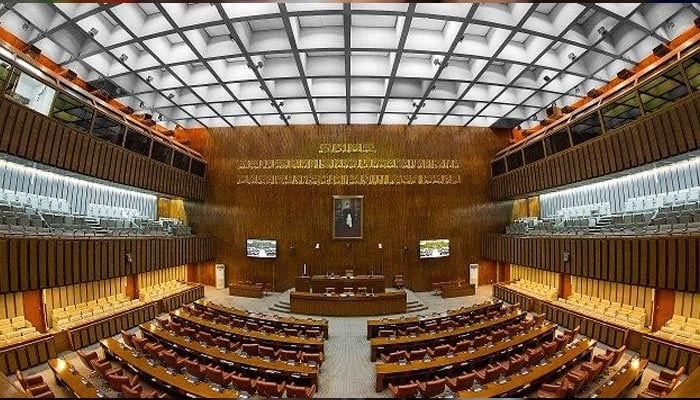
Two senators, Mushtaq Ahmed of Jamaat-e-Islami and Raza Rabbani of PPP, opposed the resolution against the Supreme Court’s decision.
Addressing the house today, Rabbani, the PPP leader, mentioned that he had supported the bill for establishing military courts in 2015, clarifying that his vote was in line with party discipline.
Expressing regret, Rabbani admitted feeling ashamed for voting in favor of the bill and reiterated his ongoing remorse.
In January 2015, Rabbani, emotionally affected, voted in the Senate on the 21st Constitutional Amendment for the establishment of military courts, admitting that he had never felt more ashamed in his life.
Sources familiar with the situation disclosed that the bill was not on the Senate session agenda, and the motion was introduced when a significant number of lawmakers were absent.
Following the bill’s passage, lawmakers protested vehemently in the house against the rushed approval of the resolution, demanding its immediate withdrawal. Senate Deputy Chairman Mirza Muhammad Afridi adjourned the proceedings due to a lack of quorum without addressing any agenda items.
