

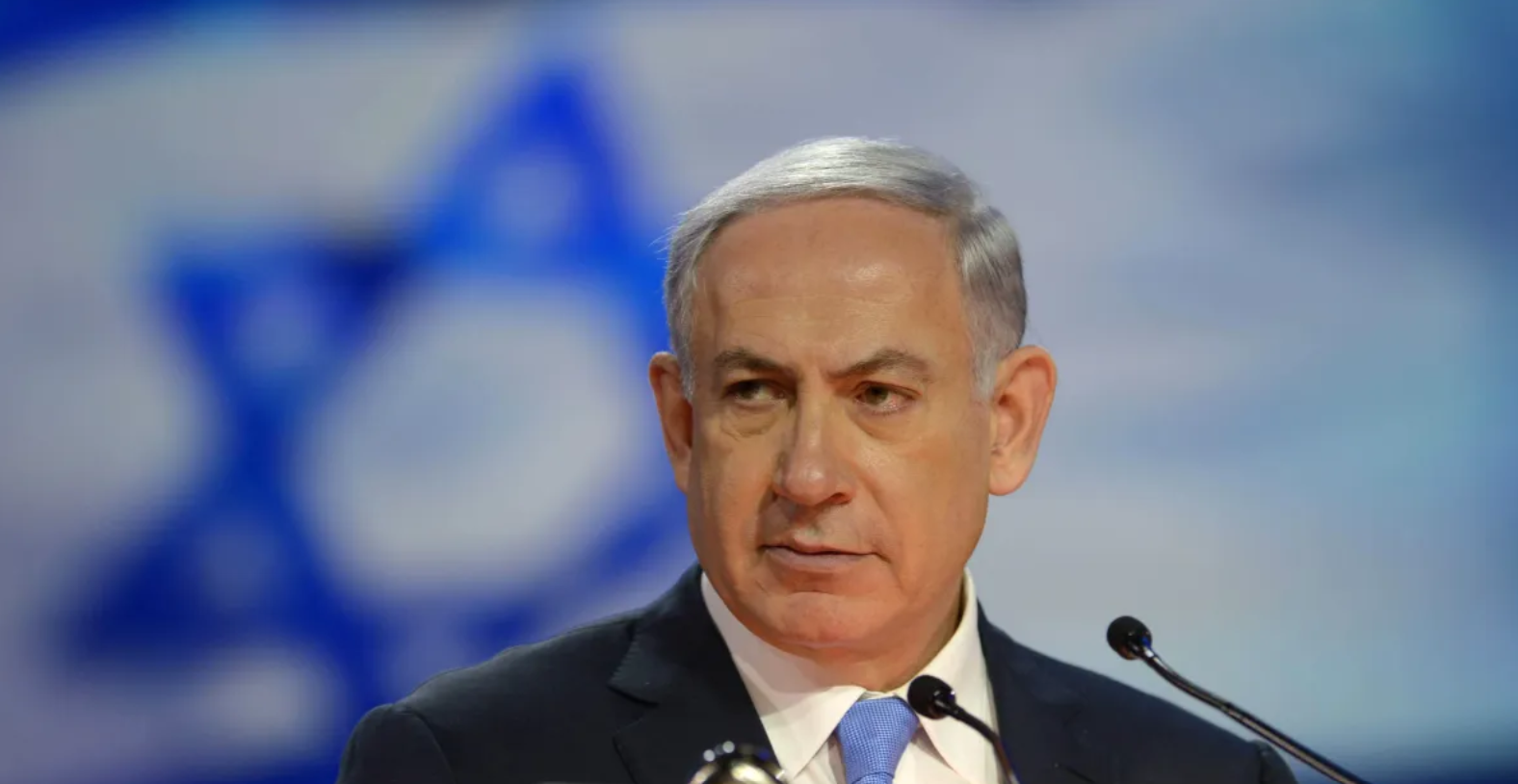

Israeli Prime Minister Benjamin Netanyahu has formally requested a presidential pardon in his long-running corruption trial. He argued that ongoing criminal proceedings hinder his ability to govern effectively and that a pardon would serve Israel’s national interest. Netanyahu, Israel’s longest-serving prime minister, maintains his innocence in all charges of bribery, fraud, and breach of trust.
In a video statement, Netanyahu said, “My lawyers sent a request for pardon to the president today. I expect anyone who wishes the good of the country will support this step.” His legal team emphasized that he continues to believe the trial would ultimately result in acquittal.
Process for Presidential Pardon
The request has been officially received by President Isaac Herzog’s office and forwarded to the pardons department in the justice ministry. Standard procedure involves gathering opinions and submitting recommendations to the president’s legal adviser, who will advise on the final decision.
Netanyahu’s lawyers argued that ongoing court hearings are burdensome and worsen societal divisions. They stated that ending the trial could promote national reconciliation, allowing the prime minister to govern without interruptions. Netanyahu highlighted the unusual demands placed upon him, saying he is required to testify multiple times per week, a burden not imposed on other citizens.
Political Reactions and Controversy
The pardon request has sparked polarized reactions. Coalition allies, including National Security Minister Itamar Ben-Gvir and Finance Minister Bezalel Smotrich, publicly supported Netanyahu. They claim the pardon is necessary to ensure stability.
Conversely, opposition figures, including Yair Lapid, insisted that a pardon should not be granted without an admission of guilt, expression of remorse, and resignation from politics. Former military deputy Yair Golan called on Netanyahu to step down and urged the president to reject the request.
Background of the Corruption Cases
Netanyahu has faced three related indictments since 2019, alleging that he offered favors to prominent business figures in exchange for gifts and favorable media coverage. He has consistently denied wrongdoing.
Despite legal challenges, Netanyahu remains a dominant political figure. First elected in 1996, he has served multiple terms as prime minister and returned to office in 2022. His coalition, regarded as the most right-wing in Israel’s history, faces uncertain prospects in the next election, scheduled by October 2026.
National Security and Recent Conflicts
Netanyahu’s tenure has been marked by major security events. He was prime minister during the October 7, 2023, Hamas attack, Israel’s deadliest assault on Jews since the Holocaust. Following the attack, Netanyahu oversaw extensive military operations in Gaza and against Hezbollah in Lebanon, as well as strikes on Iranian military infrastructure. These campaigns have drawn international attention and controversy.
Throughout his career, Netanyahu has emphasized security and economic priorities, but corruption charges have repeatedly overshadowed his leadership. The pardon request now raises questions about governance, justice, and political stability in Israel.
