

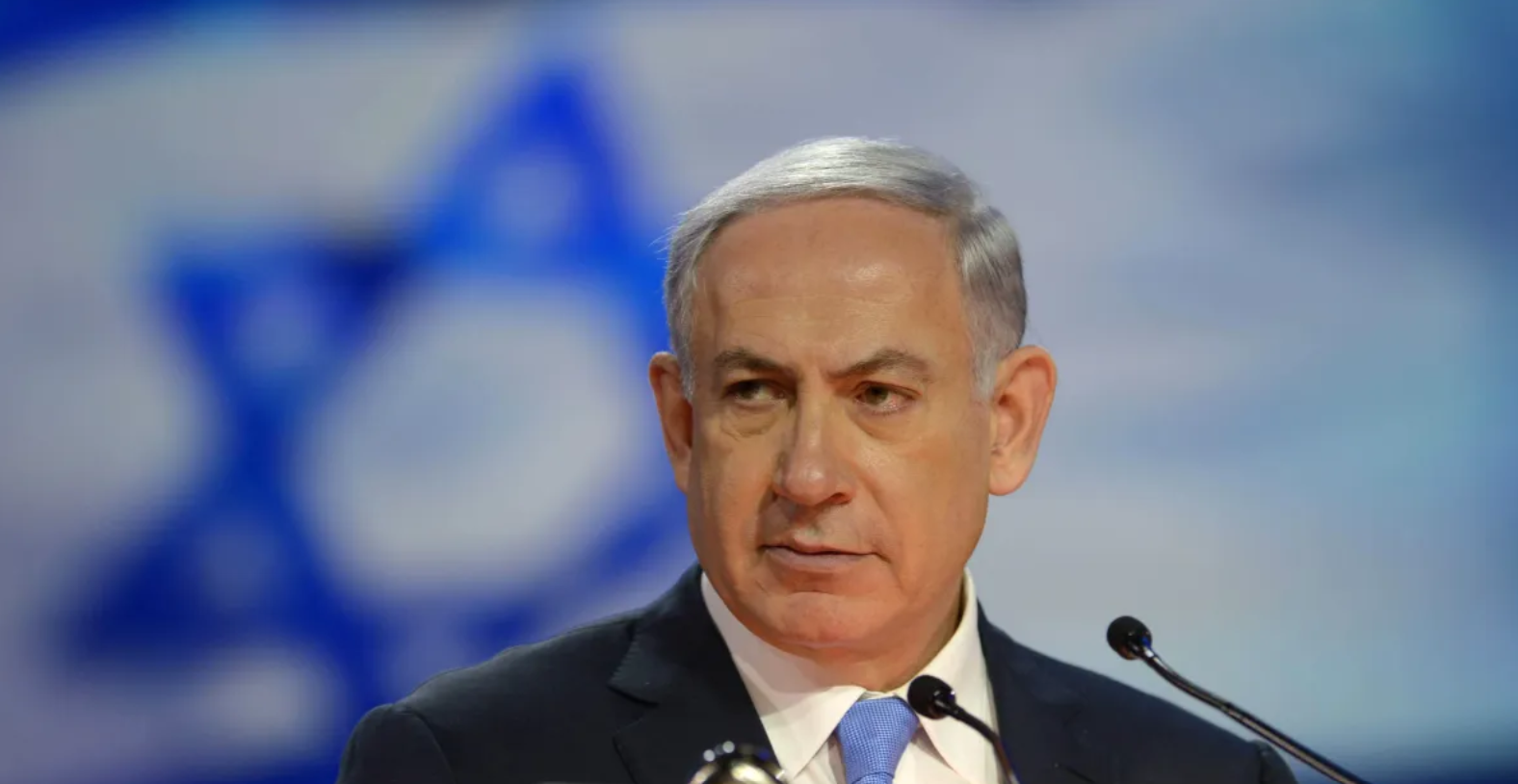

Israeli Prime Minister Benjamin Netanyahu has signed a new agreement to advance settlement construction in the occupied West Bank. The plan, which includes thousands of new housing units, would effectively bisect the territory and make the creation of a future Palestinian state nearly impossible.
Speaking at a ceremony in Maale Adumim, an Israeli settlement east of Jerusalem, Netanyahu reaffirmed his long-standing opposition to Palestinian statehood. He declared, “We are going to fulfill our promise that there will be no Palestinian state. This place belongs to us.”
Expansion Details and Implications
The project, often referred to as the E1 plan, involves the development of 3,400 new housing units. Situated on a 12-square-kilometer tract of land east of Jerusalem, the expansion would physically cut off large parts of the West Bank from occupied East Jerusalem.
East Jerusalem holds special importance for Palestinians, who view it as the capital of a future independent state. By pushing forward with the E1 expansion, Israel not only consolidates control over strategic land but also undermines the possibility of territorial continuity between Palestinian areas.
International law considers all Israeli settlements in the West Bank illegal, regardless of whether they were approved by Israeli authorities. Despite this, settlement activity has steadily expanded under Netanyahu’s leadership.
Palestinian Response
The Palestinian Authority strongly condemned the move. Presidential spokesperson Nabil Abu Rudeineh insisted that the creation of a Palestinian state with East Jerusalem as its capital remains inevitable. He stressed that the two-state solution is the only path to regional peace.
Abu Rudeineh also reminded the international community that 149 United Nations member states have already recognized Palestine. He called on remaining countries to extend recognition and support for Palestinian statehood without delay.
Historical Context
Netanyahu has consistently opposed peace initiatives with the Palestinians. He criticized the Oslo Accords of the 1990s, which many hoped would lead to Palestinian statehood. In a 2001 video, he was recorded claiming that he had effectively ended the accords.
During his first term in 1997, Netanyahu authorized the establishment of Har Homa in East Jerusalem, a settlement that further deepened tensions. His far-right allies have since echoed similar views, with some openly calling for the erasure of Palestine from the map.
Global Reactions
The international community has repeatedly condemned Israel’s settlement policies. In 2024, the International Court of Justice ruled that Israel’s continued presence in occupied territory was unlawful. The court called for an immediate halt to settlement activity and the evacuation of settlers.
A subsequent UN General Assembly resolution demanded that Israel withdraw from the West Bank. More than 100 countries voted in favor, while only 14 opposed.
Recently, several nations, including Germany, France, Belgium, and Malta, announced steps to support Palestinian statehood. Germany pledged to back a France-led resolution at the UN calling for the recognition of Palestine and the right of return for refugees.
Rising Tensions on the Ground
The announcement comes amid escalating violence across the West Bank and Gaza. Armed attacks, Israeli military raids, and large-scale arrests continue to fuel instability. Meanwhile, in Gaza, ongoing military operations have resulted in tens of thousands of casualties since 2023. Netanyahu has simultaneously promoted what he calls “voluntary migration,” widely criticized as a cover for forced displacement.
Netanyahu’s pledge to block the creation of a Palestinian state, coupled with the settlement expansion plan, has ignited international outrage. For Palestinians, it represents another step in dismantling the possibility of sovereignty. For the global community, it raises urgent questions about the future of peace, justice, and stability in the region.
