


Hamas Conflict
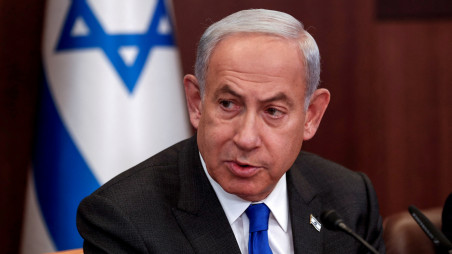
JERUSALEM: Benjamin Netanyahu, Israel’s longest-serving prime minister, built his reputation as a security hawk based on his service in an elite special forces unit responsible for daring hostage rescues.
However, his legacy now faces a critical challenge in the wake of one of Israel’s worst security failures, the hostage crisis involving over 200 people seized by Palestinian Hamas gunmen from Gaza. This incident resulted in the deadliest day in Israel’s 75-year history, with an estimated 1,400 people killed.
The magnitude of the tragedy, reports of trauma, and disturbing images from the affected communities around Gaza have deeply impacted the nation.
Netanyahu, who is in his sixth term as prime minister, leads a right-wing coalition and has been under growing pressure as the initial shock has transformed into public anger over the security lapses that allowed the attack to occur.
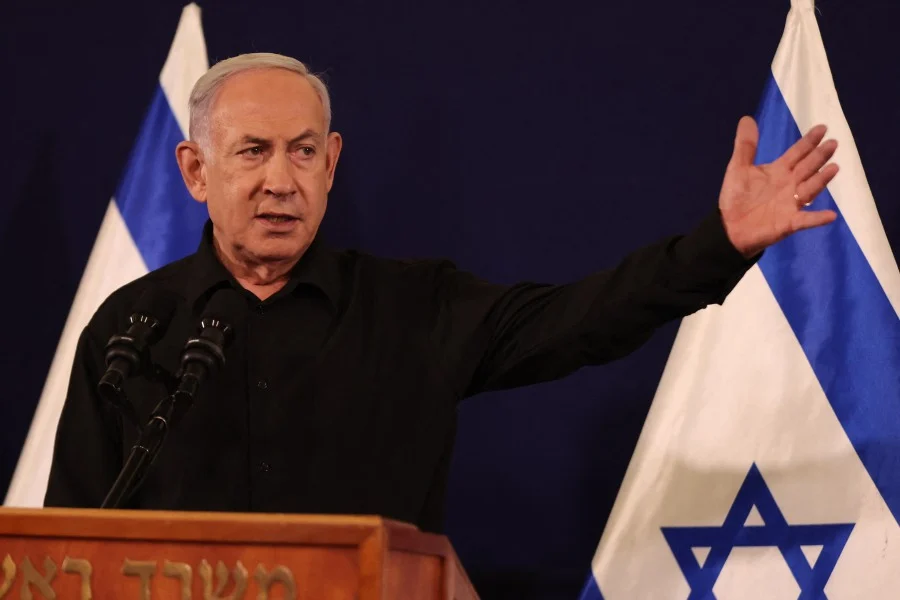
Despite the widespread blame and calls for accountability, Netanyahu has refused to accept responsibility, stating that tough questions will need to be answered once the conflict with Hamas concludes. In a rare press conference, he dismissed a question regarding his resignation.
Opinion polls reflect a significant shift in the public mood, with a majority of respondents placing blame on Netanyahu. An October poll showed that former Defense Minister Benny Gantz, leading an opposition centrist party in a unity government, was favored for prime minister by 48% of respondents, compared to only 28% for Netanyahu.
Critics argue that Netanyahu and other top officials failed in their responsibilities. Furthermore, Netanyahu faces ongoing trials on corruption charges, which he denies, and his popularity had already been affected by disputes over limiting the powers of the Supreme Court. These disagreements led to widespread protests involving hundreds of thousands of Israelis.
