

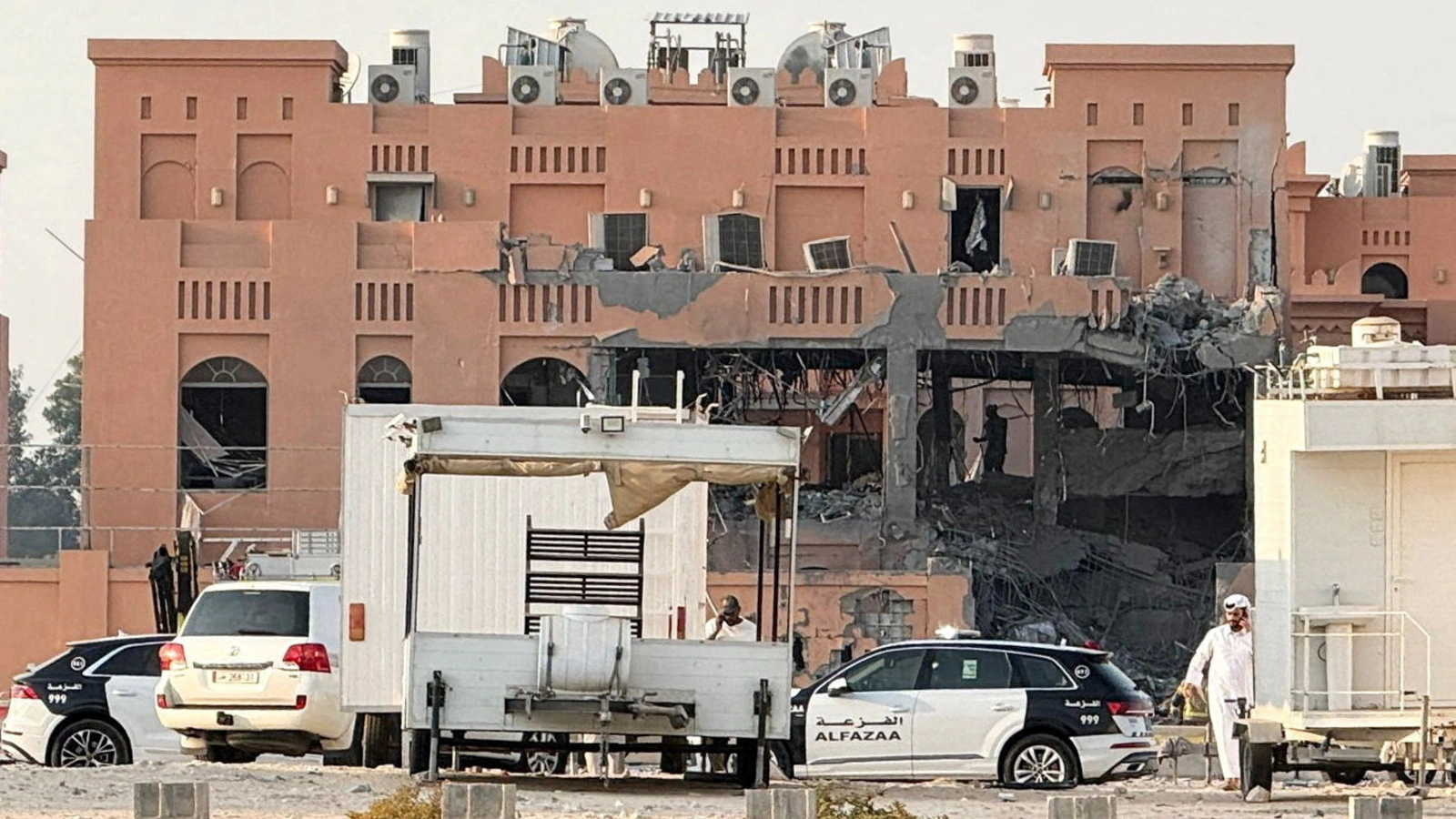

Israel’s latest airstrike in Doha marked a dangerous escalation in the ongoing conflict, extending its aggression beyond Gaza and into Qatar, a state actively involved in ceasefire negotiations. The attack claimed the lives of five people, including members of Hamas, and sparked widespread outrage across the globe.
Qatar’s Prime Minister Sheikh Mohammed bin Abdulrahman Al-Thani declared the assault a “pivotal moment,” warning that his country reserved the right to respond. The strike, which reportedly targeted Hamas negotiators, also killed a member of Qatar’s security forces, while several explosions near Doha’s Legtifya petrol station caused panic among residents.
The U.S. role in the attack came under scrutiny after White House Press Secretary Karoline Leavitt acknowledged that Washington had prior knowledge of Israel’s operation.
While she emphasized that the Trump administration did not endorse strikes in Qatar, Doha rejected claims of advance warning, saying it was only informed after the bombing began. President Trump later assured Qatari leaders that such actions would not be repeated on their soil, while distancing his administration from Israeli tactics.
Condemnations poured in from across the world. The UN, Saudi Arabia, UAE, and Iran denounced the violation of Qatar’s sovereignty, calling it a breach of international law and a destabilizing move for regional security.
Pakistan strongly condemned the attack, with Prime Minister Shehbaz Sharif and Deputy PM Ishaq Dar expressing solidarity with Doha.
Palestinian President Mahmoud Abbas, Pope Leo, and aid flotilla activists also voiced outrage, linking the attack to Israel’s broader campaign against humanitarian and peace efforts. With the strike on Qatar, Israel not only jeopardized ongoing truce talks but also heightened the risk of regional escalation, leaving diplomatic efforts at a critical crossroads.
