


Deadly Strikes Hit South Lebanon and Bekaa Valley
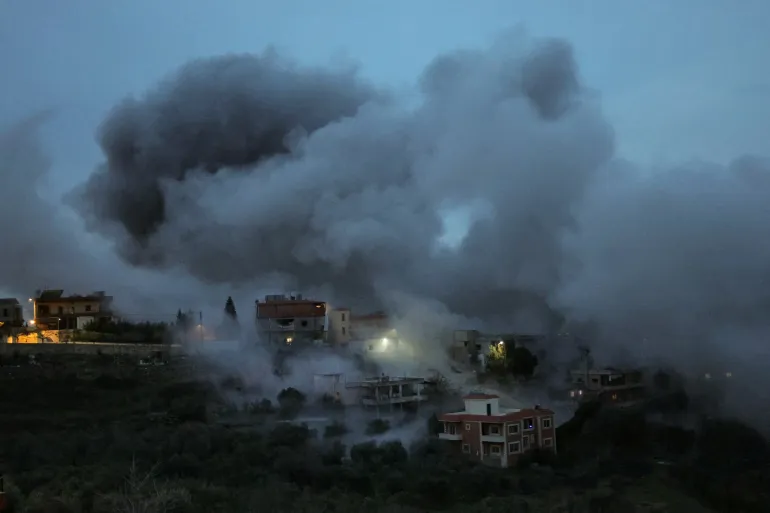
A new wave of Israeli air strikes has killed at least two people in Lebanon. The attacks mark another violation of the ceasefire agreed in November 2024 between Israel and Hezbollah. The strikes were carried out across multiple regions on Sunday.
According to Lebanon’s National News Agency, Israeli jets targeted areas in the eastern Bekaa Valley. Several villages in south Lebanon were also hit. These included Bouslaiya and Aita al-Shaab, close to the Israeli border.
One of the deadliest strikes hit a warehouse in Khirbet Selm. The area lies in the Bint Jbeil district. Lebanon’s Health Ministry confirmed that one person was killed at the site. Another individual was injured in the same attack.
The Israeli military claimed the warehouse was a Hezbollah weapons manufacturing facility. No evidence was provided to support the claim. Lebanese officials did not confirm the presence of weapons at the location.
Another Israeli strike hit the town of Derdghaya. The area lies east of the southern coastal city of Tyre. One person was killed in that attack. Lebanese media later identified the victim as Mohammed al-Hussayni, a local school teacher.
Rising Fears Amid Regional Tensions
The latest attacks come amid growing fears of wider conflict. Regional tensions remain high across the Middle East. Analysts warn of a possible major Israeli assault aimed at disarming Hezbollah.
There are also concerns about potential strikes by Israel and the United States against Iran. Iran is considered Hezbollah’s strongest regional ally. Any escalation could further destabilise Lebanon.
Despite the ceasefire agreement, Israeli strikes have continued almost daily. Lebanese officials say Israel still occupies five points inside Lebanese territory. These areas remain under Israeli military control.
The Israeli army has also destroyed several villages along the border. Reconstruction efforts have been blocked. As a result, many displaced residents have been unable to return home.
Lebanon’s government said earlier this month that it completed a key phase of disarmament. Officials claimed Hezbollah weapons south of the Litani River were removed. The Litani River lies about 28 kilometres from the Israeli border.
Disarmament Dispute and Hezbollah’s Position
In August last year, the Lebanese government issued a decree. The army was tasked with developing a plan to disarm Hezbollah. The process was designed to be phased and nationwide.
Hezbollah has refused to surrender its weapons north of the Litani River. The group argues that its military strength is necessary. It says arms are needed to resist Israeli occupation, terrorism and expansion.
Lebanese officials have pledged to continue the disarmament plan. The next phase will target areas between the Litani River and the Awali River. This region lies roughly 40 kilometres further north.
Hezbollah has been significantly weakened since Israel’s 2024 offensive. The assault killed many senior political and military leaders. Among them was Hezbollah chief Hassan Nasrallah.
Since the end of the war, Lebanon has faced a one-sided ceasefire. Israel continues to carry out attacks. Lebanon has not responded militarily.
Hezbollah has urged the Lebanese government to increase diplomatic pressure. It has called on ceasefire sponsors, including the US and France, to act. The group wants international pressure on Israel to halt violations.
For now, air strikes continue. Civilians remain at risk. The ceasefire remains fragile.
