

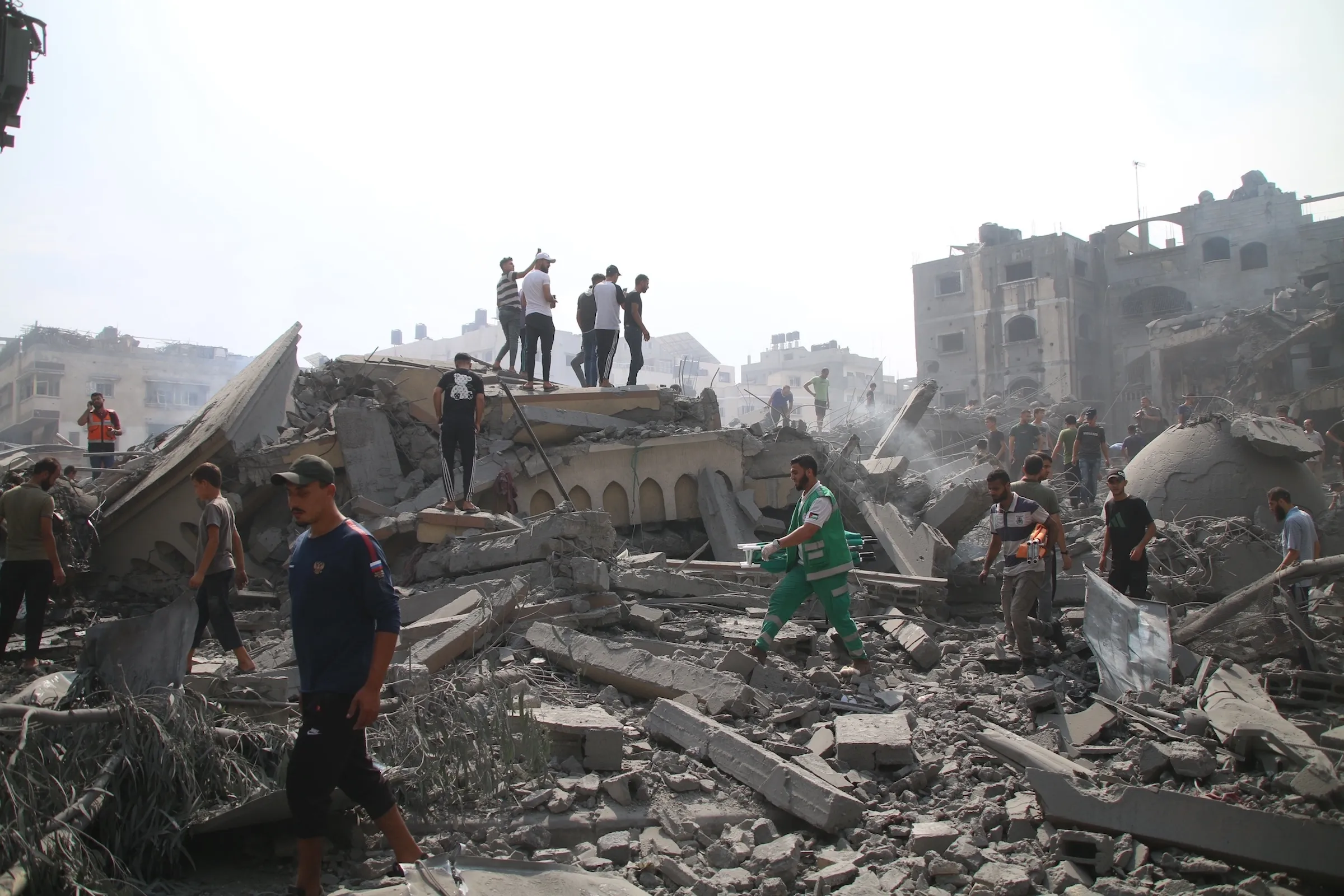

The Israeli military announced on Sunday it had launched “extensive ground operations” in both northern and southern Gaza, significantly escalating its military campaign in the enclave. According to Palestinian health officials, at least 130 people were killed overnight in Israeli airstrikes.
The intensified assault comes amid stalled indirect negotiations between Israel and Hamas in Qatar. Talks had reportedly focused on a potential ceasefire, a hostage release deal, and a proposal to end the war in exchange for the exile of Hamas leaders and the demilitarisation of Gaza — conditions previously rejected by Hamas.
While Israeli Prime Minister Benjamin Netanyahu’s office reiterated existing demands, the timing of the statement during ongoing talks hinted at potential flexibility. A senior Israeli official confirmed no progress had been made, but military chief Eyal Zamir suggested that operations could be adjusted to support diplomatic efforts.
The Israel Defense Forces (IDF) said it had targeted over 670 Hamas positions in the past week as part of its latest offensive, dubbed “Gideon’s Chariots.” The campaign aims to establish “operational control” in key areas and has reportedly killed dozens of Hamas fighters.
Gaza’s Health Ministry reported that 464 Palestinians were killed in the past week alone, with the latest 130 fatalities occurring overnight. Ministry spokesperson Khalil Al-Deqran told Reuters that entire families had been wiped out in the strikes, and Gaza’s healthcare system is on the brink of collapse.
The humanitarian situation continues to deteriorate. Nearly the entire population of 2.3 million has been displaced, and more than 53,000 people have been killed since the war began, according to Gaza authorities. Medical, food, and fuel supplies remain largely blocked by Israel, which aims to pressure Hamas into releasing hostages.
One strike reportedly hit a tent camp in Khan Younis, killing multiple civilians, including women and children. The Indonesian Hospital, one of the last partially functioning facilities in north Gaza, has also ceased operations due to Israeli shelling.
A Hamas official told Reuters the group remains open to releasing all Israeli hostages in exchange for a permanent ceasefire, Israeli troop withdrawal, an end to the blockade, and the release of Palestinian prisoners. Israel maintains that its goal is the complete dismantling of Hamas’s military and governance structures, citing the group’s October 7 attack that killed around 1,200 people and resulted in the capture of 251 hostages.
Meanwhile, reports of the possible death of Hamas leader Mohammed Sinwar may complicate negotiations. Hamas has not confirmed the claim. In a related incident, Zakaria Al-Sinwar, brother of Hamas’s top leadership, was mistakenly declared dead but was later found alive and critically injured.
Hospitals are overwhelmed, with children making up a significant number of the casualties. Fuel shortages have rendered 75% of ambulances non-operational, and the Palestinian Civil Emergency Service has warned that all vehicles could be grounded within 72 hours.
In Israel, families of hostages have expressed frustration with the government’s stance. Einav Zangauker, mother of hostage Matan Zangauker, accused Prime Minister Netanyahu of putting political interests above humanitarian concerns. “Bring our children back already. All 58 of them,” she urged in a social media post.
