

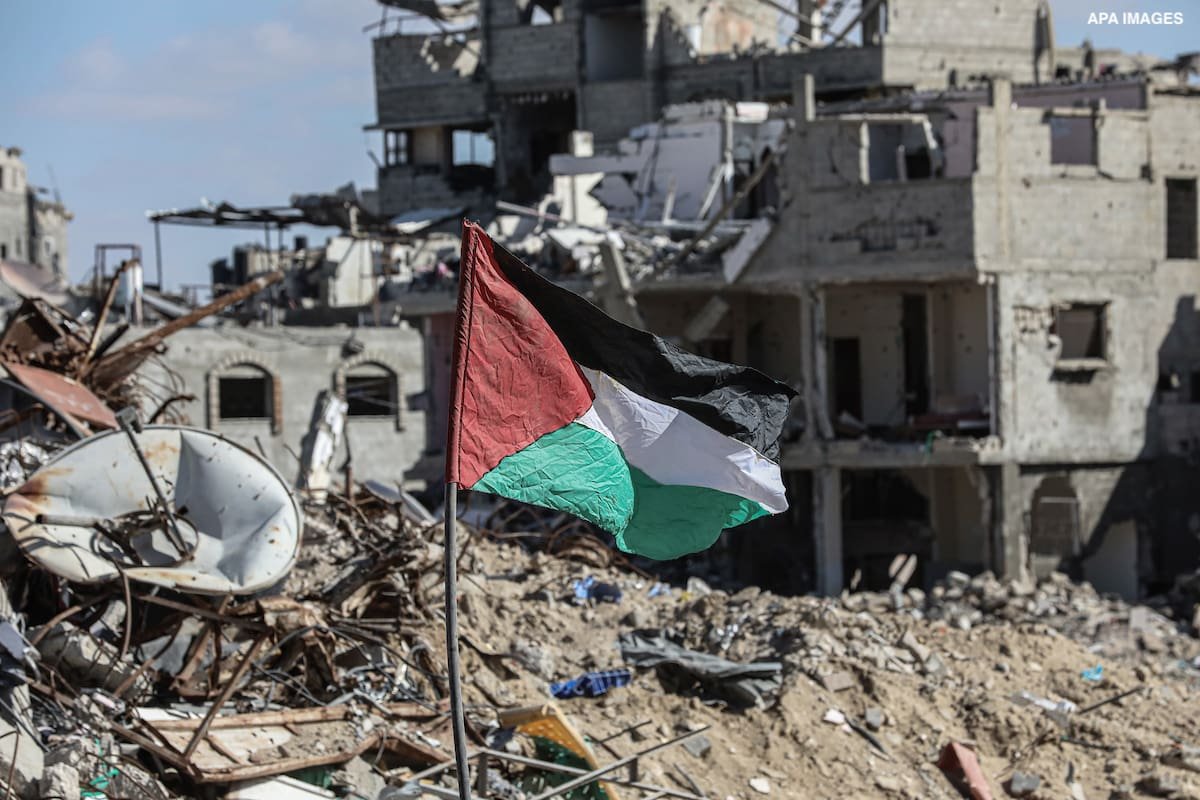

Ground Offensive in Gaza City
Israeli forces advanced deeper into Gaza City, deploying explosive-laden vehicles in Sheikh Radwan and demolishing several homes.
Residents fled as leaflets urged them to move south, warning the offensive would expand westward in coming days.
Civilian Desperation
Civilians described a night of horror, with drones overhead and continuous shelling forcing thousands to abandon homes.
Many residents expressed despair, torn between staying in danger or leaving toward uncertain refuge.
Rising Death Toll
Gaza’s health ministry reported 98 Palestinians killed in the past 24 hours by Israeli fire.
Nineteen others, including women and children, died in Israeli airstrikes targeting residential areas in Gaza City.
Additionally, nine people, among them three children, died from starvation, raising hunger-related deaths to 348.
Genocide Allegations
The International Association of Genocide Scholars declared Israel’s campaign meets legal criteria for genocide in Gaza.
Israel dismissed such claims, maintaining its military actions target Hamas and deny genocide allegations.
Israel’s Military Goals
Prime Minister Netanyahu convened his security cabinet to discuss capturing Gaza City, Hamas’s perceived stronghold.
Israel insists its campaign aims to dismantle Hamas and rescue the remaining 48 hostages after nearly two years of war.
Military officials cautioned that intensified operations could endanger hostages still held in Gaza.
War’s Human Cost
Since October 7, 2023, the conflict has killed more than 63,000 people in Gaza, mostly civilians.
The war began after Hamas’s attack killed 1,200 people in Israel and abducted 251 others.
Protests in Israel continue, demanding an end to war and urgent hostage release.
Also on TTI:
Strengthening Migration Governance
The launch aligns with international frameworks, including the 2030 Agenda for Sustainable Development and the Global Compact for Safe, Orderly, and Regular Migration (GCM). Both frameworks emphasize collective action, highlighting the urgent need to manage migration more effectively while safeguarding human rights.
Every year, hundreds of Pakistanis attempt dangerous journeys abroad through irregular routes in search of economic opportunities. Many face life-threatening risks and, in some cases, lose their lives. The establishment of the UNNM aims to address these challenges by fostering safe migration pathways and ensuring stronger protection mechanisms.
