
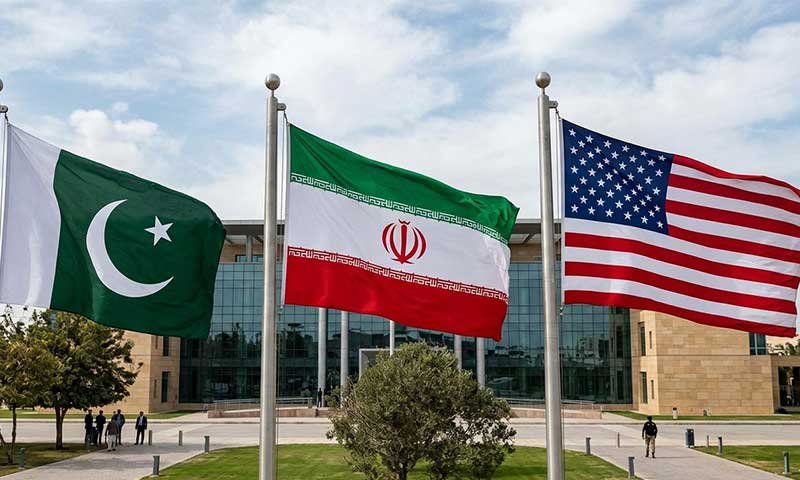

Pakistan has submitted a comprehensive plan to Iran and the United States aimed at ending hostilities and reopening the Strait of Hormuz. The initiative, dubbed the “Islamabad Accord,” could pave the way for a 45-day ceasefire, followed by a permanent settlement, sources familiar with the proposal confirmed on Monday.
Framework for Immediate Ceasefire and Long-Term Peace
The Pakistan-formulated plan outlines a two-tier approach. The first stage involves an immediate ceasefire, allowing humanitarian and shipping activities in the Gulf to resume. The second stage focuses on a broader regional settlement, including in-person negotiations in Islamabad to finalize agreements.
According to sources, Pakistan acted as the sole communication channel between Tehran and Washington. COAS Field Marshal Asim Munir reportedly remained in contact throughout the night with US Vice President JD Vance, Special Envoy Steve Witkoff, and Iranian Foreign Minister Abbas Araghchi to coordinate the plan.
The ceasefire proposal is designed to take effect immediately, reopening the Strait of Hormuz within hours. A broader settlement would then be finalized over the next 15 to 20 days, potentially including commitments from Iran not to pursue nuclear weapons, in exchange for sanctions relief and the release of frozen assets.
Iranian Response and Regional Concerns
Iranian officials have confirmed receiving Pakistan’s proposal but emphasized that they will not accept deadlines or temporary measures under pressure. Tehran has repeatedly stated that it seeks a permanent ceasefire with guarantees against future attacks by the US and Israel. The country continues to review proposals from mediators including Pakistan, Turkey, and Egypt.
Pakistani sources noted that despite intensive diplomatic outreach, Iran has yet to formally commit. Observers stress that a lack of agreement could escalate tensions further, affecting shipping and global oil markets due to the strategic importance of the Strait of Hormuz.
Global Implications and Urgency of the Accord
The renewed diplomatic push comes amid rising international concern over potential disruptions in oil supplies. US President Donald Trump has publicly urged a rapid resolution, warning of significant consequences if a ceasefire is not achieved soon.
The Islamabad Accord reflects Pakistan’s growing role as a regional mediator, striving to balance the demands of both sides while preventing escalation. If successful, the plan could stabilize the Gulf region temporarily and open channels for a long-term peace agreement between Iran and the United States.
As mediators continue discussions, the world watches closely. Any breakthrough could calm energy markets and reduce the risk of wider conflict in the Middle East.

