

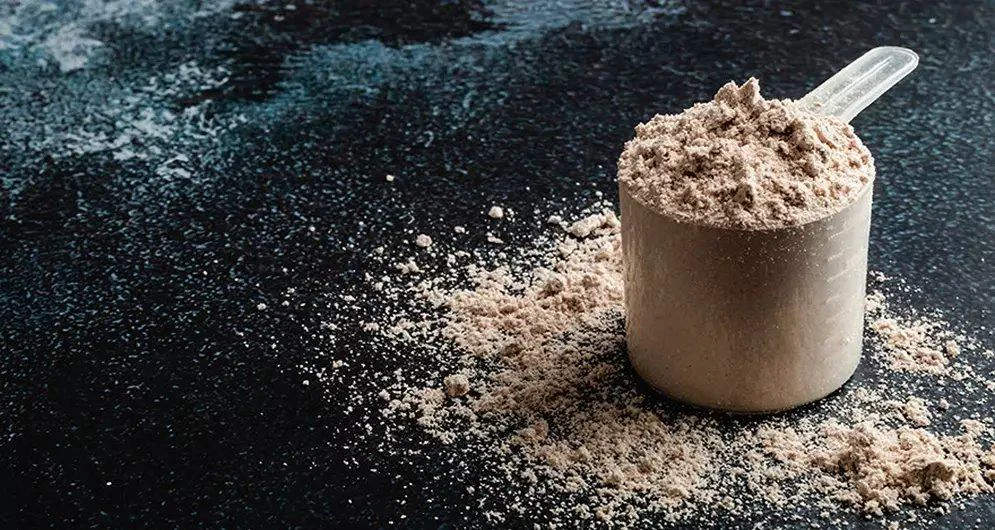

A new study by Consumer Reports has sparked concern among fitness enthusiasts and health-conscious consumers after finding that many popular protein powders, drinks, and shakes contain potentially dangerous levels of lead. The report tested 23 products and discovered that more than two-thirds exceeded the safe limit of 0.5 micrograms of lead per serving.
Plant-based protein powders were found to have the highest contamination levels, averaging 7.7 micrograms of lead per serving, compared to 6.3 micrograms in other varieties. Experts noted that some samples contained more than 10 times the acceptable daily limit, raising significant health concerns for regular consumers.
Although plant-based proteins are often marketed as healthier alternatives, researchers explained that lead can naturally occur in plant ingredients, especially those grown in contaminated soil. Despite manufacturers’ assurances of quality testing, the results suggest many products contain lead concentrations well above safety recommendations.
Experts cautioned that occasional consumption of these protein powders is unlikely to cause immediate harm but warned that prolonged use could be dangerous, especially for children and women of childbearing age.
Chronic lead exposure can impact brain development, kidney function, heart health, and reproductive systems, and may also weaken bones or cause lasting organ damage.
The report also noted that chocolate-flavoured protein powders may carry added risk due to cocoa’s naturally high lead content. Health experts advised consumers to meet their protein needs through natural food sources instead of supplements.
Whole foods such as eggs, milk, fish, and legumes provide safer, more balanced nutrition without the risk of heavy metal contamination. Experts especially recommend that children, pregnant women, and older adults avoid protein supplements altogether, stressing that lead exposure—even in trace amounts—can have cumulative and long-term health consequences.
