

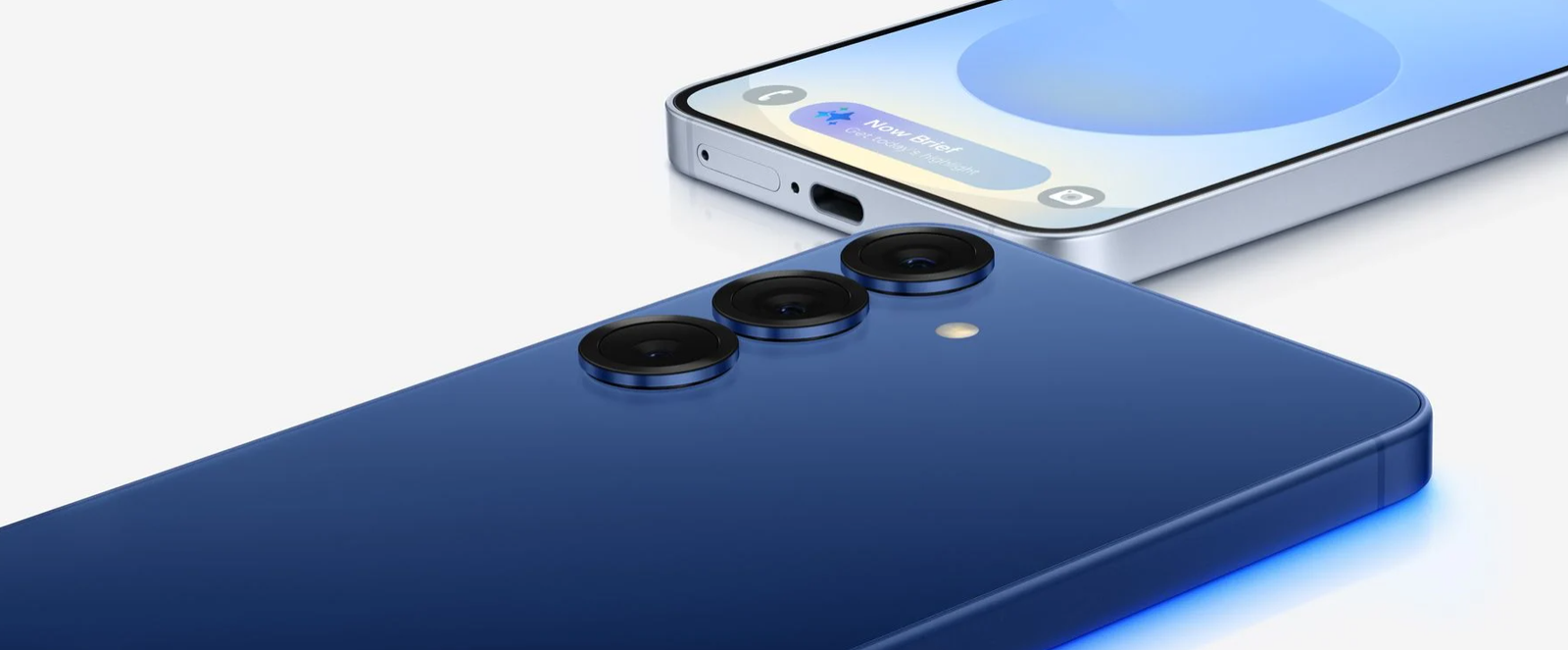

Samsung’s upcoming Galaxy S26 Ultra is facing unusual resistance well before its official unveiling. Early consumer sentiment suggests disappointment rather than excitement.
Many users already question whether the flagship can justify its premium status. As a result, speculation about a potential flop continues to gain momentum.
Moreover, leaked timelines indicate a notable shift in Samsung’s launch strategy. The Galaxy S26 Ultra is now expected to debut in February 2026. This marks a break from Samsung’s recent January release pattern. Such a delay has further fueled uncertainty among loyal customers.
Poll Results Signal Weak Consumer Interest
Recent online polling highlights a worrying trend for Samsung. More than half of respondents reported no interest in the rumored upgrades. This reaction reflects fatigue with incremental improvements. Consequently, enthusiasm for the Galaxy S26 Ultra appears muted.
Faster 60W charging failed to impress most voters. Likewise, the latest Snapdragon chipset generated limited excitement. Other additions, including magnetic charging and satellite features, received minimal attention. These results suggest Samsung’s upgrades may feel uninspiring to many buyers.
Expected Specifications Show Minimal Evolution
Leaks indicate the Galaxy S26 Ultra will feature a 6.9-inch AMOLED display. The screen reportedly supports Quad HD+ resolution and a 120Hz refresh rate. Performance may rely on the Snapdragon 8 Elite Gen 5 processor. Some regions could receive Samsung’s Exynos 2600 chip instead.
Memory options may reach up to 16GB RAM with 1TB storage. However, such specifications closely resemble the previous generation. This similarity weakens the incentive to upgrade. As a result, long-term Galaxy users appear unconvinced.
Camera and Battery Changes Fall Short
Camera hardware reportedly remains largely unchanged. The device may retain a 200MP main sensor. Supporting lenses include ultrawide and dual telephoto options. Therefore, photography improvements seem limited.
Battery capacity is expected to stay at 5,000mAh. Although charging speeds may increase, capacity remains unchanged. Competitors now offer significantly larger batteries. This comparison further challenges Samsung’s value proposition.
Pricing and Competition Add More Pressure
Leaked pricing suggests the Galaxy S26 Ultra may cost around $1,300. In some markets, prices could climb even higher. Such pricing demands meaningful innovation. However, current leaks fail to support that expectation.
Meanwhile, rival brands continue aggressive innovation. Several competitors now offer larger batteries and faster charging. Others introduce bold design changes and hardware leaps. Therefore, Samsung risks losing ground in the premium segment.
AI Fatigue and Upgrade Hesitation
Consumer hesitation also extends to Samsung’s AI-focused strategy. Many users now view smartphone AI features as overhyped. Only a small group considers AI a deciding purchase factor. This trend weakens Samsung’s software-driven upgrade narrative.
Additionally, extended software support reduces upgrade urgency. Many Galaxy S24 Ultra users already receive long-term updates. Therefore, fewer users feel pressure to replace their devices. This reality directly impacts potential S26 Ultra sales.
Flop or False Alarm?
Samsung has not officially confirmed details about the Galaxy S26 Ultra. Final specifications may still surprise critics. However, early sentiment presents a clear warning. Consumers now expect meaningful innovation at flagship prices.
If Samsung fails to deliver clear value, sales momentum could suffer. The coming months will prove critical for shaping public perception. Until then, doubts surrounding the Galaxy S26 Ultra continue to grow.
