
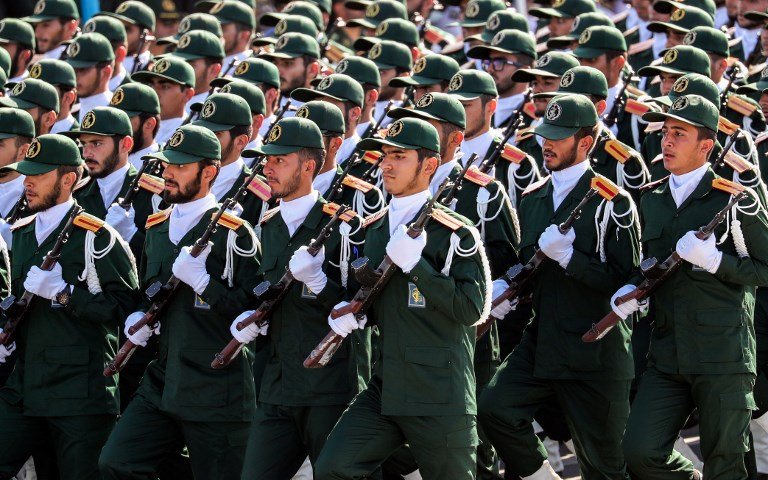

The Revolutionary Guards of Iran tightened their control over the wartime decision-making process even after losing senior commanders. The Guards are managing Iran’s hardline drone and missile attacks across the region.
Senior sources said the Guards anticipated strikes on their leadership and delegated authority down the chain of command before Saturday’s US-Israeli attacks. By empowering officers two to three ranks below top commanders, the force ensured operational continuity in the event of casualties. Deputy Defence Minister Reza Talaeinik confirmed that each commander designated successors to maintain resilience.
As a result, operations have continued even after leadership losses. However, analysts warn that decentralization could increase the risk of miscalculation, as mid-ranking officers now hold authority to launch attacks on neighboring states. On Wednesday, Iran fired missiles at Turkey, a NATO member, underscoring the broader regional stakes.
Political Influence Expands After Khamenei’s Death
Inside Iran, the Guards’ central role in governance and security has strengthened their position following the death of Ayatollah Ali Khamenei. Analysts said the appointment of the next supreme leader could further consolidate the Guards’ power, particularly if Mojtaba Khamenei, who maintains close ties with the force, assumes leadership.
Sources added that the Guards have participated in nearly every major decision since the conflict began. The decentralization model, developed over two decades after studying Iraq’s military collapse during the 2003 US-led invasion, allows commanders to defend provinces independently while preserving regime authority.
Founded after the 1979 revolution, the Islamic Revolutionary Guards Corps operates as a state-within-a-state. It combines military, intelligence and economic power, oversees parts of Iran’s nuclear program, backs regional proxies, and deploys the Basij paramilitary to suppress domestic unrest.

