


The health of Iran’s new Supreme Leader, Mojtaba Khamenei, has drawn international attention amid the ongoing regional conflict. Senior US officials claim the leader suffered injuries during recent military strikes. They also questioned whether he can effectively govern under current conditions.
According to the remarks, the Iranian leader may have been wounded and possibly disfigured. These claims surfaced after nearly two weeks of intense military operations targeting Iran.
However, no recent images or videos of Khamenei have appeared since the beginning of the conflict. This absence has fueled speculation about his health and public visibility.
Written Statement Raises Further Questions
Khamenei’s first public message after the attacks appeared in a written statement. A television presenter read the message during a broadcast. However, the leader did not appear on camera or release a voice recording.
The statement focused on Iran’s position during the ongoing conflict. It also reaffirmed Iran’s commitment to strong resistance against its adversaries.
In the message, Khamenei declared that the Strait of Hormuz would remain closed. He also urged neighboring countries to shut down US military bases within their territories. The statement warned that Iran could target those bases if they remained operational.
US Response Highlights Escalating Conflict
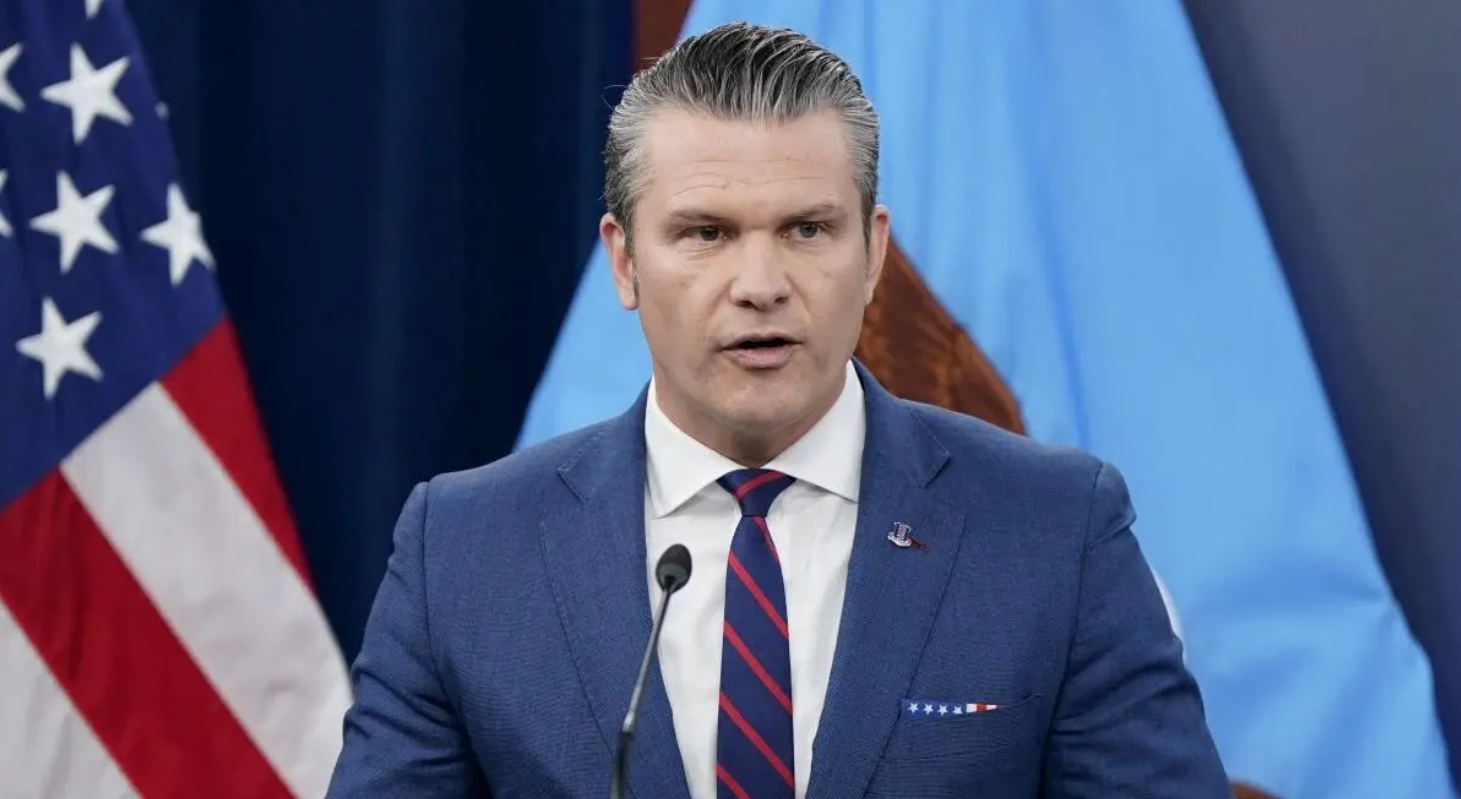
During a military briefing, US Defence Secretary Pete Hegseth questioned the absence of visual confirmation from the Iranian leader. He suggested the lack of video or audio messages raised doubts about Khamenei’s condition.
Hegseth argued that Iran possesses extensive media resources. Therefore, he questioned why the message appeared only in written form.
He also criticized the statement, calling it weak and unconvincing. According to him, the circumstances surrounding the message raise questions about leadership stability.
At the same briefing, Dan Caine, chairman of the Joint Chiefs of Staff, joined discussions about ongoing military operations. Both officials emphasized continued efforts to target Iran’s missile, drone, and naval capabilities.
Iranian Officials Describe Injuries as Minor
Meanwhile, Iranian sources presented a different version of events. An Iranian official stated that the new Supreme Leader suffered only minor injuries. According to that account, Khamenei continues to oversee national affairs despite the attacks.
State television also described him as wounded during wartime conditions. However, authorities did not release further details about the extent of his injuries. This lack of verified information has contributed to growing speculation internationally.
Intensifying Military Operations in the Region
The conflict has intensified significantly since late February. Military operations have targeted thousands of sites inside Iran.
US officials say strikes focused on missile systems, drones, and naval infrastructure. These actions aim to weaken Iran’s military capabilities during the ongoing confrontation.
Meanwhile, tensions continue to spread across the region. Reports indicate Iranian drones have entered airspace near several Gulf countries. Security forces remain on high alert as regional governments monitor the situation closely.
Rising Casualties and Regional Concerns
The war has caused significant casualties and destruction in recent weeks. Thousands of people have reportedly died during the ongoing bombardment.
Military incidents have also affected US forces operating in the region. A recent aircraft accident in western Iraq killed several American service members.
Officials said the crash involved another aircraft but did not result from hostile fire. Nevertheless, the tragedy highlights the dangers surrounding ongoing military operations.
Global Attention on Iran’s Leadership and War
International observers continue to monitor developments closely. The health and leadership capacity of Iran’s new Supreme Leader remain major concerns.
At the same time, diplomatic tensions and military operations continue across the region. Therefore, the conflict’s next phase may depend on both political decisions and battlefield developments.
As uncertainty persists, global attention remains focused on Iran’s leadership and the broader regional crisis.
