

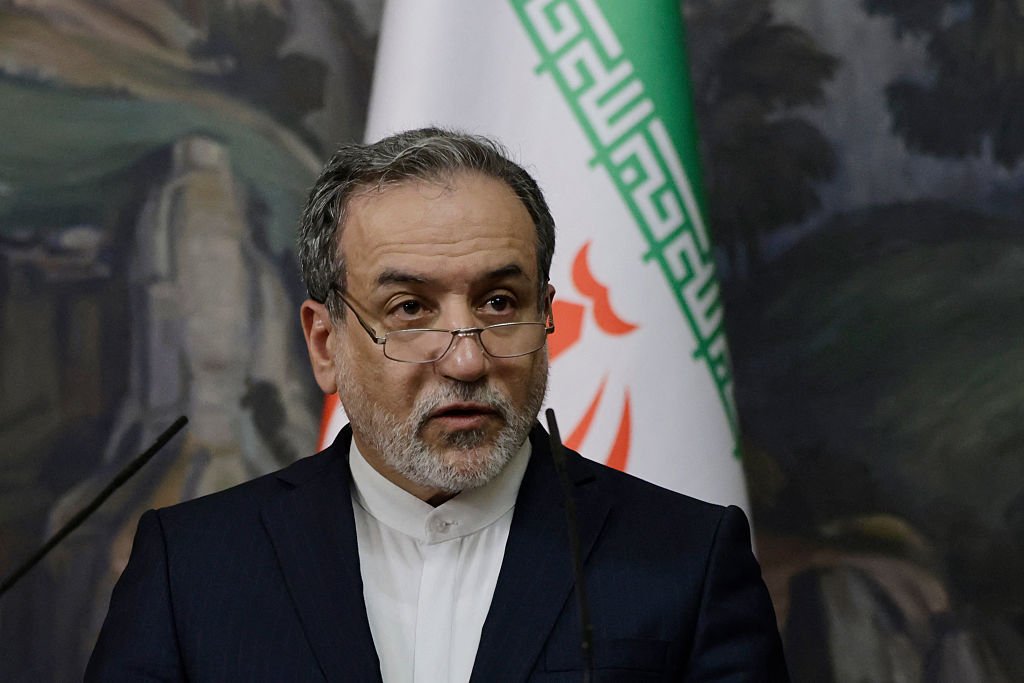

ISLAMABAD: Iranian Foreign Minister Abbas Araghchi is scheduled to visit India on Thursday, according to the Iranian embassy in New Delhi. The visit comes shortly after his trip to Pakistan, where he held high-level discussions with top government officials amid heightened tensions between India and Pakistan following a deadly attack in Indian-administered Kashmir.
During his recent call with Pakistani Foreign Minister Ishaq Dar, Araghchi expressed Iran’s willingness to mediate between the two nuclear-armed neighbors. “Iran is ready to offer its good offices to help reduce tensions,” he said, reaffirming Tehran’s intent to play a constructive role in de-escalating the situation.
While in Islamabad on Monday, Araghchi emphasized that Iran remained committed to regional stability and peaceful conflict resolution. His visit marks the first by a senior foreign diplomat to both India and Pakistan following the April 22 attack that left 26 people dead. India has accused Pakistan of supporting the militants responsible, a claim Islamabad has firmly denied. Since then, both countries have engaged in cross-border shelling along the Line of Control in Kashmir.
Despite geopolitical complexities, India and Iran maintain relatively warm bilateral relations. However, New Delhi has also expanded security cooperation with Washington—Tehran’s key rival. Notably, India and Iran signed a deal last year to advance the long-delayed Chabahar Port project. The agreement prompted a warning from the U.S., which cautioned that Indian companies involved could face sanctions.
Meanwhile, during his Pakistan visit, Araghchi also met with Pakistan’s Chief of Army Staff, General Syed Asim Munir. According to the Inter-Services Public Relations (ISPR), their talks focused on regional security challenges and strengthening border security cooperation. The two sides reviewed ongoing efforts to enhance coordination along the Pak-Iran border.
General Munir emphasized the deep-rooted cultural, religious, and historical ties between the two countries, calling Iran a “brotherly neighbor.” Both sides pledged to maintain dialogue and support efforts to foster stability and collaboration in the region.
