

LONDON: Iran’s decision to close the Strait of Hormuz has sharply increased shipping costs for fuel and goods worldwide, according to industry reports.
Ships are avoiding the dangerous route, which has reduced capacity and forced many vessels to take longer, more expensive detours. At the same time, reduced oil flows have pushed up the price of ship fuel. Insurance costs and storage charges have also risen.
Five Key Indicators Showing Rising Costs
1. Tanker Charter Rates Soar: The cost of hiring oil tankers has multiplied since US and Israeli strikes on Iran began on February 28. For a large Suezmax crude carrier, daily earnings have more than tripled to over $330,000 since late February. Liquefied natural gas carriers on the US-to-Japan route have also seen their rates triple to $90,000 per day.
2. Oil Shipping Costs Jump: Shipping one metric tonne of crude from the Gulf to China on a giant VLCC tanker jumped from $46 at the end of February to nearly $64 by late March.
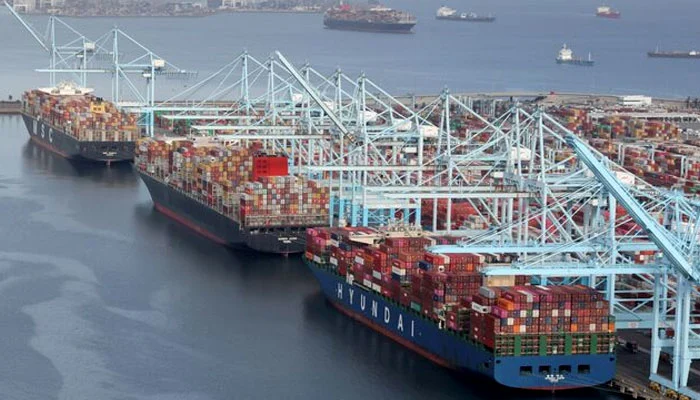
3. Container Shipping Rates Increase:Spot prices for shipping a 40-foot container have gone up by 20 to 25 percent on major routes from the Far East to Europe and the US West Coast. Rates now range between $2,200 and $2,700 for the Europe route. War surcharges have caused rates to the Middle East and Red Sea to spike by nearly 200 percent in one month.
4. Ship Fuel Prices Nearly Double: The cost of bunker fuel that powers ships has almost doubled since the war started. It peaked at $1,053 per metric tonne on March 20 and stood at over $936 on March 31 — up from around $540 before the conflict.
5. Ships Left Idle: Several shipping companies have suspended services in the Gulf. Hapag-Lloyd alone has six ships that cannot be used, which further reduces available capacity and drives up costs for everyone.

