

Nationwide Mobilisation to Protect Energy Infrastructure
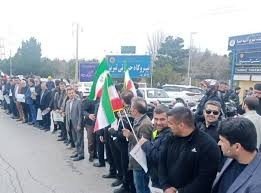
Citizens across Iran formed human chains around power plants on Tuesday. The move followed strong warnings from Donald Trump about possible strikes on energy infrastructure.
State media reported that millions of people responded to nationwide calls. Campaigns were launched through social media and SMS messages. Officials claimed that more than 14 million citizens registered to participate. However, independent verification of this number remains unclear.
Images released by Islamic Republic News Agency showed groups gathering at key locations. In the southern city of Bushehr, people formed lines near a nuclear power facility. Similar scenes were reported in other cities.
In Tabriz, dozens gathered outside a major power station. Crowds were also seen in Mashhad and Ahvaz. These gatherings aimed to show public support for protecting national infrastructure.
Leadership Signals Readiness for Sacrifice
Top Iranian officials also joined the campaign. Mohammad Bagher Ghalibaf publicly declared his participation. He shared what appeared to be a registration system for volunteers.
Ghalibaf stated that he was ready to sacrifice his life for the country. His message reflected the growing intensity of the situation. The term “janfada,” meaning self-sacrifice, quickly became a trending topic on social media.
President Masoud Pezeshkian also expressed strong support. He said millions of Iranians were ready to defend their nation. His statement emphasized unity during a time of crisis.
These declarations highlight the seriousness of the conflict. Officials are encouraging public participation to show national resilience.
Escalation Risks Grow Amid Ongoing Conflict
The human chains come during an ongoing conflict involving United States and Israel. The war has already lasted more than five weeks. It has resulted in heavy losses, including key figures in Iran’s leadership.
Strikes have targeted infrastructure such as bridges and transport routes. Any direct attack on power plants would mark a major escalation. Experts warn that such actions could disrupt essential services.
The situation intensified after Donald Trump issued a strong warning. He said “a whole civilization will die” if Iran failed to meet a deadline related to the Strait of Hormuz. This statement increased fears of further conflict.
Public gatherings around energy sites show rising concern among citizens. People are attempting to protect critical infrastructure through symbolic action.
The global community is closely monitoring developments. The risk of wider regional instability remains high. Analysts warn that continued escalation could impact energy supplies and global markets.
Iran’s response reflects both defiance and concern. The human chains highlight public engagement during wartime. They also signal the importance of energy infrastructure in the conflict.
As tensions continue to rise, diplomatic solutions appear limited. The coming days may prove critical for regional stability.

