

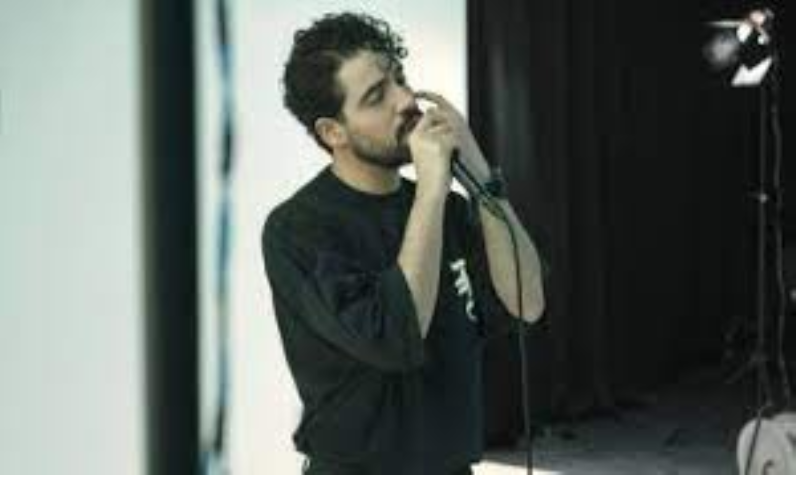

The recent sentencing of Grammy Award-winning Iranian singer Shervin Hajipour to at least three years in prison sheds light on the challenging landscape faced by artists and activists expressing dissent in Iran. Accused of “inciting unrest against national security” and “spreading propaganda against the regime,” Hajipour’s case exemplifies the Iranian government’s crackdown on those who challenge established norms.
Hajipour rose to prominence with his song “Baraye,” which became an anthem during nationwide protests triggered by the death in custody of Mahsa Amini in September 2022. Amini, a 22-year-old Iranian Kurd, had been arrested for allegedly violating the strict dress code imposed by the Islamic Republic. The protests that followed her death resulted in months-long unrest, leading to hundreds of casualties and thousands of arrests.
Hajipour’s activism through music caught international attention, and his song was even played at a White House celebration in March 2023, marking Nowruz, the Persian New Year. He was subsequently awarded a special Grammy for best song for social change by US First Lady Jill Biden, who praised the tune as a “powerful and poetic call for freedom and women’s rights.”
The charges brought against Hajipour – incitement to riot and spreading propaganda against the regime – are commonly employed by Iranian authorities to suppress dissent. The singer revealed on his Instagram page that he had been sentenced to three years in prison for these charges, along with an additional eight-month sentence for propaganda against the regime. According to Iranian law, jail sentences run concurrently, meaning Hajipour is set to serve three years behind bars.
This case echoes a broader pattern in Iran, where artists and activists find themselves at odds with a government that tightly controls freedom of expression. Another pop singer, Mehdi Yerrahi, faced a one-year prison sentence for criticizing the mandatory headscarf for women. Yerrahi’s sentence was later changed to home confinement due to health issues.
The international community often expresses concern about the human rights situation in Iran, emphasizing the need for freedom of expression and protection of individuals like Hajipour, who use their art to advocate for change. The global recognition and support he received underscore the importance of upholding these fundamental rights on the international stage.
