

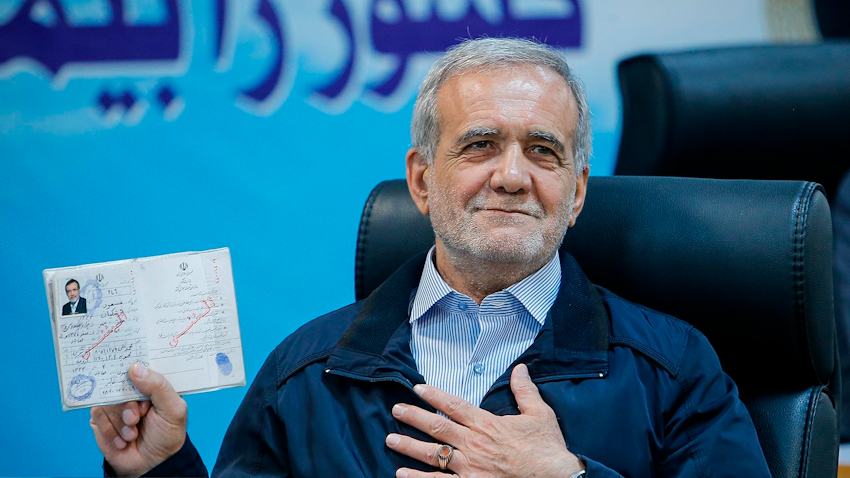

Iranian President Masoud Pezeshkian has directed officials to begin nuclear negotiations with the United States, according to local media. The discussions will focus solely on the nuclear program. Authorities have not set a date for the first round of talks.
Foreign ministry spokesperson Esmaeil Baqaei said the government is preparing a clear structure for the discussions. He explained that officials are reviewing each stage of the process carefully and hope to finalize the framework soon. Baqaei did not provide specific details about the negotiation topics.
In addition, Iran has been sending messages through regional intermediaries to coordinate with Washington. Newspapers across Iran have reported on the preparations, indicating that the government is taking a systematic approach to start diplomacy.
US Pressure and Regional Engagement
The announcement comes amid increased tensions with Washington. Former US President Donald Trump warned that time is short for a nuclear agreement and deployed a naval group to the Middle East. However, he also expressed hope that both sides could reach a deal.
Iran has emphasized that it seeks diplomacy but will respond decisively to any aggression. Baqaei stressed that Tehran will not accept ultimatums and has not received confirmed threats from the United States.
Regional powers have also intervened to encourage talks. Iranian Foreign Minister Abbas Araghchi visited Turkey last week and met with officials from Egypt, Saudi Arabia, and Turkey. He told CNN that Iran agrees on keeping nuclear weapons out of the country. He added that Iran expects sanctions relief in return and believes a practical agreement is possible.
Baqaei highlighted that regional concern about conflict has prompted countries to support diplomacy. Iranian Supreme Leader Ayatollah Ali Khamenei warned that a US attack could escalate into a regional war, showing the stakes remain high.
Domestic Challenges and International Context
The talks occur alongside unrest in Iran. Authorities have called the protests in early January riots and claimed foreign actors influenced them. They linked the unrest to economic difficulties and attempts to destabilize the country.
Iranian officials confirmed that thousands died during the protests. The presidency released the names of nearly 3,000 people who were killed. Authorities stated that most victims were either security personnel or innocent civilians. They blamed violent acts on extremist groups and foreign interference.
The government has also summoned foreign diplomats to reaffirm Iran’s security and diplomatic positions. Meanwhile, Tehran continues discussions with regional partners to maintain channels with Washington. Officials hope that careful diplomacy can prevent escalation and protect national interests
