
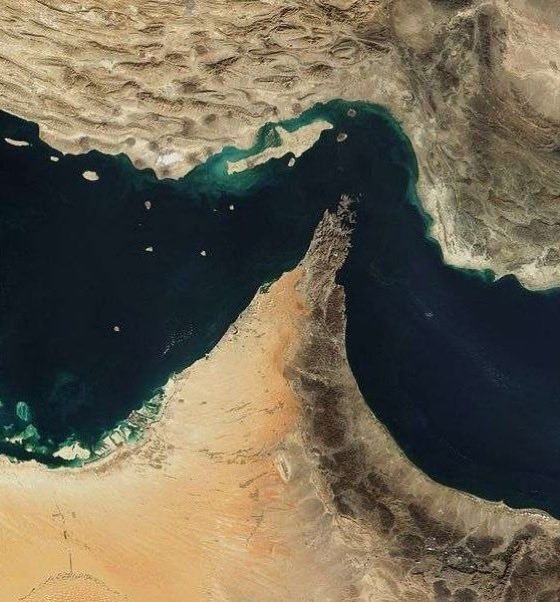

Tehran — Iranian lawmakers have proposed a comprehensive plan to assert greater control over transit through the Strait of Hormuz, signaling a significant shift in maritime policy amid ongoing regional tensions. The proposal outlines new regulatory, security, and economic measures aimed at reinforcing national sovereignty over the critical shipping route.
According to the draft, authorities will establish a central headquarters led by the Secretary of the Supreme National Security Council. The body will include representatives from key ministries, the armed forces, judiciary, and parliament, and will oversee policy coordination, enforcement mechanisms, and toll regulations. It will also submit biannual reports to the country’s top leadership.
Restrictions Target Specific Countries and Vessels
Meanwhile, the plan introduces strict transit restrictions. Vessels linked directly or indirectly to Israel would face a complete ban from passing through the strait. In addition, countries deemed hostile to Iran across political, economic, or military domains could also be denied access.
Furthermore, the proposal targets states accused of manipulating global oil markets against Iran’s interests. Lawmakers aim to deter such actions by restricting maritime transit privileges.
Reciprocal Measures and Financial Policies Introduced
In addition, the draft includes a reciprocal seizure mechanism. Iranian forces would be authorized to detain equivalent foreign vessels if Iranian ships are seized abroad.
Moreover, the plan prioritizes payments for maritime services in Iranian rials and Chinese yuan, offering incentives for non-dollar transactions. Authorities also propose mandatory use of the term “Persian Gulf” in shipping documentation, with non-compliance resulting in transit denial.
Consequently, the initiative reflects Iran’s broader strategy to strengthen economic leverage and security control over a vital global energy corridor.

