
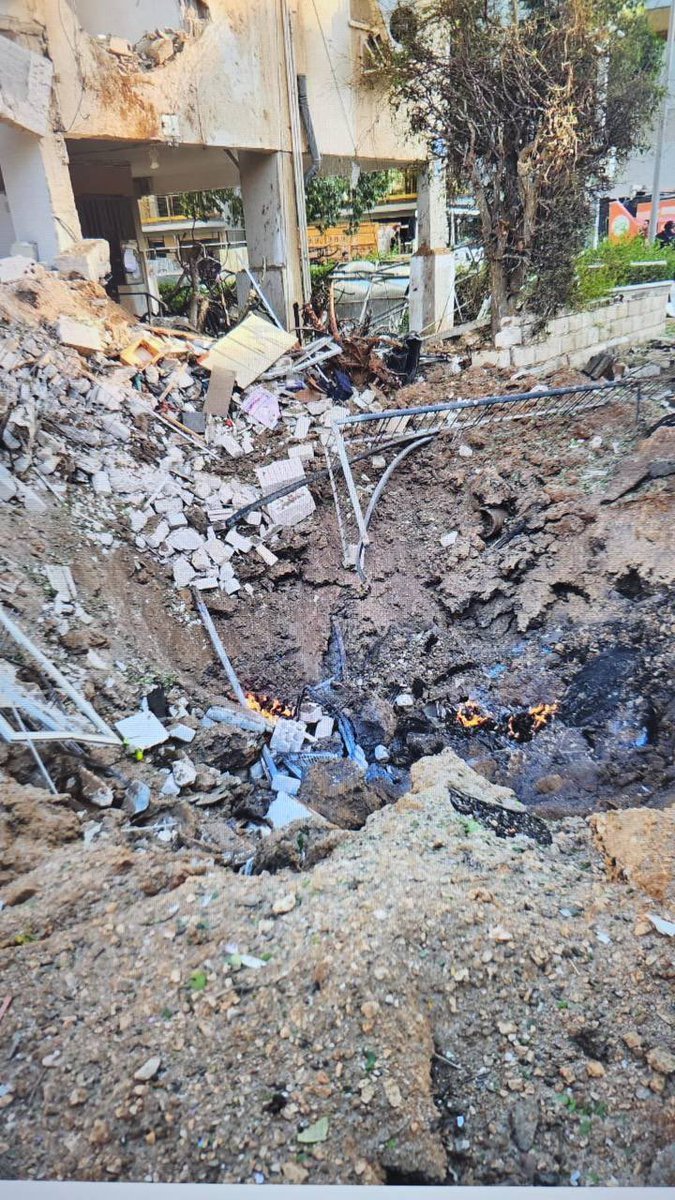

Iranian missiles were intercepted over Jerusalem and the occupied West Bank just hours after US President Donald Trump agreed to a two-week ceasefire with Iran, raising immediate doubts about the truce’s durability.
Israeli media reported that officials had anticipated further attacks despite the ceasefire announcement, with expectations that hostilities could continue until the Strait of Hormuz is fully reopened and regional tensions ease.
Air defence systems intercepted the incoming projectiles overnight, while sirens sounded across several areas. No immediate casualty figures were released following the interceptions.
Ceasefire Faces Early Test
The missile launches marked one of the first major challenges to the newly announced ceasefire and underscored the fragility of efforts to halt fighting between Iran and its adversaries.
Although Trump had presented the agreement as a breakthrough toward de-escalation, continued attacks suggested that military operations on the ground may not stop immediately.
Israeli officials have not indicated that the interceptions altered their military posture, and defence forces remained on high alert across multiple fronts.
Hormuz Linked to Ongoing Escalation
Israeli media said security officials expected Iranian-linked attacks to continue until navigation through the Strait of Hormuz resumes normally, reflecting broader strategic concerns beyond the ceasefire itself.
The vital shipping corridor has faced disruptions throughout the conflict, rattling global energy markets and prompting fears of prolonged economic fallout.
Meanwhile, analysts warned that ceasefire enforcement remains uncertain given the complexity of regional military dynamics and the number of actors involved in the confrontation.
The latest developments indicate that while diplomatic announcements may have paused some hostilities on paper, realities on the battlefield continue to threaten broader de-escalation efforts.

