

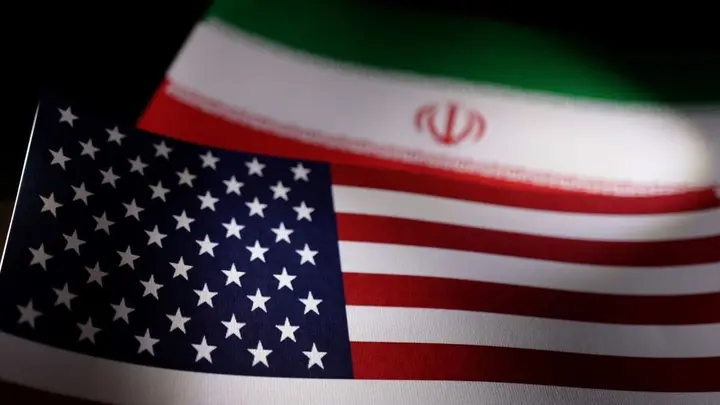

Tensions between Iran, the United States, and Israel have escalated once again after US President Donald Trump threatened military action against Tehran. The warning comes amid claims that Iran may rebuild its nuclear programme or missile capabilities, prompting a strong reaction from Iranian officials.
Trump Threatens Strikes, Targets Both Nuclear and Missile Programs
During a meeting with Israeli Prime Minister Benjamin Netanyahu at his Florida estate, Trump warned that the US would act immediately if Iran continued developing nuclear or missile capabilities. Standing alongside Netanyahu, Trump stated, “Now I hear that Iran is trying to build up again, and if they are, we’re going to have to knock them down. We’ll knock the hell out of them.”
For the first time, the US indicated it would target Iran’s missile program, long considered a major concern for Israel. Previously, American focus remained largely on Iran’s nuclear activities. Israeli officials recently voiced concern over reports suggesting Iran is quietly replenishing its ballistic missile stockpile, significantly damaged during the June conflict.
Trump emphasized his support for strikes not only on Iran’s nuclear facilities but also on missile installations if Tehran proceeds with long-range weapons development.
Iran Promises Harsh Retaliation
Responding to the US statements, Iranian Parliament member Masoud Pezeshkian warned that Tehran would respond in a “severe and regret-inducing” manner to any aggression. Posting on X, Pezeshkian framed the current standoff as a “full-scale war” involving the US, Israel, and Europe. He compared it to Iran’s bloody eight-year conflict with Iraq in the 1980s, which claimed over a million lives, but stressed that the current situation is “more complicated and more difficult.”
Iran has repeatedly maintained that its nuclear activities are for civilian purposes only. Both US intelligence and the UN nuclear watchdog have reported no evidence of atomic weapons production before the June attacks. Tehran has also ruled out negotiations over its missile program, signaling defiance against both Washington and Jerusalem.
June Conflict’s Aftermath and Military Preparedness
The June 12-day conflict saw Israel conduct nearly 360 strikes across 27 Iranian provinces, targeting military bases, nuclear facilities, and government buildings. The assault reportedly destroyed around 1,000 ballistic missiles and killed more than 30 senior commanders and at least 11 nuclear scientists. Iran responded by launching over 500 missiles at Israel, with around 36 hitting populated areas.
Despite heavy losses, Iranian officials claim the country is now better prepared for future confrontations. Pezeshkian stated that Iran’s forces are “stronger in terms of equipment and manpower” than before the ceasefire. Analysts, however, dispute US claims that Iran’s nuclear capabilities were “completely obliterated,” suggesting Tehran may have hidden stockpiles of enriched uranium capable of restarting production within months.
The June war failed to ignite the internal unrest that Israeli leaders had reportedly anticipated. Life in Tehran continued largely unaffected, and no significant protests materialized, demonstrating the resilience of Iran’s population and political structure.
With renewed threats and warnings from both sides, the region remains on edge as the potential for escalation looms large.
