
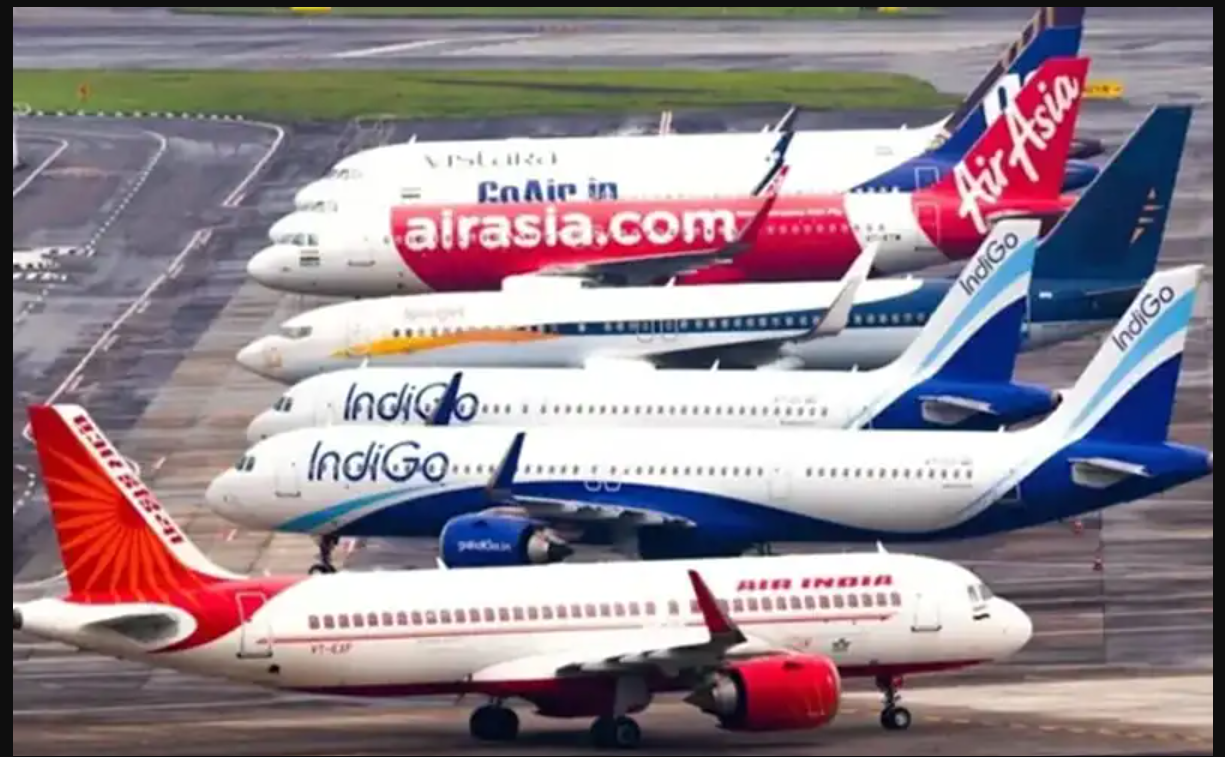

Indian airlines are facing growing operational pressure as the Middle East conflict disrupts major international flight routes. The crisis has forced airlines to reschedule flights and adopt longer routes. However, existing restrictions have left carriers with limited alternatives.
The situation has become more complicated because Indian airlines remain banned from Pakistan’s airspace. As a result, carriers cannot use one of the shortest and most efficient flight corridors. Consequently, airlines now face a double operational burden.
The Middle East serves as a critical transit corridor for flights connecting India with Europe and North America. Therefore, regional instability has directly affected airline schedules and profitability.
Flight Cancellations and Route Disruptions Increase
Recent aviation data shows significant disruptions to scheduled international flights. Indian carriers operated far fewer flights to the Middle East, Europe, and North America during the past ten days.
Airlines had to cancel or reschedule many services due to safety concerns and restricted airspace access. Industry experts describe the situation as a major setback for international operations.
Because airlines cannot fly over Pakistan, rerouting options remain limited. Consequently, airlines must rely on longer and more complex flight paths.
Longer Routes Lead to Higher Fuel Consumption
Air India and IndiGo have increasingly adopted alternative routes to maintain connectivity. However, these adjustments have extended flight durations considerably.
Some flights now travel through African airspace, adding up to two extra hours to journeys. Longer routes require additional fuel, which raises operational costs significantly.
Moreover, rising oil prices during the conflict have further increased aviation expenses. Airlines must now manage higher fuel bills alongside scheduling disruptions.
Aircraft Leasing Rules Add Complications
IndiGo faces additional challenges due to aircraft leasing arrangements. Several long-range aircraft used for European routes remain registered under foreign aviation authorities.
Because of safety advisories, these aircraft must avoid multiple Middle Eastern airspaces. This restriction forces airlines to redesign routes more frequently.
In one case, a flight returning from Europe had to turn back after airspace clearance issues emerged mid-journey. Another flight diverted to an alternate airport after facing similar restrictions.
Such incidents highlight how geopolitical tensions can quickly affect aviation operations.
Competition Advantage Shifts to Global Rivals
Extended travel times have also changed competitive dynamics on long-haul routes. Airlines forced to take longer paths now struggle to match competitors using shorter corridors.
For example, flights that previously operated nonstop must now include stopovers. This change increases travel time and reduces convenience for passengers.
Meanwhile, some international airlines continue operating shorter routes, giving them a competitive advantage. As a result, Indian carriers risk losing market share on key international routes.
Financial Pressure Continues to Mount
The combined impact of airspace bans and regional conflict has increased financial strain on airlines. Analysts warn that prolonged disruptions could significantly affect profitability.
Flight cancellations alone may reduce annual earnings projections. Additionally, extended routes increase fuel consumption and operational costs.
Airlines are attempting to offset disruptions by adding extra flights where possible. However, longer journey times still limit operational efficiency.
Aviation Industry Faces Uncertain Outlook
The aviation sector remains highly sensitive to geopolitical developments. Therefore, ongoing tensions in the Middle East continue to create uncertainty for airlines.
Indian carriers must now balance safety requirements, rising fuel costs, and restricted airspace access. These challenges may persist if regional instability continues.
For now, airlines are adapting through route adjustments and operational planning. Nevertheless, the situation demonstrates how global conflicts can quickly reshape international aviation networks.

