
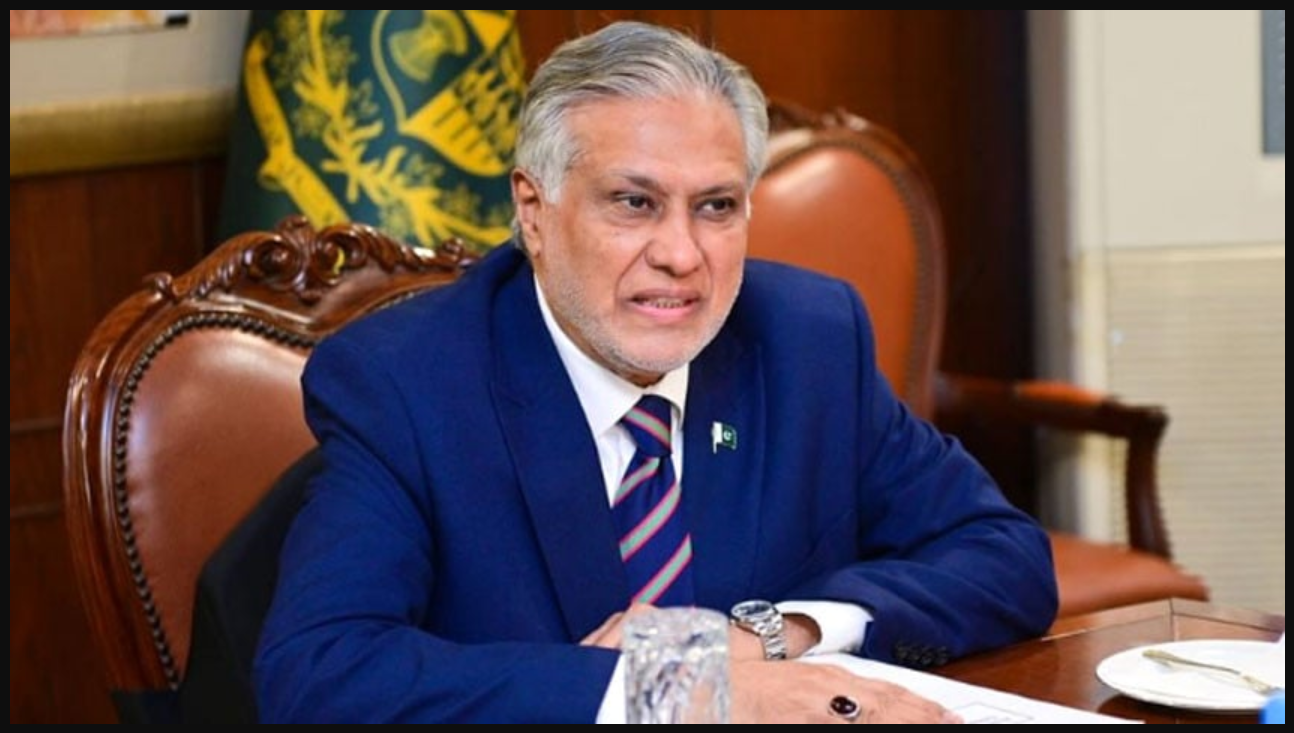

Deputy Prime Minister and Foreign Minister Senator Ishaq Dar announced that Iran has agreed to allow 20 more Pakistani-flagged ships to pass through the Strait of Hormuz. He confirmed that two ships will transit the strait daily.
Dar described the move as a “constructive and welcome gesture” that promotes peace and stability in the region. He emphasized that such steps strengthen collective efforts toward lasting regional security.
In his statement, Dar highlighted the importance of dialogue and diplomacy. He noted that confidence-building measures like this one provide a meaningful path toward regional harmony and cooperation.
Telephonic Talks With Iranian Foreign Minister
On Saturday, Senator Dar held a telephonic conversation with Iranian Foreign Minister Abbas Araghchi. The two leaders discussed ongoing developments in the region and the evolving security situation.
During the call, Dar stressed the critical need for de-escalation. He reiterated that dialogue and diplomatic engagement remain the only viable solution for long-term peace.
Both leaders underscored the importance of ending all attacks and hostilities. Dar reaffirmed Pakistan’s commitment to supporting regional efforts aimed at restoring stability and security.
Significance of the Strait of Hormuz Agreement
The Strait of Hormuz is a vital international waterway. It connects the Persian Gulf with the Gulf of Oman and serves as a key transit route for energy shipments.
By allowing 20 more Pakistani-flagged vessels to pass, Iran is facilitating trade and strengthening maritime cooperation. This agreement may also reduce transit delays and improve Pakistan’s access to global markets.
Experts suggest that such measures can act as a confidence-building tool. They contribute to a more predictable security environment while fostering positive diplomatic engagement between neighboring countries.
Regional Implications and Peace Prospects
The announcement is seen as a step toward broader regional stability. It may ease tensions in maritime zones and encourage similar cooperation among Gulf countries.
Dar’s remarks reflect Pakistan’s broader commitment to promoting peace. By advocating dialogue and diplomatic measures, Pakistan positions itself as a constructive actor in the region.
Observers note that small but meaningful measures, such as maritime access agreements, can help build trust among nations. Such confidence-building actions may pave the way for larger agreements on security, trade, and energy cooperation.
Pakistan’s Commitment to Regional Stability
Senator Dar emphasized that Pakistan will continue supporting initiatives aimed at de-escalation. He reaffirmed that ending hostilities is crucial for sustainable peace.
Furthermore, Pakistan encourages all regional actors to pursue diplomacy and constructive engagement. By maintaining open channels of communication, countries can prevent misunderstandings from escalating into conflict.
The Strait of Hormuz agreement illustrates how cooperative measures can yield tangible benefits. It provides not only economic advantages but also a platform for strengthening trust and mutual understanding.
Looking Ahead
With two Pakistani ships set to cross daily, monitoring the agreement’s implementation will be crucial. Analysts expect that such moves can inspire confidence in the maritime sector while promoting broader regional stability.
In conclusion, Iran’s decision represents a significant milestone for Pakistan. It underscores the importance of dialogue, trust-building, and diplomacy in resolving regional challenges.
By taking proactive steps, Pakistan continues to play a constructive role in fostering peace, security, and cooperation in the Middle East.

