
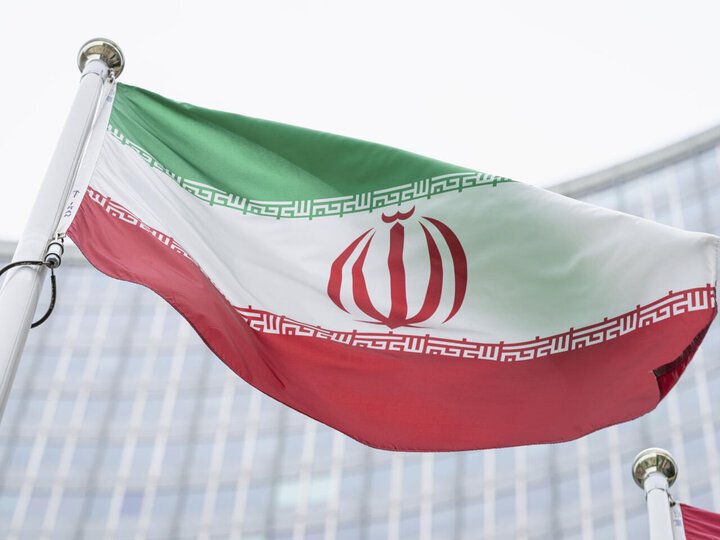

Iranian forces shot down 10 more advanced drones on February 28, 2026, raising the total number intercepted to 22 since the latest escalation began. Military officials said most of the drones were Hermes models allegedly linked to operations by Israel and the United States. The interceptions followed major US-Israeli strikes that reportedly killed Supreme Leader Ayatollah Ali Khamenei and targeted key military facilities across Iran. In response, Tehran has intensified its rhetoric and warned of forceful retaliation.
Air defense gains boost retaliation warnings
Iranian commanders said the latest shoot-downs highlight the growing effectiveness of the country’s air defense network despite sustained pressure. They emphasized that Iran has not yet deployed its most advanced missile systems and strategic weapons.
Moreover, officials warned that Washington and Tel Aviv would soon face what they described as a “heavy price.” Leaders framed the confrontation as an existential struggle, firmly rejecting any suggestion of retreat or compromise. They insisted the country would defend its sovereignty and national dignity under all circumstances.
Meanwhile, explosions continued to shake parts of Tehran as Israeli air operations reportedly targeted additional sites. Iran responded with ballistic missile launches toward Israeli territory and US-linked regional positions, according to official statements.
War rhetoric hardens as uncertainty persists
Following Khamenei’s reported death, a leadership council assumed authority, declared 40 days of national mourning, and called for sustained resistance. At the same time, diplomats quietly explored indirect contacts through neutral intermediaries, although public messaging remained uncompromising.
Observers say the confrontation differs from earlier shadow conflicts because both sides now appear openly engaged. The international community has urged restraint, warning that continued escalation could trigger wider regional instability.

