
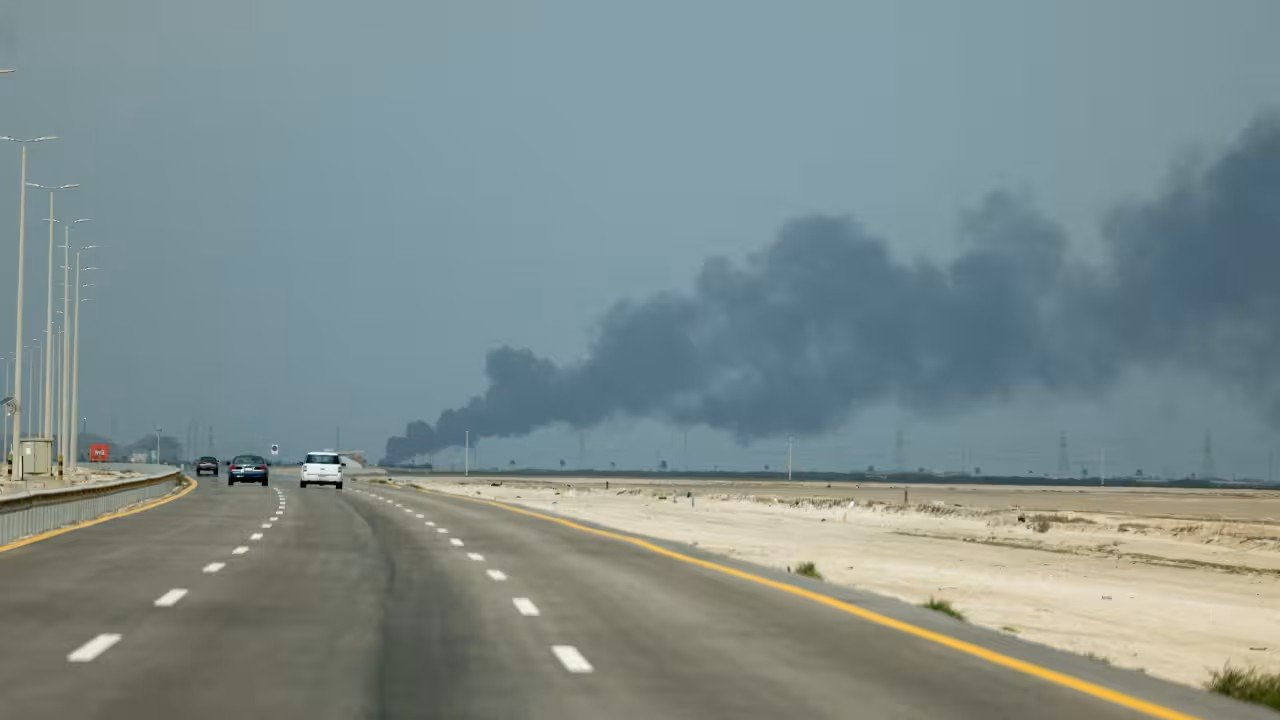

A fresh escalation has raised concerns in global energy markets. Iran reportedly struck Saudi Arabia’s key oil infrastructure just hours after a ceasefire agreement. The attack targeted the East-West Pipeline, a crucial export route for the kingdom.
According to an industry source, the strike hit the pipeline while it was handling large oil volumes. The route had become Saudi Arabia’s primary export channel after the closure of the Strait of Hormuz. The disruption may impact global oil supply and prices.
The ceasefire between Iran and the United States was expected to pause hostilities. However, the latest developments suggest tensions remain high. The situation is evolving rapidly across the Middle East.
Key Oil Route Faces Disruption
Saudi Arabia’s East-West Pipeline plays a vital role in energy exports. It transports crude oil from the eastern region to the Red Sea port of Yanbu. The pipeline was moving around 7 million barrels per day before the reported attack.
This route became critical after shipments through the Gulf were blocked. The closure of the Strait of Hormuz had already limited exports. As a result, the pipeline was handling most of the kingdom’s oil flow.
Initial reports indicate that the attack may affect pipeline operations. Damage assessments are still ongoing. Any prolonged disruption could worsen what experts describe as a global energy crisis.
The pipeline also supports domestic energy needs. Around 2 million barrels per day are used within the country. The remaining capacity is dedicated to exports, making it essential for global supply chains.
Regional Attacks Continue Despite Ceasefire
The attack was reportedly carried out by Iran’s Islamic Revolutionary Guard Corps. The group claimed it launched missiles and drones at multiple targets. These included oil-related facilities in the Yanbu region.
The timing of the strike remains unclear. Officials have not confirmed the extent of damage. Saudi authorities and Saudi Aramco have not yet issued formal statements.
Despite the ceasefire, attacks have continued across the Gulf region. Kuwait reported heavy drone strikes targeting oil facilities and infrastructure. Power plants and water desalination units were also damaged.
The United Arab Emirates confirmed missile and drone incidents. Meanwhile, Bahrain reported damage to residential areas in Sitra.
These developments raise questions about the effectiveness of the ceasefire. The agreement was brokered to pause a six-week conflict. However, continued strikes suggest limited compliance on the ground.
Energy Markets Face Growing Uncertainty
The ongoing conflict has already disrupted global energy markets. Oil prices have surged due to supply concerns. The latest attack could push prices even higher.
Shipping data shows that exports from Yanbu were near capacity in recent weeks. The pipeline had helped Saudi Arabia maintain strong oil revenues. In fact, earnings in March were reportedly higher than the previous year.
Now, the situation is uncertain. Any damage to infrastructure could reduce export capacity. This may tighten global supply and increase volatility in energy markets.
Analysts warn that continued instability could have long-term consequences. The Middle East remains a key region for global oil production. Disruptions here often affect economies worldwide.
The international community is closely monitoring the situation. Efforts to stabilize the region may intensify in the coming days.

