

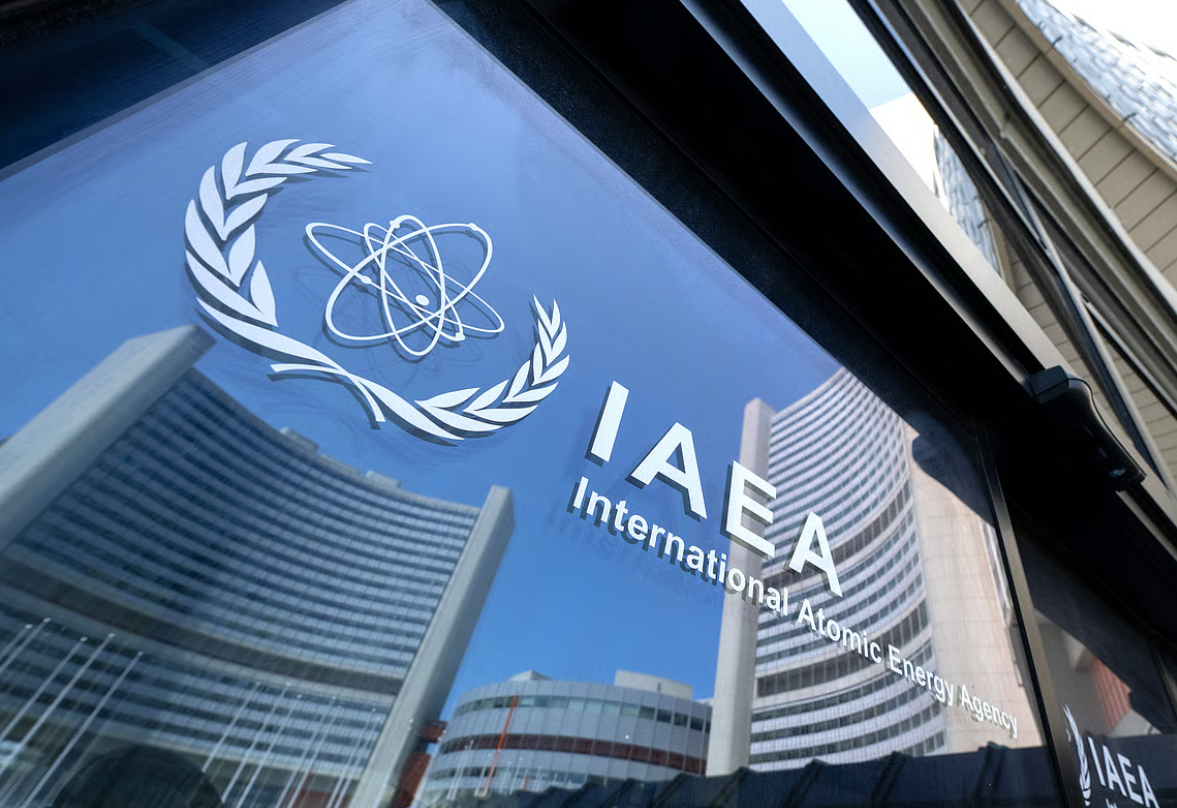

Iran has announced the suspension of its cooperation with the International Atomic Energy Agency (IAEA) following the move by Britain, France, and Germany to reimpose United Nations sanctions. The decision was made public through a statement issued by Iran’s Supreme National Security Council.
The announcement came shortly after the UN Security Council voted to restore sanctions originally lifted under the 2015 nuclear deal. These sanctions, previously frozen in exchange for curbs on Iran’s nuclear activities, are set to take effect again on September 28.
European “Snapback” Mechanism and UN Sanctions
The European governments activated the “snapback” mechanism within the decade-old nuclear accord, citing Iran’s alleged failure to meet compliance requirements. By triggering this process, the sanctions—covering arms restrictions, financial measures, and other international obligations—will automatically be reinstated unless the council reverses the decision in the coming days.
Iran’s security body argued that the move undermines ongoing diplomatic efforts with the IAEA. Despite presenting plans aimed at resolving disputes, Tehran stated that the European decision “effectively suspends the path of cooperation with the agency.”
Impact on IAEA Engagement
Earlier this month, Iran and the IAEA reached a breakthrough agreement in Cairo. The deal would have allowed international inspectors to resume access to Iran’s nuclear sites. These inspections had been halted after Israeli and US strikes targeted Iranian nuclear facilities in June.
Tehran accused the IAEA of failing to condemn those strikes, which further strained relations. Now, with the European powers pushing for renewed sanctions, the fragile progress toward restoring monitoring has collapsed.
Western Concerns Over Nuclear Weapons Ambitions
Western nations have repeatedly accused Iran of attempting to develop nuclear weapons. Tehran has consistently rejected these accusations, maintaining that its nuclear program is strictly for peaceful purposes. However, European leaders insist that sanctions will remain unless Iran resumes full cooperation with the IAEA and restarts nuclear negotiations with Washington.
Talks between Iran and the United States have been suspended since June. Without progress on this front, the re-imposed sanctions are likely to deepen Iran’s economic and diplomatic isolation.
Tensions Ahead of Sanctions Deadline
The renewed sanctions are scheduled to come into force on September 28. Iran now faces the challenge of either returning to negotiations or confronting intensified international pressure. The situation highlights the fragile state of nuclear diplomacy and the growing rift between Iran and Western powers.
The decision to suspend cooperation with the IAEA signals Tehran’s frustration and marks a significant setback for efforts to restore oversight of its nuclear program. Unless last-minute diplomacy succeeds, both sides appear headed toward heightened confrontation in the coming weeks.
