

Tanker Attack Escalates Gulf Tensions
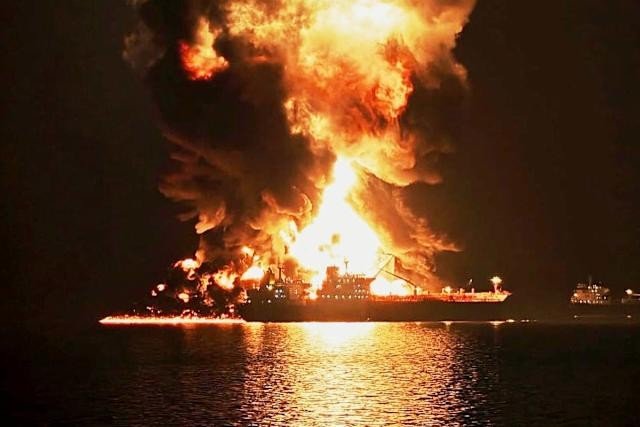
A major oil tanker was hit in a fresh escalation of conflict involving Iran. The vessel, identified as the Kuwait-flagged Al Salmi, came under attack near Dubai on Monday. The strike caused a large fire and raised fears of further instability in the region.
The attack follows weeks of rising tensions after the United States and Israel launched strikes on Iran earlier this year. Since then, multiple merchant vessels have been targeted in the Gulf and surrounding waters.
Officials said the tanker was carrying nearly 2 million barrels of crude oil. The cargo is estimated to be worth over $200 million. The incident briefly pushed global oil prices higher as markets reacted quickly.
Authorities in Dubai confirmed that the fire was caused by a drone strike. Emergency teams managed to bring the blaze under control. No injuries have been reported so far, but the situation remains serious.
Strait of Hormuz Crisis Deepens
The attack has intensified concerns over security in the Strait of Hormuz. This narrow waterway is one of the world’s most critical oil routes. A large portion of global energy supplies passes through it daily.
Donald Trump responded strongly to the incident. He warned that the US could target Iran’s energy infrastructure if the strait is not kept open. His remarks signal a possible escalation in military action.
Kuwait Petroleum Corporation, the owner of the tanker, said damage assessments are ongoing. The company also warned of a possible oil spill. Environmental risks are now a growing concern alongside security threats.
Shipping companies are becoming more cautious. Some vessels may reroute to avoid the area. This could increase shipping costs and delay deliveries worldwide.
The Gulf region has seen repeated attacks involving missiles and drones. These incidents highlight the vulnerability of key energy routes. Experts say even limited disruptions can have major global impacts.
Rising Oil Prices Hit Global Consumers
The tanker attack has added pressure to already rising oil prices. Global markets are reacting to supply concerns and geopolitical risks. Crude oil prices have moved above $100 per barrel.
In the United States, fuel prices are rising तेजी. The average gasoline price has crossed $4 per gallon for the first time in over three years. This is affecting household budgets across the country.
The price surge is also creating political pressure. Trump and his party have promised to reduce energy costs. However, ongoing conflict is making that goal harder to achieve.
Analysts warn that continued attacks could push prices even higher. Disruptions in supply chains may worsen inflation. Global economic stability could face new risks.
The latest incident shows how quickly regional conflict can impact global markets. Energy security is now a key concern for governments and businesses worldwide.
As tensions continue, the safety of oil routes remains uncertain. The situation in the Gulf is likely to shape energy trends in the coming weeks.

