

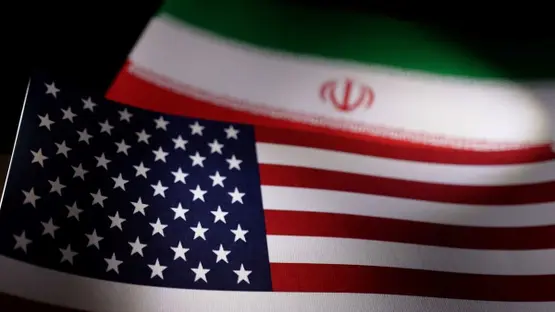

Iran has signalled willingness to consider compromises to secure a renewed nuclear agreement with the United States, provided sanctions relief is discussed, Deputy Foreign Minister Majid Takht-Ravanchi said.
Speaking to BBC in an interview published Sunday, Takht-Ravanchi confirmed that a second round of negotiations will take place in Geneva on Tuesday. The talks follow a recent resumption of indirect contacts between Tehran and Washington in Oman earlier this month.
He described the initial discussions as cautiously positive but stressed that it remains too early to assess outcomes. Nonetheless, Tehran continues to frame any progress as contingent on meaningful sanctions relief.
Iran highlights flexibility but keeps red lines
Iran has repeatedly said it is open to limits on its nuclear programme in exchange for the removal of financial sanctions. However, officials have ruled out linking nuclear negotiations to other issues, including missile development.
Takht-Ravanchi cited remarks from Iran’s atomic chief, who suggested Tehran could dilute its most highly enriched uranium if all financial sanctions are lifted. The deputy minister presented this as evidence of Iran’s flexibility.
At the same time, he reaffirmed a key red line: Iran will not accept a total ban on uranium enrichment. Washington has long viewed domestic enrichment as a potential pathway to nuclear weapons, an accusation Tehran denies.
Legacy of past deal shapes new negotiations
The diplomatic push unfolds against the backdrop of the 2015 nuclear accord, formally known as the Joint Comprehensive Plan of Action. The agreement was negotiated during the presidency of Barack Obama but later abandoned by Donald Trump during his first term.
That deal lifted sanctions in exchange for strict limits on Iran’s nuclear activities. Now, negotiators face the challenge of reviving or replacing the framework amid deep mistrust on both sides.
