

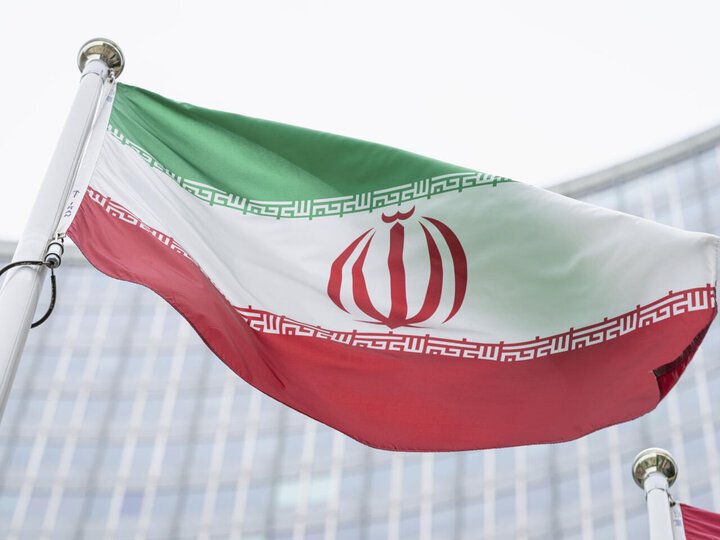

Iran has signaled a willingness to compromise ahead of crucial negotiations with the United States scheduled for Thursday in Geneva. Iranian Deputy Foreign Minister Majid Takht-Ravanchi said Tehran stands ready to take necessary steps to secure an agreement. He emphasized that Iran will enter the talks “with complete honesty and good faith,” reflecting what officials describe as a renewed push for diplomacy.
Meanwhile, the White House reaffirmed that President Donald Trump prefers diplomacy but remains prepared to use military force if required. Press Secretary Karoline Leavitt stated that Trump considers diplomacy his first option; however, he will authorize lethal force if circumstances demand it. As a result, both nations approach the talks balancing cautious optimism with firm warnings.
In addition, a senior Iranian official revealed that Tehran may consider sending part of its highly enriched uranium abroad, diluting another portion, and participating in a regional enrichment consortium. In exchange, Iran seeks formal recognition of its right to peaceful nuclear enrichment and the lifting of economic sanctions. Tehran continues to deny pursuing nuclear weapons, insisting its program serves civilian energy needs.
Military buildup raises stakes in negotiations
At the same time, the United States has increased its military presence in the Middle East, raising tensions across the region. Iran has warned that it will strike US bases if Washington launches an attack. These developments follow last year’s stalled indirect talks, which collapsed over US demands that Iran halt uranium enrichment entirely.
Furthermore, the US previously joined Israel in targeting Iranian nuclear facilities, an action Trump said “obliterated” key sites. Now, both sides return to the negotiating table under heightened pressure, knowing that the outcome could shape regional stability for years to come.
