

Tehran Signals Diplomatic Flexibility Toward Madrid
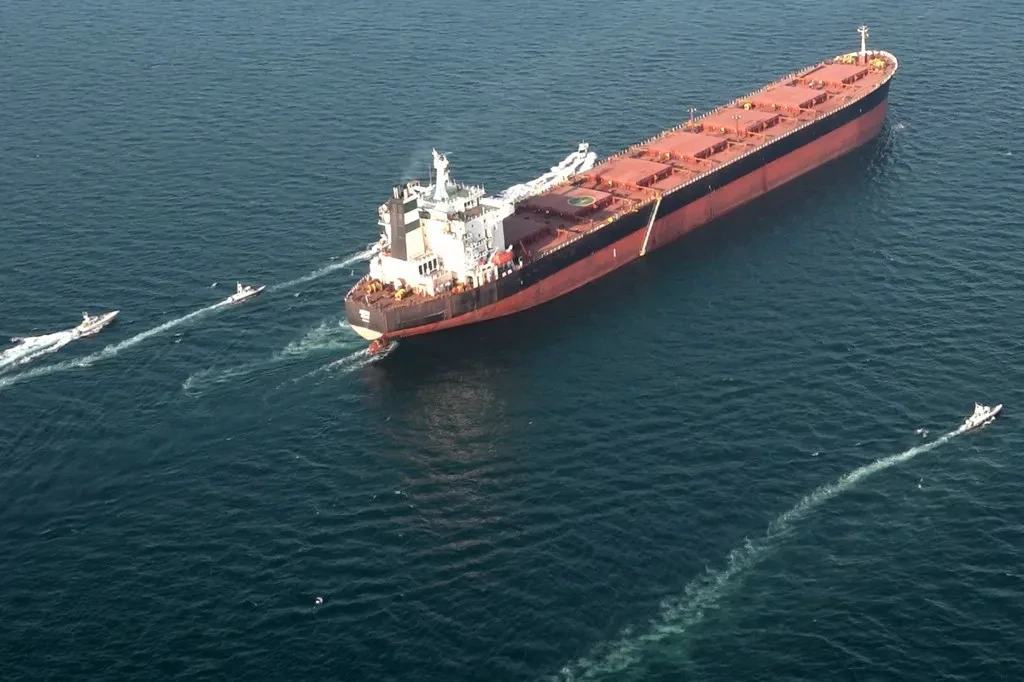
Iran has indicated its willingness to coordinate with Spain on shipping matters in the Strait of Hormuz. The statement came from the Iranian embassy in Madrid on Thursday.
Officials said Iran views Spain as a country that respects international law. Therefore, Tehran is open to considering requests from Madrid regarding maritime transit. This marks the first time Iran has offered such flexibility to a European Union member state.
The announcement came through a public post on social media. It highlighted Iran’s readiness to engage in dialogue on shipping routes. As a result, the move signals a possible shift toward limited cooperation despite ongoing regional tensions.
Spain’s Position and Regional Context
Spain has a relatively small merchant fleet. However, it has taken a clear diplomatic stance in recent weeks. Madrid was among the first European capitals to condemn recent military actions involving the United States and Israel against Iran. Spanish officials described the strikes as reckless and against international law.
Because of this position, Iran appears to view Spain as a neutral or less hostile partner. Consequently, this perception may have opened the door for dialogue on sensitive issues like maritime security.
The Strait of Hormuz remains one of the most important global trade routes. It connects the Persian Gulf to international waters. A large share of global oil shipments passes through this narrow channel. Therefore, any cooperation related to this route holds global significance.
Conditions for Safe Transit Through Hormuz
Earlier this week, Iran shared its position with the United Nations. In a formal communication, Iranian officials stated that “non-hostile vessels” could pass through the strait. However, ships must coordinate with Iranian authorities before transit.
This condition highlights Iran’s effort to maintain control over the waterway while avoiding direct confrontation. At the same time, it offers a pathway for reducing tensions in maritime operations.
Experts believe such coordination could help prevent misunderstandings at sea. It may also reduce risks for commercial shipping companies. However, the situation remains sensitive due to ongoing regional conflicts.
Global powers continue to monitor developments in the Strait of Hormuz closely. Any disruption in this route can affect oil prices and international trade. Therefore, diplomatic signals like this one from Iran could play an important role in maintaining stability.
For now, Iran’s outreach to Spain suggests a cautious but notable step toward cooperation. Future discussions may further shape how countries manage shipping in one of the world’s most critical waterways.

