
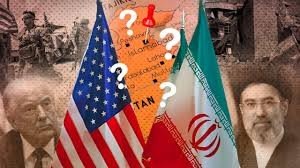

Tehran Links Negotiations to Lebanon Ceasefire
Iran has raised new conditions ahead of planned negotiations with the United States, stressing that any meaningful talks must first address the situation in Lebanon. Foreign Minister Abbas Araghchi said Washington must honour its commitments by extending the current ceasefire to Lebanon and stopping Israeli military actions there. Since March, Israeli strikes in Lebanon have reportedly killed nearly 1,900 people, making the issue central to Iran’s demands.
In addition, Iran has consistently argued that the existing truce framework already includes Lebanon. However, US officials have rejected this claim. This difference in interpretation has created fresh tensions even before formal negotiations begin. Therefore, the inclusion of Lebanon remains a key sticking point between both sides.
Iran Demands Release of Blocked Assets Before Talks
At the same time, Iran has introduced another major condition for starting negotiations. Parliament Speaker Mohammad Bagher Ghalibaf stated that the release of Iran’s blocked financial assets must take place before talks can proceed. He explained that both the Lebanon ceasefire and asset release were previously agreed upon but remain unfulfilled.
Moreover, he emphasized that these steps are necessary to build trust between the two countries. Without them, Iran believes negotiations would lack credibility and fairness. This marks a stronger public stance, as asset unfreezing had not earlier been presented so clearly as a precondition. Consequently, the path to dialogue appears more complex.
Diplomatic Tensions Rise as Talks Approach in Islamabad
The developments come as US Vice President JD Vance travels to Islamabad for discussions aimed at turning a temporary ceasefire into a long-term agreement. However, he warned that the United States would not respond positively if Iran attempts to delay or complicate the process. His remarks reflect growing caution within Washington regarding Tehran’s demands.
Meanwhile, Shehbaz Sharif has played a central role in mediating between the two sides. He previously stated that Lebanon was part of the broader peace proposal presented by Iran. Despite this, the White House has described such claims as a misunderstanding. As a result, both sides remain divided on key terms even before formal negotiations begin. The coming talks in Islamabad are therefore expected to be challenging but critical for regional stability.

