

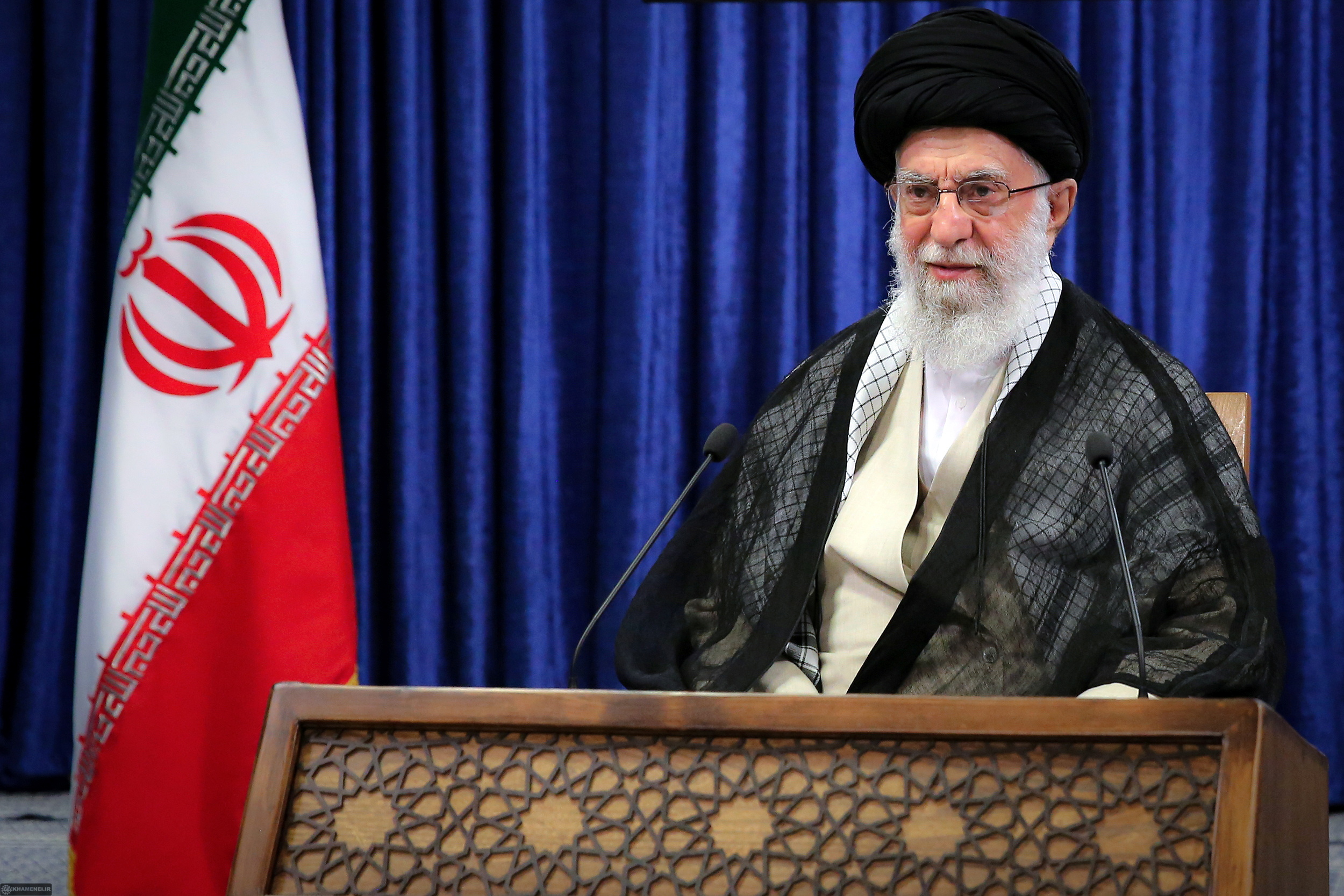

Iran’s Supreme Leader, Ayatollah Ali Khamenei, has firmly rejected a recent U.S. proposal concerning Iran’s nuclear program, asserting that it undermines the nation’s sovereignty and national interests. The proposal, mediated by Oman, suggests limitations on Iran’s uranium enrichment activities and the surrender of its enriched uranium stockpile—measures Tehran views as critical to its civil nuclear program. Khamenei condemned these suggestions as “100 percent against” the ideals of Iran’s 1979 Islamic revolution, emphasizing that uranium enrichment is central to the country’s nuclear agenda.
Despite this rejection, Khamenei did not entirely dismiss the possibility of a nuclear agreement. He acknowledged the importance of negotiations in easing economic sanctions but reiterated that Iran would not relinquish its right to enrich uranium. Iran currently enriches uranium up to 60%, a level that is close to weapons-grade but still below the 90% threshold required for a nuclear warhead. The International Atomic Energy Agency (IAEA) has reported that Iran’s stockpile of highly enriched uranium is sufficient for potentially nine nuclear weapons if further refined.
The U.S. proposal reportedly includes the establishment of a multinational consortium to provide low-enriched uranium to Iran, aiming to ensure that Tehran’s nuclear activities are peaceful. Iran has expressed openness to participating in such a consortium, provided it operates within its own borders, allowing Iran to maintain control over its enrichment activities.
The ongoing negotiations come amid heightened tensions, with Iran’s nuclear advancements and the potential for military action by the U.S. or Israel remaining significant concerns. The outcome of these talks could have profound implications for regional security and international nonproliferation efforts.
