


Widespread Unrest Eases After Weeks of Protests
Iran’s recent protest movement has shown signs of slowing after weeks of unrest, strict security measures, and a prolonged internet blackout. Monitors and state-linked media reported on Friday that tensions have eased in most parts of the country, even though isolated incidents of unrest were still reported in some regions.
The protests began in late December after mounting economic pressure and rising public frustration. The initial spark came from a shutdown of Tehran’s historic bazaar on December 28. What started as economic dissent quickly evolved into a broader political movement demanding an end to the system established after the 1979 Islamic Revolution.
Large crowds took to the streets of major cities from January 8. Authorities responded swiftly. Internet services were shut down nationwide, limiting communication and coverage. Netblocks, a global internet monitoring group, confirmed that Iran’s total internet blackout lasted more than 180 hours. This made it longer than the shutdown imposed during the 2019 protests.
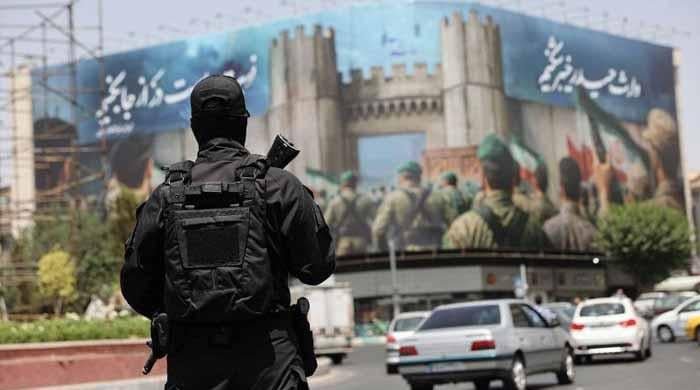
Amnesty International reported heavy security deployment across cities. Armed patrols and checkpoints appeared in key locations. Security forces maintained a visible presence to deter further demonstrations.
Political Reactions and Global Diplomatic Moves
Despite the reported calm, opposition voices continued to speak out. Reza Pahlavi, son of Iran’s late shah, addressed a news conference in Washington. He expressed confidence that the current government would eventually fall. He also repeated his claim that he would return to Iran.
However, the threat of immediate foreign military action appeared to ease. Former US President Donald Trump, who had backed Israel during its recent conflict with Iran, indicated caution. While he had not ruled out future action, regional diplomacy gained momentum.
A senior Saudi official revealed that Saudi Arabia, Qatar, and Oman led urgent diplomatic efforts. Their goal was to persuade Washington to give Iran space to show restraint. The White House stated that all options remained available but signaled no immediate escalation.
Meanwhile, Russia also stepped in diplomatically. President Vladimir Putin held talks with Iranian President Masoud Pezeshkian. The Kremlin described the discussion as part of de-escalation efforts.
Arrests, Sanctions, and Lingering Unrest
Human rights groups estimate that up to 20,000 people were arrested during the protests. Iranian officials offered lower figures. Security sources quoted by Tasnim news agency said around 3,000 people were detained.
Attention had focused on a young protester, Erfan Soltani. Activists feared his execution. Iranian judicial authorities later clarified that he was not sentenced to death and did not face capital punishment.
The United States announced fresh sanctions during the unrest. The US Treasury targeted senior Iranian officials, including Ali Larijani, head of Iran’s Supreme Council for National Security.
At the United Nations Security Council, Iranian-American journalist Masih Alinejad said Iranians were united against the government. Iran’s representative rejected the claim. He accused Washington of exploiting protests for political aims.
Despite official claims of calm, sporadic unrest continued. Tasnim reported arson attacks on public buildings in Isfahan province. Residents in Kurdish-populated northwestern regions said small protests still occurred, though less intensely than before.
Iran’s police chief later stated that stability had been restored nationwide. Authorities also announced arrests of alleged protest leaders in Kermanshah and Kerman. Officials said these actions helped prevent further violence.
While protests have subsided for now, analysts believe underlying economic and political tensions remain unresolved.
