
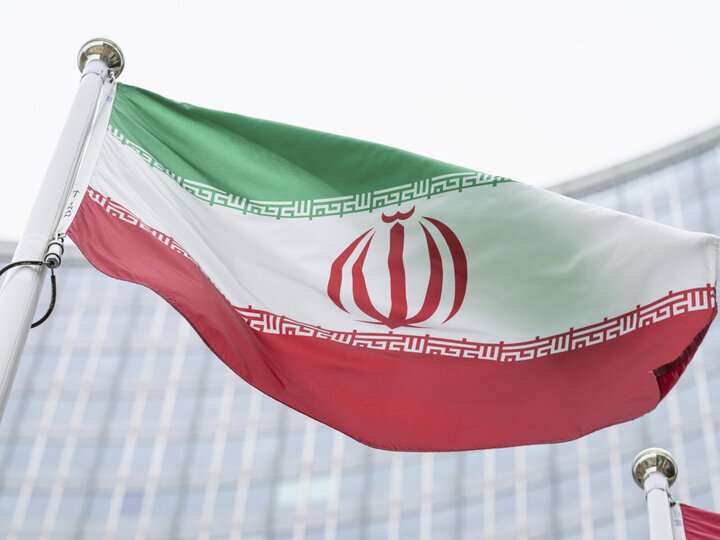

Iran has acknowledged Pakistan’s key diplomatic role in hosting and facilitating recent negotiations with the United States. At the same time, Tehran has made it clear that the talks failed to produce results due to a lack of trust in Washington’s approach.
Iran’s Parliament Speaker Mohammad Bagher Ghalibaf praised Pakistan for its efforts. However, he stressed that the United States was unable to gain Iran’s confidence during the discussions.
His remarks highlight both appreciation for mediation and frustration over unresolved differences.
Pakistan Earns Praise for Diplomatic Role
In a statement shared on social media, Ghalibaf expressed gratitude to Pakistan. He described it as a “friendly and brotherly country” that played an important role in facilitating dialogue.
He also extended his regards to the people of Pakistan. His message reflects growing recognition of Islamabad’s efforts in promoting peace and stability in the region.
Pakistan hosted the high-level talks between Iran and the United States in its capital. The مذاکرات were seen as a significant step toward reducing tensions after weeks of conflict.
Officials in both countries acknowledged that creating space for dialogue was important. Pakistan’s neutral stance helped bring both sides to the table.
This diplomatic role has strengthened Pakistan’s image as a regional mediator.
Iran Says US Failed to Gain Trust
Despite appreciating Pakistan’s efforts, Ghalibaf was critical of the United States. He stated that Washington failed to build trust during the negotiations.
He revealed that even before the talks began, Iran had concerns. According to him, Tehran entered the dialogue with goodwill but remained cautious.
He pointed to past conflicts as a major reason for distrust. These experiences, he said, continue to shape Iran’s موقف toward the United States.
Ghalibaf added that Iranian delegates presented forward-looking proposals. However, the US side did not respond in a way that built confidence.
As a result, the talks ended without a meaningful breakthrough.
Trust Deficit Remains Key Obstacle
The lack of trust between Iran and the United States remains a central challenge. Decades of tension have made negotiations difficult. Each side questions the intentions of the other.
Ghalibaf’s comments underline this reality. He made it clear that trust cannot be built quickly. It requires consistent actions and mutual respect.
The Islamabad talks lasted several hours and included multiple rounds of discussion. However, the absence of trust limited progress.
Despite this, diplomatic channels remain open. Both sides have not ruled out future engagement.
Pakistan, meanwhile, has indicated that it will continue to support dialogue efforts. Its leadership believes that sustained engagement is essential for peace.
The recent talks may not have produced an agreement. Still, they highlighted the importance of mediation and communication.
For now, the focus remains on rebuilding confidence. Without trust, even the most well-structured negotiations are unlikely to succeed.

