


The Strait of Hormuz
Iran has opened the Strait of Hormuz for the friendly countries and barred the hostile countries, including the Western nations. Iran said that tankers and ships of the friendly countries are allowed to pass through the Strait of Hormuz, but this passage would not be available to Western countries’ ships and oil tankers.
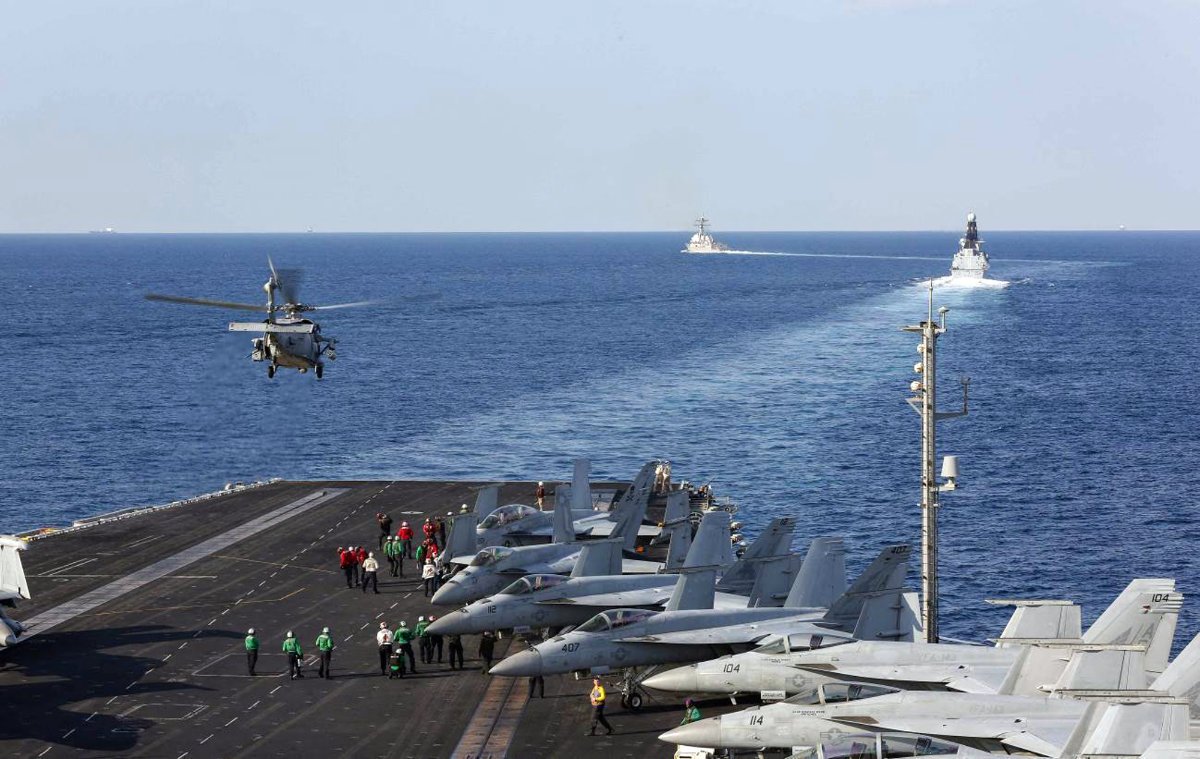
Meanwhile, a spokesman for Iran’s Revolutionary Guards has challenged US President Donald Trump to deploy naval vessels to escort oil tankers through the Strait of Hormuz, according to Iranian state media reports on Friday.
Iran challenges Trump to send warships to escort ships
The statement came after Trump suggested earlier this week that the US Navy could begin escorting commercial oil tankers through the strategic waterway if the security situation deteriorates.
Trump remarked while addressing growing concerns over attacks on shipping in the region. Washington has accused Iran of targeting vessels in the narrow maritime corridor, a charge Tehran denies.
However, Iranian officials warned that any US military involvement in the strait would escalate tensions in an already volatile region. The Revolutionary Guards spokesman said the United States should test its proposal if it believes escorting tankers would guarantee safe passage.
Oil markets react to rising tensions
Meanwhile, energy markets have reacted sharply to the escalating confrontation. US oil prices surged about 28 percent this week, climbing above $86 per barrel as tanker attacks disrupted shipping routes through the Strait of Hormuz.
Global benchmark Brent crude has also jumped roughly 22 percent during the same period, reaching about $89 per barrel.
Analysts warn that prices could climb even higher if the waterway remains closed or unsafe for an extended period. Some experts say Brent crude could exceed $100 per barrel under prolonged disruption.
Such a spike in energy costs could place additional pressure on the global economy and increase the risk of a recession, economists caution.
The Strait of Hormuz remains one of the world’s most critical energy chokepoints. It is the only sea route for oil tankers entering and leaving the Persian Gulf.
Media reports revealed that over 14 million barrels of crude oil moved through the strait in 2025. It represented about one-third of global seaborne oil exports last year.
