


Iran is witnessing one of its deadliest protest waves in recent years as reported fatalities have crossed 500. According to verified data from rights monitors, nationwide unrest has claimed the lives of hundreds within just two weeks. These demonstrations mark the largest challenge to Iran’s leadership since 2022.
Rights groups report that at least 490 protesters and 48 security personnel have died so far. In addition, authorities have arrested more than 10,600 people across several provinces. However, Iran has not released any official death toll. As a result, the full scale of casualties remains uncertain.
Economic Grievances Trigger Widespread Unrest
The protests began on December 28 following sharp increases in prices and living costs. Initially, demonstrators voiced economic frustrations. Soon afterward, chants turned openly political. Consequently, unrest spread rapidly to major cities and regional centers.
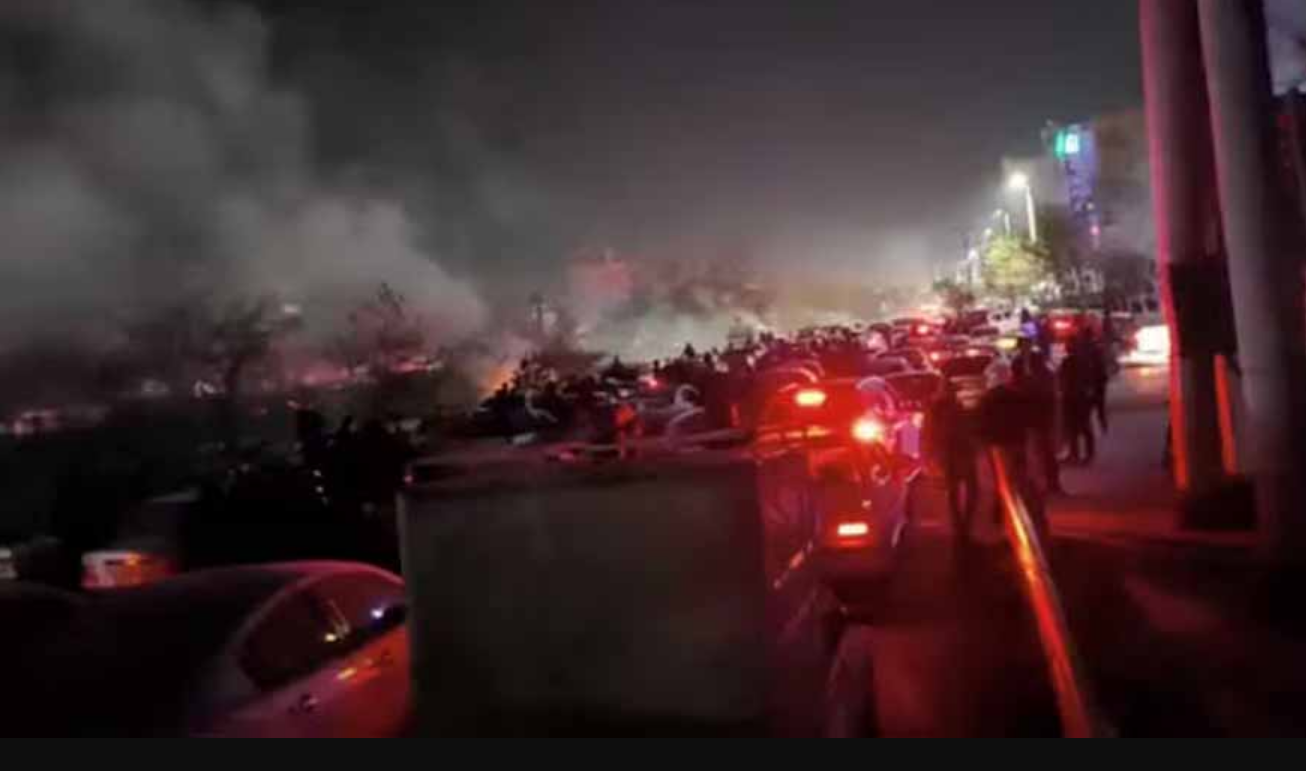
Meanwhile, authorities imposed a nationwide internet blackout. Despite this, videos circulated online showing large nighttime marches and street confrontations. In several areas, fires burned along roads while debris blocked key routes. These scenes highlighted the growing intensity of the unrest.
Authorities Tighten Security Measures
Iranian officials accuse foreign actors of fueling instability. They claim that outside forces are encouraging sabotage and violence. As a result, security operations have intensified across the country.
State media broadcast images of funerals for security personnel killed during clashes. Officials insist that many deaths were caused by armed groups rather than protests alone. At the same time, the government called for nationwide rallies to denounce what it described as foreign-backed unrest.
Rising International Pressure and Warnings
The crisis has triggered heightened tensions beyond Iran’s borders. Senior Iranian leaders warned that any foreign intervention would provoke retaliation. They stated that regional military targets could be considered legitimate.
Meanwhile, the United States signaled readiness to support protesters. Policy discussions reportedly include sanctions, cyber actions, and military options. Consequently, regional allies moved to high-alert status. This development has raised fears of wider instability.
Political Impact and Regional Risks
Iran’s leadership faces unrest while still recovering from last year’s regional conflict. Its influence has also weakened following setbacks to allied groups. Therefore, analysts believe prolonged protests could further strain state authority.
Some experts argue the protests may not overthrow the system. However, they warn that lasting political and economic damage is likely. Public confidence, they say, has already suffered.
Calls for Calm and Dialogue
Iran’s president urged families to prevent young people from joining violent clashes. He also said the government is prepared to address economic grievances. Nevertheless, protests continue across multiple cities.
As tensions persist, the situation remains volatile. Both domestic stability and regional security now hang in a fragile balance.
