

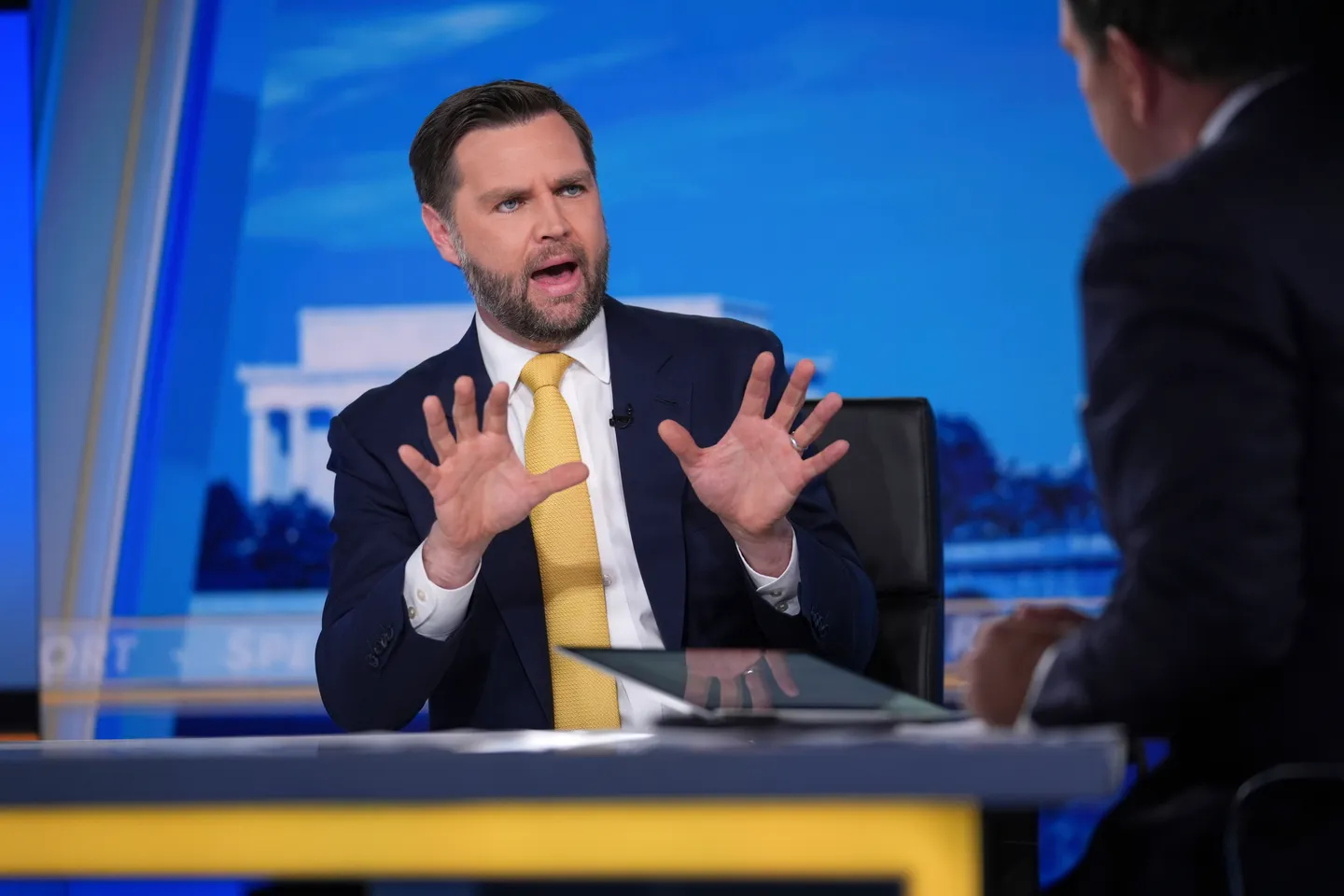

U.S. Vice President JD Vance has declared that Iran is no longer capable of producing a nuclear weapon following recent American airstrikes on key nuclear infrastructure across the country.
“We are now in a place where we weren’t a week ago. A week ago, Iran was very close to having a nuclear weapon,” Vance told Fox News. “Now, Iran is incapable of building a nuclear weapon with the equipment they have, because we destroyed it.”
His remarks came just hours after President Donald Trump announced a ceasefire agreement between Iran and Israel, signaling a potential end to nearly two weeks of direct hostilities between the two adversaries.
“Tomorrow really is a new day — the end of the 12-Day War, the end of the Iranian nuclear program, and I really do believe the beginning of something very big for peace in the Middle East,” Vance added.
Tensions between Washington and Tehran escalated dramatically over the weekend when U.S. forces joined Israeli military operations, launching coordinated airstrikes on three critical Iranian nuclear facilities — including the fortified Fordow uranium enrichment site.
In retaliation, Iran fired a salvo of ballistic missiles at the U.S.-operated Al Udeid Air Base in Qatar. No casualties were reported.
The White House has framed the strikes as both a decisive military success in dismantling Iran’s nuclear capabilities and a potential catalyst for new diplomatic momentum in the region.
The recent ceasefire, announced by President Trump, outlines a phased de-escalation: Iran is to begin halting military activity first, with Israel following 12 hours later. If upheld, the conflict will officially conclude 24 hours from the start of the truce.
Since June 13, Israel has launched repeated strikes inside Iran, targeting military, nuclear, and civilian infrastructure. Tehran has responded with its own missile attacks, raising fears of a broader regional war.
While the long-term consequences of the conflict remain uncertain, U.S. officials are portraying the current moment as a major turning point in the Middle East’s volatile geopolitical landscape.
