

Parliament Panel Approves New Toll Framework
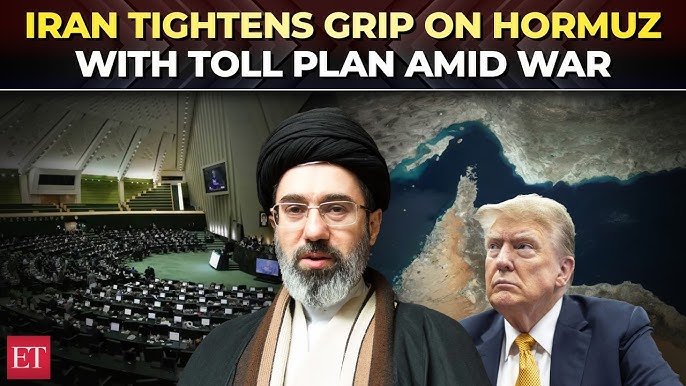
Iran has taken a major step toward tightening control over a key global shipping route. A parliamentary commission in Iran has approved a plan to impose tolls on vessels passing through the Strait of Hormuz. The decision was reported by Iranian state television on Monday.
The Strait of Hormuz is one of the world’s most important maritime corridors. It connects the Persian Gulf to global markets. A large share of oil and gas shipments passes through this narrow waterway every day.
Officials say the new proposal includes financial systems based on Iran’s local currency. The plan introduces structured toll payments for ships transiting the strait. Lawmakers describe this move as part of Iran’s sovereign rights.
The proposal also includes cooperation with Oman, which lies on the other side of the strait. This coordination could help manage traffic and enforce new rules. However, full implementation details are still unclear.
Restrictions Target US and Allies
The plan goes beyond toll collection. It includes restrictions on certain countries using the route. Reports indicate that vessels linked to the United States and Israel may be barred from passing through.
Iranian officials also aim to block countries that impose sanctions on Tehran. This reflects rising tensions linked to the ongoing regional conflict. The policy signals a more aggressive stance in controlling maritime access.
The move comes as the Middle East conflict continues to escalate. The Strait of Hormuz has already been heavily affected. Shipping activity has dropped sharply since the war began.
According to maritime data, traffic through the strait has fallen by nearly 95 percent. This decline is disrupting global energy flows. Oil tankers and cargo ships are avoiding the route due to security risks.
Global Energy Markets Face Growing Pressure
The impact of these developments is being felt worldwide. The Strait of Hormuz normally carries about one-fifth of global oil and liquefied natural gas supplies. Any disruption creates immediate pressure on energy markets.
Reduced traffic has already caused supply concerns. Oil prices have become more volatile. Energy-importing countries are facing increased costs and uncertainty.
Experts warn that introducing tolls could further complicate the situation. Shipping companies may face higher operational expenses. Some may choose alternative routes, increasing transit times and costs.
The plan also raises legal and political questions. International waters are typically governed by global agreements. Any unilateral action could lead to disputes.
Despite these concerns, Iran appears determined to move forward. Officials say the policy is necessary to protect national interests. They also argue it responds to external pressure and sanctions.
The situation remains fluid as the conflict continues. The proposed toll system adds another layer of complexity to an already tense environment. Global markets are watching closely for further developments.
If implemented, the policy could reshape trade flows in the region. It may also trigger responses from major global powers. The future of one of the world’s most vital shipping lanes is now uncertain.

