
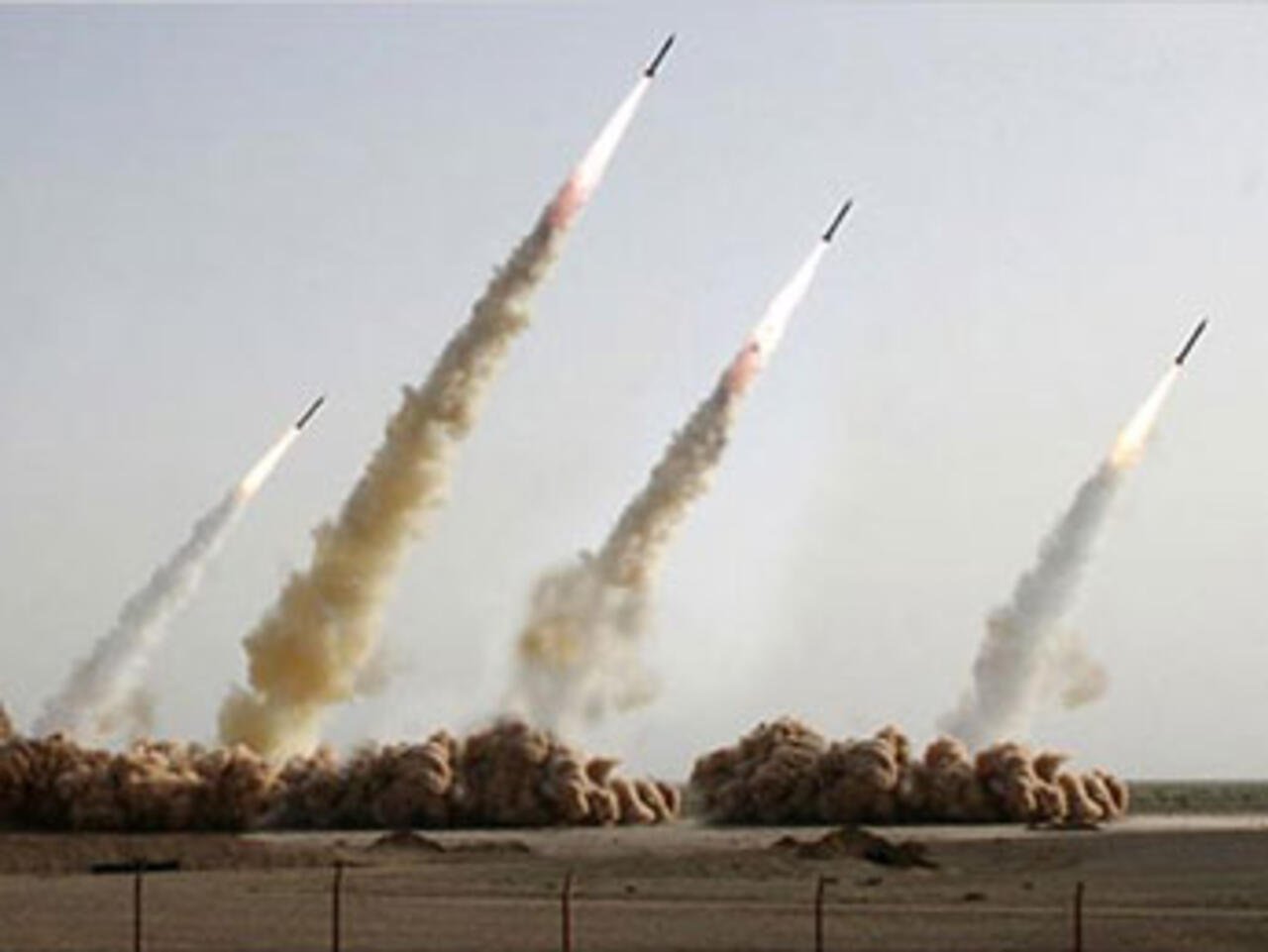

Iran has announced a fresh wave of missile and drone strikes targeting Israel and United States military bases in the Gulf region. The escalation marks a significant development in the ongoing conflict that has gripped the region since late February.
The announcement was made by Iran’s military command, which confirmed that multiple targets were selected. These included major Israeli cities and key US military installations. However, there has been no immediate confirmation of direct hits or damage from either Israel or the United States.
The situation remains fluid. Regional tensions continue to rise as both sides monitor developments closely. The latest strikes highlight the growing intensity of the conflict.
Key Targets Include Israeli Cities and Gulf Bases
According to Iran’s Khatam Al-Anbiya central command, the strikes targeted cities such as Tel Aviv and Eilat. These locations are strategically important and densely populated.
In addition to Israeli targets, US military bases in Bahrain and Kuwait were also included. These bases play a key role in US operations in the Gulf region.
The use of both missiles and drones suggests a coordinated attack strategy. Military analysts believe this approach increases the chances of penetrating defense systems. However, without confirmation of impact, the effectiveness remains unclear.
Officials in both Israel and the United States have not yet provided detailed responses. Security forces in the region remain on high alert.
Escalation Comes Amid Ongoing Regional Conflict
The latest strikes come during an already tense period in the Middle East. The conflict began on February 28 following joint military actions involving the United States and Israel against Iran.
Since then, multiple exchanges of attacks have taken place. Both sides have accused each other of escalating the situation. The region has seen increased military activity and heightened security concerns.
Iran’s announcement signals that the conflict is far from over. It also raises concerns about a broader regional confrontation. Neighboring countries are closely watching developments.
The use of long-range weapons and drones adds to the complexity of the conflict. It also increases risks for civilian areas and critical infrastructure.
Global Attention Turns to Upcoming US Statement
The announcement of the strikes came just hours before an expected address by Donald Trump. His speech is anticipated to outline the US position on the ongoing conflict.
Global leaders and analysts are awaiting clarity on future actions. The address could signal possible military or diplomatic responses. It may also shape the next phase of the conflict.
The international community remains concerned about further escalation. Calls for restraint and dialogue continue from various countries and organizations.
The situation in the Middle East remains unpredictable. Each new development adds to the uncertainty. The risk of wider conflict continues to grow.
The latest wave of strikes underscores the fragile security environment. It highlights the urgent need for diplomatic efforts to reduce tensions.

