


Ceasefire
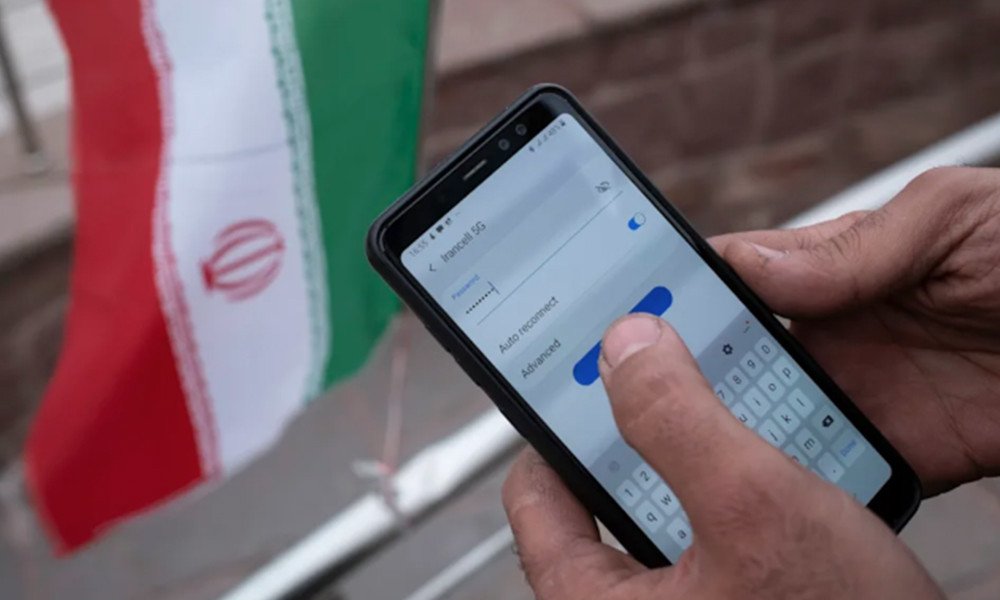
TEHRAN: Iranian authorities have begun lifting internet restrictions across the country, signaling a return to normalcy following the conclusion of a tense and destructive 12-day war with Israel.
The announcement came shortly after a ceasefire agreement between the two nations took effect, bringing a temporary halt to the conflict that had caused widespread disruption, including the suspension of digital communications.
During the hostilities, the Iranian government imposed extensive internet blackouts and communication restrictions across major cities and sensitive regions. The move was reportedly aimed at controlling the flow of information, preventing the spread of rumors, and securing military operations against potential cyber threats.
However, the restrictions also sparked frustration among ordinary Iranians who were cut off from vital communication tools, online services, and news updates during the height of the conflict.
On Wednesday, the cyber security command of the Islamic Revolutionary Guard Corps (IRGC) issued a statement via state-run media, confirming that the country’s communication network was now being gradually restored. “The communication network is gradually returning to its previous state,” the statement read, indicating a phased and controlled approach to easing the digital lockdown.
Iran’s Minister for Communications, Sattar Hashemi, also addressed the situation in a public message on social media platform X (formerly Twitter). “With the normalisation of conditions, the state of communication access has returned to its previous conditions,” Hashemi said, reaffirming that the government is now restoring full internet connectivity as the security situation stabilizes.
The easing of restrictions marks a significant shift in the government’s wartime posture and reflects a broader attempt to restore public confidence after a period of extreme tension.
It is also seen as a gesture toward transparency and civilian relief, following days of chaos in which both physical infrastructure and communication systems were under strain.
Although authorities have not specified a timeline for the full restoration of all services, reports from multiple cities suggest that access to mobile internet, social media platforms, and messaging services is gradually improving.
Digital rights groups and international observers have welcomed the development but continue to call for the protection of internet freedom, particularly during times of national crisis.
As Iran emerges from the shadows of war, the return of internet access is expected to play a crucial role in reconnecting families, restoring business operations, and enabling the dissemination of accurate information in a country still coming to terms with the conflict’s toll.
