


The war between Iran and Israel paused on Tuesday, bringing a temporary end to 12 intense days that saw the region teeter on the brink of full-scale conflict. The world watched as U.S. President Donald Trump veered between extreme threats—including the evacuation of Tehran, assassination of Iran’s leadership, and regime change—and surprisingly conciliatory statements wishing “God bless Iran.”
While no formal ceasefire has been signed, Iranian Foreign Minister Seyyed Abbas Araghchi announced that Tehran has agreed to halt strikes on Israel, provided the Israeli government refrains from further aggression.
The war, triggered by Israeli and U.S. attacks on Iranian territory—including nuclear facilities and residential areas—sparked fears of a wider regional conflagration. American military involvement escalated the conflict, prompting retaliatory strikes from Iran and raising alarms among regional leaders concerned the fallout would spread across West Asia.
Despite the lull, the ceasefire remains fragile. Iran has warned that its restraint depends on Israel’s behavior, and historical patterns of broken truces by both the U.S. and Israel have left neighboring countries wary of renewed violence.
Western Media Narratives and Unspoken Realities
Western coverage has largely depicted Iran as weakened, while downplaying the internal damage in Israel and avoiding discussions of strategic failures by the U.S. and its ally. Yet behind the media gloss lies a more complex picture—one in which Washington and Tel Aviv suffered significant setbacks.
How Did the War Begin?
The conflict erupted early on June 13 when Israel, with U.S. support, launched coordinated strikes on Tehran’s residential areas, nuclear facilities in Natanz and Isfahan, and several military sites. The attacks also included the targeted killing of senior Iranian military leaders and nuclear scientists.
At the time, Iran was preparing for a sixth round of nuclear talks with the U.S., making the timing especially provocative.
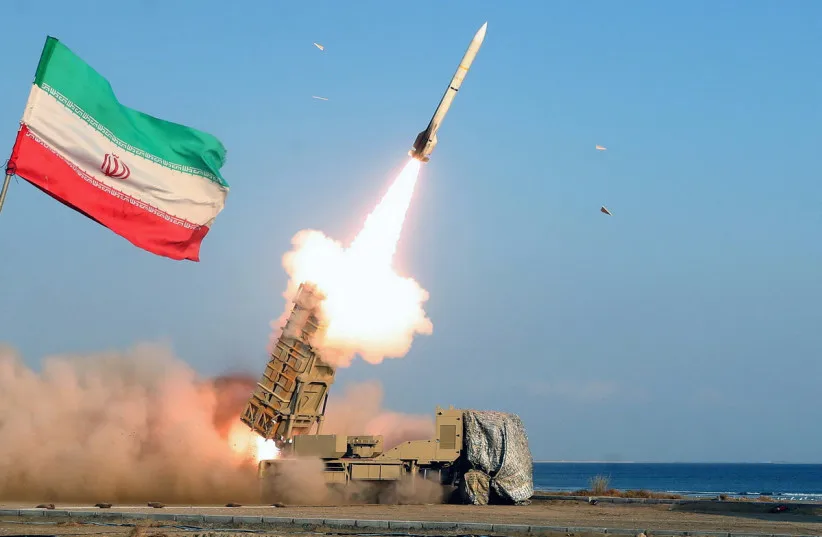
Iran responded that same night, launching 22 waves of missile and drone attacks across Israeli-occupied territories, with the final wave occurring just minutes before the ceasefire took effect on June 24.
Initially, U.S. officials denied involvement in the Israeli strikes, but on June 22, American forces carried out direct attacks on Iran’s nuclear sites in Natanz, Isfahan, and Fordow.
Why Did the U.S. and Israel Strike Iran?
The stated aim was to halt Iran’s alleged pursuit of nuclear weapons. But this justification was contradicted by recent U.S. intelligence assessments, which concluded that Iran was neither close to building a bomb nor showing intent to do so. The IAEA also confirmed, after the attacks began, that there was no evidence Iran was weaponizing its nuclear program.
Many observers believe the true goal was regime change. U.S. and Israeli officials appeared to hope that military pressure, combined with internal discontent, would trigger a popular uprising. They even staged a media event featuring the exiled son of the former Shah of Iran, presenting him as a potential replacement leader.
Key to this strategy was the decapitation of Iran’s military leadership. Dozens of high-ranking officers were assassinated or threatened. Leaked audio revealed Iranian officials being warned to abandon their posts or face attacks on their families.
What Did the U.S. and Israel Achieve?
Despite the scale of the assault, the primary objectives of regime change and nuclear dismantlement were not achieved.
Iran successfully relocated its enriched uranium before U.S. strikes on Fordow. Satellite images and expert analysis confirm that Iran’s underground nuclear facilities remain largely intact.
The strikes only appeared to strengthen national unity. Public support rallied behind Supreme Leader Ayatollah Seyyed Ali Khamenei, and the nation’s resolve seemed to harden rather than fracture.
In the end, the most tangible result of the offensive was the death of at least 606 people in Iran and limited infrastructure damage—far short of what was likely intended.
What Were the Consequences for the U.S. and Israel?
The repercussions were more severe than either Washington or Tel Aviv anticipated.
For 12 days, Iranian missiles and drones battered Israeli cities, leaving one-third of Tel Aviv in ruins and damaging critical military and intelligence infrastructure in Haifa and Be’er Sheva.
The psychological impact on Israeli society was profound. Despite official travel restrictions, thousands attempted to flee—some via smugglers to Cyprus or overland through Egypt. For many Israelis, the war marked the first experience of large-scale domestic destruction.
Hebrew media reports estimate Israel’s financial losses during the conflict exceeded those incurred over 20 months of fighting in Gaza, Lebanon, and Syria combined.
The U.S., meanwhile, faced strategic and reputational damage. Trump’s credibility on the global stage took a hit after launching attacks while nuclear negotiations were still ongoing.
For the second time under Trump’s presidency, Iran successfully struck a U.S. base—in this case, the Al Udeid Air Base in Qatar. Trump claimed 13 of 14 missiles were intercepted, but video from the ground shows multiple impacts.
Domestically, the war eroded Trump’s popularity. His approval rating dropped to 41%, with critics highlighting the contradiction between his campaign promise to end foreign wars and his decision to provoke another.
What Did Iran Lose and Gain?
Iran suffered the loss of key military leaders, nuclear scientists, and civilians. Yet, compared to the damage inflicted in Israel, the physical toll inside Iran was less severe.
Strategically, Iran emerged from the war with its military and political structure intact and arguably more resilient. Its ability to withstand two nuclear-armed adversaries without collapsing surprised many.
Perhaps most importantly, the war has pushed Iran toward a more unified stance on the future of its nuclear program—a topic that previously divided the political establishment.
