

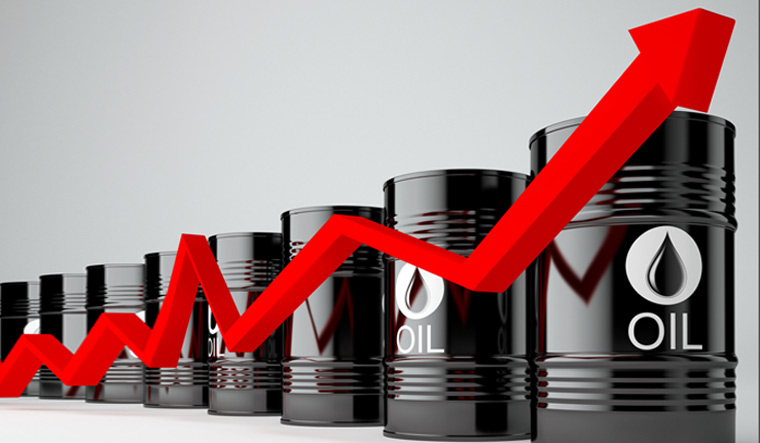

The rising tensions between Iran and Israel have led to a sharp increase in global crude oil prices. Recent reports show a substantial rise of one dollar per barrel, pushing crude oil prices above the $91 threshold. This surge represents a noteworthy $4 uptick in crude oil prices worldwide.
Throughout the week, the price of crude oil has steadily climbed by 4%, reaching its highest level since November 2023. The mounting tensions between Iran and Israel have heightened concerns among oil market analysts, prompting investors to closely monitor geopolitical developments for potential impacts on oil supplies and prices.
The latest spike in crude oil prices underscores the sensitivity of global oil markets to geopolitical tensions and highlights the importance of stability in key oil-producing regions for market equilibrium.
As tensions persist, market participants remain vigilant, anticipating further fluctuations in crude oil prices in response to evolving geopolitical dynamics.
Fears of a wider conflict in the region are growing, with Israel increasing preparations for a potential Iranian retaliation following its strike on the country’s diplomatic compound in Syria.
Geopolitical concerns in the Middle East have fueled this year’s surge in oil prices, further tightening a market already impacted by supply restrictions and robust demand. While the conflict between Israel and Hamas has resulted in Houthi attacks on shipping in the Red Sea, increasing transport costs, it has not yet escalated into a broader conflict in a region that supplies approximately one-third of the world’s oil. Cease-fire negotiations between Israel and Hamas, which could lead to the release of hostages held in Gaza, remain at an impasse.
Earlier this week, OPEC+ decided to maintain supply cuts for the first half of the year, meaning roughly 2 million barrels a day of output curbs will remain in place. These cuts have been compounded by Mexico’s decision to limit some oil exports, further reducing volumes available on the market.
