

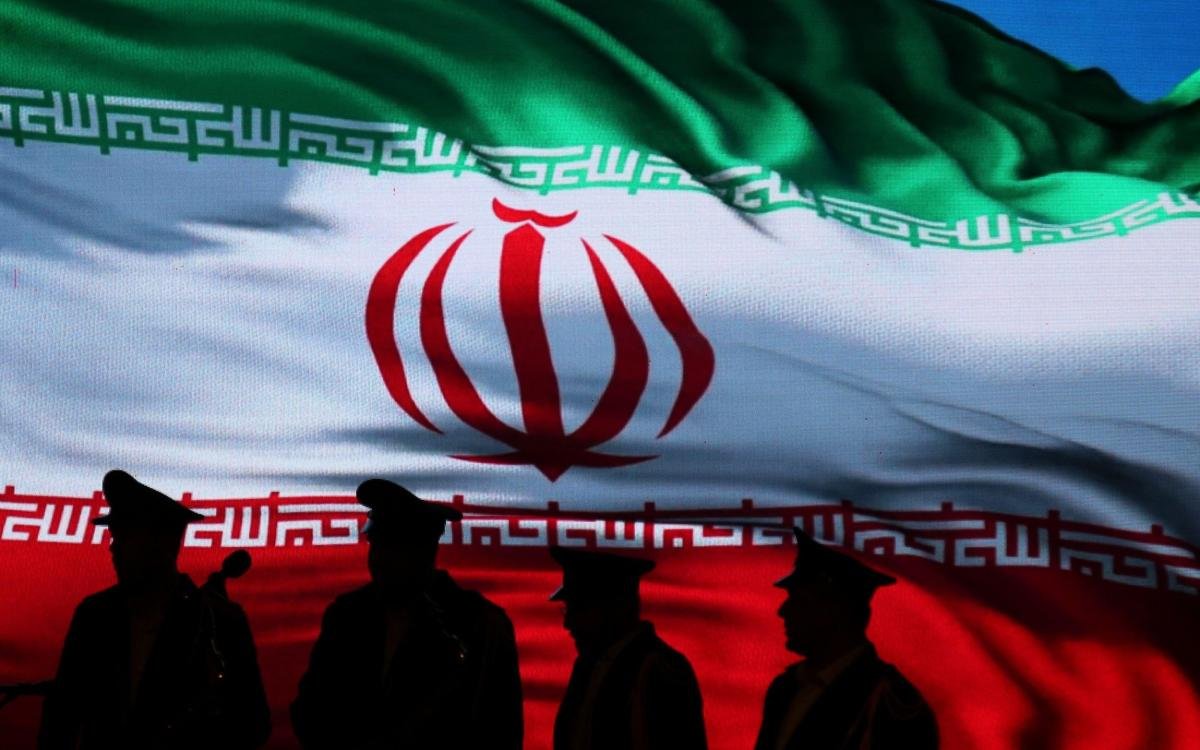

Following U.S. military strikes inside Venezuela and capture of President Nicolás Maduro, President Donald Trump appears increasingly confident about confronting Iran in a similar fashion. Even before the Caracas operation, Trump had intensified his rhetoric against Tehran. On Friday, he warned of possible military action over Iran’s handling of protests linked to economic pressures. Earlier in the week, during talks with Israeli Prime Minister Benjamin Netanyahu in Florida, Trump cautioned that further strikes could follow if Iran rebuilt its nuclear infrastructure or expanded its missile capabilities.
Netanyahu echoed the warnings and suggested that another military campaign could occur as early as 2026. Moreover, Israeli officials reiterated long-standing concerns over Iran’s nuclear ambitions, despite repeated international debates over the scope and status of Tehran’s program.
Past Conflict Shapes Current Calculations
In June, Trump gave Israel broad political backing during a twelve-day confrontation with Iran. Israeli airstrikes killed more than a thousand people, while U.S. forces targeted three Iranian nuclear facilities. However, Western assessments later acknowledged that the attacks delayed Iran’s nuclear activities only briefly. At the same time, Israeli analysts described the campaign as poorly coordinated. Iranian missile strikes penetrated Israeli defenses, hitting strategic locations and contributing to a ceasefire brokered by Washington and Qatar.
Rather than weakening domestic support, the conflict appeared to strengthen unity within Iran. Public sentiment rallied around national institutions, while regional and Global South governments criticized Israel’s actions and described the strikes as violations of sovereignty. Consequently, diplomatic pressure aimed at isolating Tehran instead generated wider criticism of Washington and Tel Aviv.
Historical experience also shapes Tehran’s posture. During the 1980s Iran-Iraq war, Iran endured eight years of conflict, chemical attacks, and economic isolation while maintaining internal cohesion. Analysts often cite that period as evidence of Iran’s capacity to absorb sustained pressure.
Now, as Trump signals renewed confidence after the Venezuela operation, observers warn that a similar approach toward Iran could carry significant risks. Regional analysts note that escalation would likely trigger widespread resistance rather than rapid political change.
