
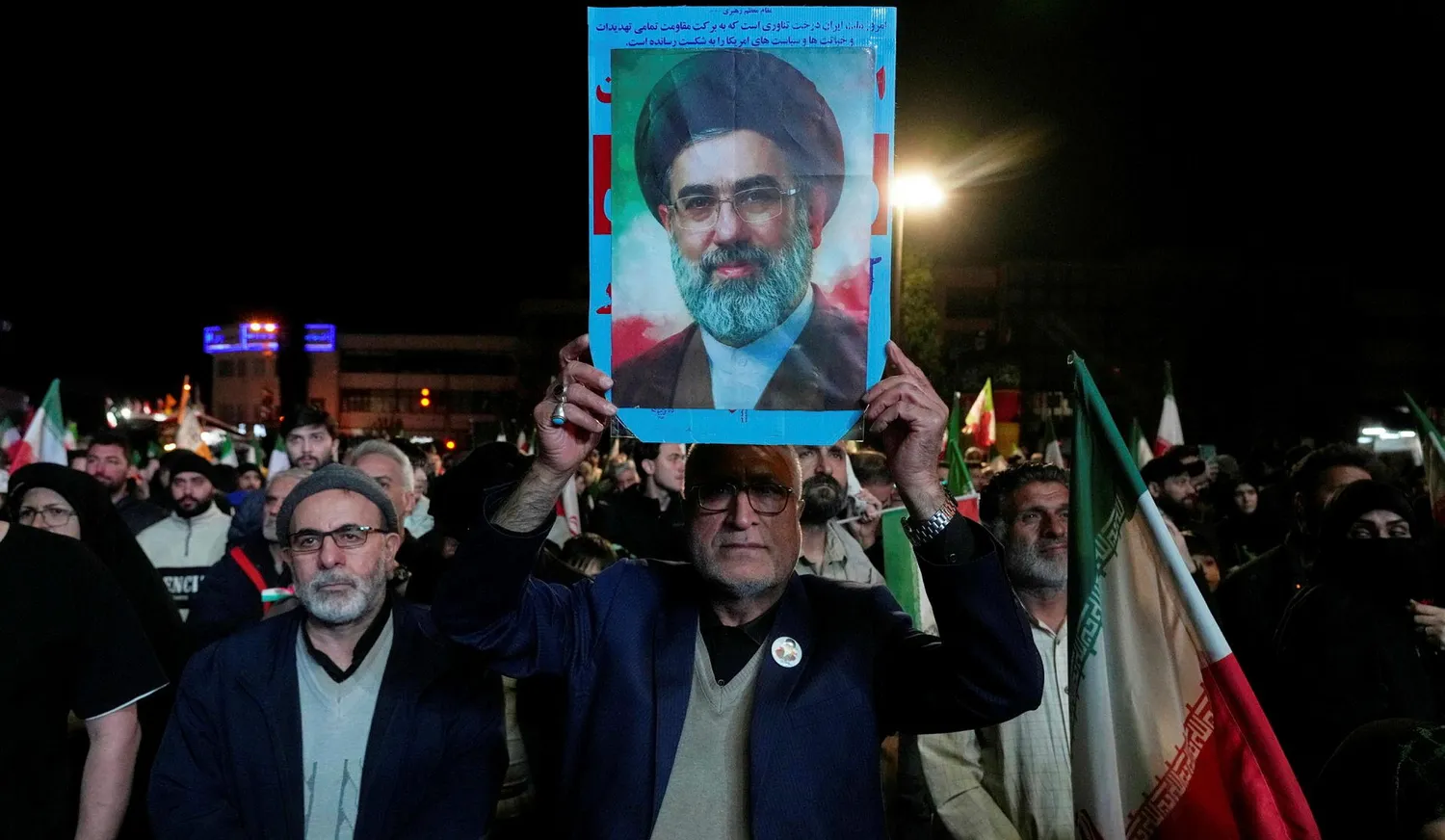

Tel Aviv: Iran’s Supreme National Security Council declared “total victory” on Wednesday after more than five weeks of war, asserting that its adversaries suffered a “crushing defeat.” The statement praised Iran’s population and allied groups across Iraq, Lebanon, Yemen, and Palestine while outlining sweeping demands directed at the United States; Israel Opposition Newspaper Haaretz argued in its editorial piece, Thursday.
Moreover, Tehran claimed Washington must guarantee non-aggression, accept Iran’s nuclear enrichment, lift all sanctions, and withdraw forces from the region. It also called for recognition of its influence over the Strait of Hormuz and compensation for war damages. These demands suggest Iran seeks not just de-escalation but a broader reshaping of regional power dynamics.
Ambitious Strategy Signals Broader Regional Goals
As negotiations between Iranian and U.S. officials prepare to begin in Islamabad, uncertainty remains over whether talks will occur directly. However, analysts already note a stark contrast in strategy. While the United States entered the conflict without a clear endgame, Iran now presents a comprehensive plan to expand its regional standing.
Meanwhile, the conflict has evolved beyond a limited confrontation. It has grown into a wider regional crisis affecting global economic stability. Iran leveraged its geographic control over key maritime routes, including the Strait of Hormuz, to counter military pressure and amplify its influence.
High-Stakes Demands Complicate Negotiations
Despite the cease-fire momentum, major disagreements persist. Iran seeks full sanctions relief and international recognition of its strategic control, conditions that could face strong resistance from Washington and Gulf states. Additionally, disputes over Iran’s nuclear program and ballistic missile capabilities remain unresolved.
Furthermore, Tehran may reassess its nuclear strategy following the conflict, potentially strengthening its negotiating position. At the same time, U.S. demands to curb Iran’s missile program and regional alliances could further complicate progress.
Although both sides signal willingness to negotiate, deep mistrust and competing ambitions threaten to derail efforts toward a comprehensive agreement.

