


Iranian authorities have announced that they are considering “gradually” restoring internet access after a 10-day nationwide shutdown prompted by widespread protests.
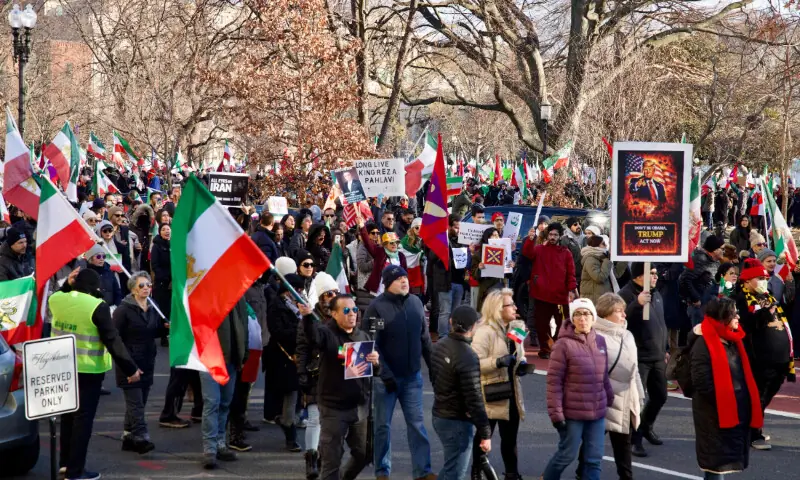
The blackout began on January 8, as demonstrations erupted over economic hardship and quickly grew into the largest public challenge to the Iranian leadership in years. Officials have described the rallies as initially peaceful but later turning into “riots,” blaming foreign influence from the United States and Israel for escalating tensions.
The protests subsided following a heavy crackdown by security forces. As calm returned, schools reopened on Sunday — Iran’s weekend being Thursday and Friday — after a week of closures.
According to the Tasnim news agency, relevant authorities stated that internet services would gradually resume, with no specific timeline provided. Local messaging applications are expected to become operational soon on Iran’s domestic intranet, which has been active during the blackout, supporting local websites, banking platforms, ride-hailing apps, and delivery services.
AFP reported limited internet connectivity from its Tehran office on Sunday, although most mobile and internet providers remain offline. Outgoing international calls resumed on Tuesday, while text messaging returned on Saturday morning. For days, residents experienced cuts to text messages, international calls, and in some areas, even local phone service.
Human rights organizations, including Norway-based Iran Human Rights (IHR), have estimated that 3,428 protesters were killed during the crackdown, though independent verification is limited.
Supreme Leader Ayatollah Ali Khamenei stated that “a few thousand” people were killed by what he described as agents of foreign powers and emphasized that authorities must “break the back of the seditionists.” Local media have reported multiple deaths among security personnel, while rights groups estimate up to 20,000 arrests have been made.
The gradual internet restoration marks the first step toward returning normalcy after widespread unrest, even as the country continues to grapple with political tension, human rights concerns, and international scrutiny. Authorities appear to be carefully controlling connectivity as part of their broader strategy to maintain order while reopening the nation to digital communication.
