

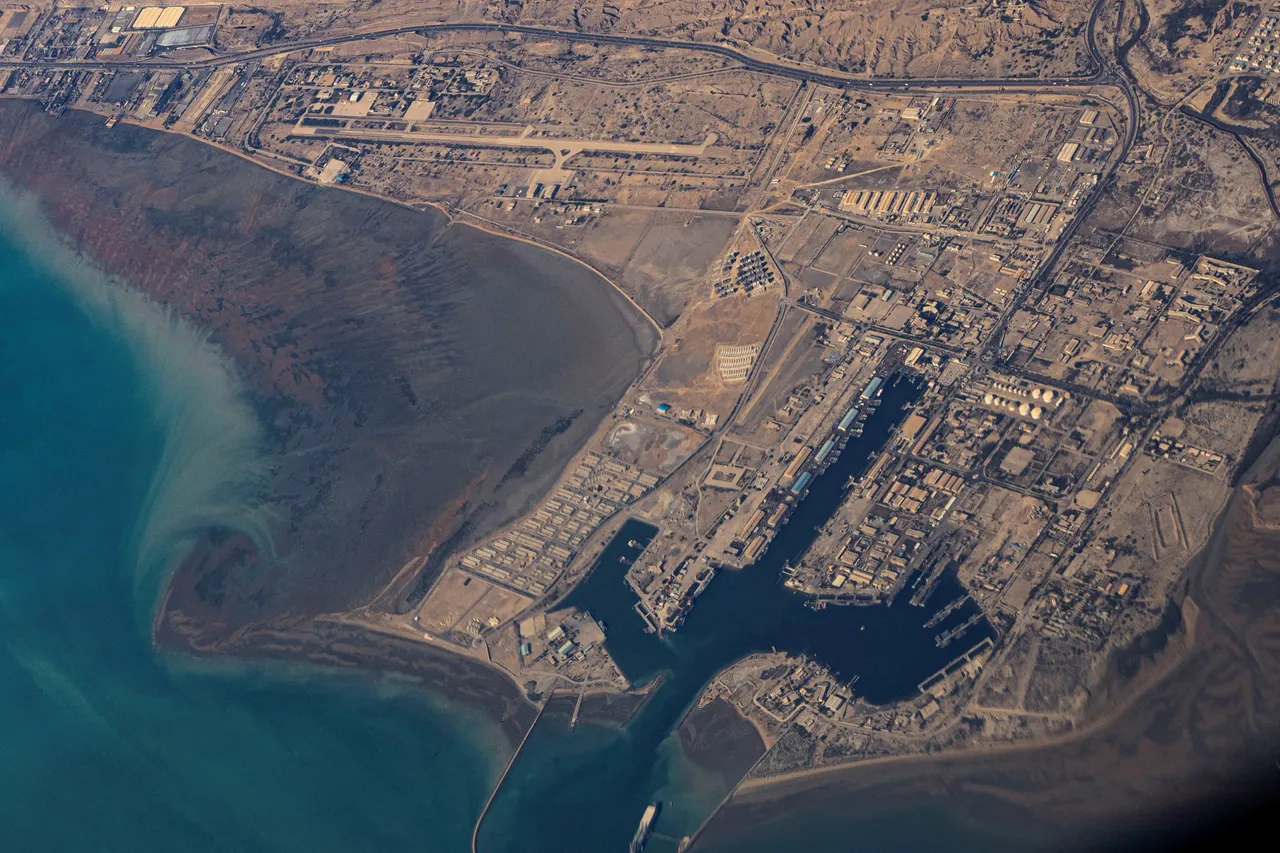

Tensions in the Middle East are rising after Iran publicly challenged the United States over the safety of oil shipments through the strategic Strait of Hormuz. A spokesperson for Iran’s powerful military force warned that the United States should carefully consider the risks before sending naval ships to escort tankers in the region.
The comments came after Donald Trump suggested that the United States Navy could escort oil tankers through the Strait of Hormuz if the situation demanded it. The proposal was made as regional tensions continue to disrupt shipping and energy exports in the area.
The Strait of Hormuz is one of the world’s most important oil transit routes. A large portion of global energy supplies passes through the narrow waterway every day.
Iran’s Revolutionary Guards Respond to US Proposal
The response from Iran came through a spokesperson for the Islamic Revolutionary Guard Corps. The spokesperson, Alimohammad Naini, addressed the issue in remarks reported by Iranian state media.
Naini said Iran was not concerned about the idea of US naval escorts for oil tankers. Instead, he challenged the United States to proceed with the plan if it wished.
“Iran strongly welcomes the escort of oil tankers,” Naini said in the statement. He added that Iranian forces were waiting to see whether American ships would appear in the region.
The comments were widely interpreted as a warning. Iranian officials suggested that the presence of foreign naval forces in the Strait of Hormuz could increase the risk of confrontation.
Iran has long argued that outside military activity in the region threatens stability. The country considers the waterway a sensitive security zone due to its proximity to Iranian territorial waters.
Iran Warns US by Recalling Past Tanker Attacks
During the statement, Naini also referenced earlier incidents involving oil tankers in the region. He urged the United States to remember previous attacks before making any final decision.
One of the examples mentioned was the attack on the oil tanker SS Bridgeton during the Tanker War in 1987. The vessel struck a mine while being escorted by US naval ships.
The incident became a major symbol of the risks involved in escorting tankers through the Gulf during times of conflict. Iranian officials said it shows how dangerous the waterway can become when tensions escalate.
Naini also referred to more recent attacks on commercial ships in the region. These incidents have increased concerns among global shipping companies and energy traders.
According to reports, at least nine vessels have been attacked since the latest escalation began. Shipping companies have already reduced traffic through the Strait of Hormuz due to security concerns.
Shipping Disruptions After US and Israel Strikes on Iran
The current crisis began after the United States and Israel launched strikes against Iran earlier in the week. The military actions triggered strong reactions from Tehran and raised fears of wider regional conflict.
Following the attacks, Iran’s Revolutionary Guards reportedly warned ships against passing through the Strait of Hormuz. The warning created immediate disruptions to shipping and oil exports.
Many energy companies rely heavily on this route to transport crude oil and liquefied natural gas. Any interruption to the flow of ships through the Strait can affect global energy markets.
Analysts say the Strait of Hormuz handles a significant share of the world’s seaborne oil trade. Even short disruptions can lead to price volatility and concerns about supply security.
For now, it remains unclear whether the United States will deploy naval escorts for tankers. However, the exchange of statements between Washington and Tehran shows how fragile the situation has become.
Security experts warn that any military presence in the narrow waterway could quickly escalate tensions. As a result, global attention remains focused on the Strait of Hormuz and the possibility of further incidents.
