
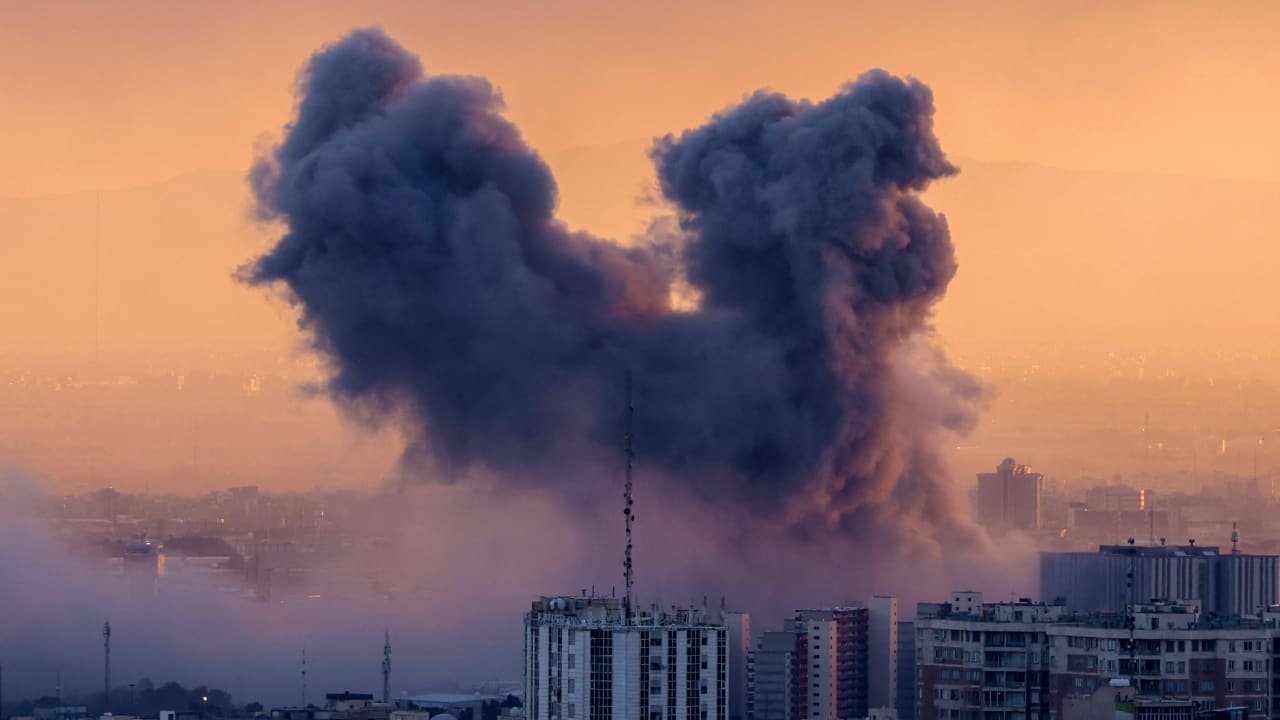

Questions have emerged over Iran’s ability to enforce its newly announced ceasefire after reports suggested missile strikes continued despite approval from Tehran’s leadership.
According to unverified intelligence claims circulating in security and media circles, Iran’s supreme leader reportedly approved the ceasefire while hospitalized in Qom and allegedly incapacitated. However, hours after the announcement, Iranian-linked missile and cluster warhead attacks reportedly continued against Israeli and Gulf targets, fuelling speculation of a fractured command structure within Iran’s military establishment.
Analysts say the contradiction may reflect the Islamic Revolutionary Guard Corps’ long-standing decentralised defence doctrine rather than a direct breach of orders.
Autonomous Provincial Commands Under Scrutiny
Military observers point to the IRGC’s restructuring over the past two decades into 31 semi-autonomous provincial commands, each with independent missile, drone and militia capabilities.
Under that framework, provincial commanders reportedly retain pre-delegated authority to launch operations if central leadership becomes incapacitated or communications fail. Analysts argue this system was specifically designed to preserve military continuity during wartime or leadership disruption.
As a result, security experts say Tehran’s political leadership may approve diplomatic arrangements while field commanders continue offensive operations under standing wartime directives.
Markets and Regional Powers Reassess Risks
The reported continuation of strikes has raised doubts over market assumptions that Iran’s ceasefire announcement signaled immediate de-escalation.
Oil markets had fallen sharply following ceasefire reports, reflecting expectations of reduced regional disruption. However, analysts now warn that decentralized military authority could undermine enforcement and prolong instability.
Meanwhile, Israel has maintained military operations across multiple fronts, including strikes in Lebanon and reported attacks on Iranian-linked positions, citing ongoing security threats.
Prime Minister Benjamin Netanyahu’s government has argued that continued hostile activity by Iranian-backed or Iranian-linked units justifies further military action despite diplomatic announcements.
The developments suggest any ceasefire may remain fragile unless Iran’s central leadership can demonstrate operational control over all military units and affiliated regional forces.

