
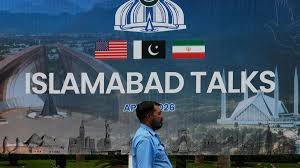

Tensions escalated after Iran accused the United States of derailing critical peace negotiations. Talks held in Islamabad ended without agreement after more than 21 hours of intense discussions. Iranian state media blamed Washington’s “unreasonable demands” for the breakdown.
According to Islamic Republic of Iran Broadcasting, Tehran made serious efforts to reach a deal. Officials said the Iranian delegation worked continuously to protect national interests. However, they claimed US conditions made progress impossible.
The failed talks mark another setback in efforts to end the ongoing Middle East conflict. Both sides remain far apart on key issues.
Iran Accuses US of Blocking Progress
Iranian media outlets presented a unified narrative after the talks collapsed. Reports from Fars News Agency suggested that Washington was looking for an exit. They claimed the US used tough demands as a pretext to leave negotiations.
Similarly, Press TV said discussions failed due to excessive US expectations. Iranian officials argued that these demands prevented any framework agreement.
Tehran insists it entered the talks with constructive proposals. It says multiple initiatives were presented during negotiations. Despite this, no breakthrough was achieved.
The Iranian position highlights deep mistrust between the two sides. It also reflects long-standing disagreements over security and sovereignty.
US Stands Firm on Nuclear Assurances
On the other side, the United States maintains a different stance. Vice President JD Vance said the talks ended without agreement. He stressed that Washington wanted clear guarantees from Iran on nuclear weapons.
According to Vance, the US presented what he called a “final and best offer.” He said Iran failed to provide the required assurances. This became a major sticking point in the discussions.
The US is pushing for a firm commitment from Iran to abandon nuclear weapons development. It also seeks stricter monitoring and limits on enrichment activities.
Despite the deadlock, Vance indicated that diplomacy is not over. He suggested Iran still has time to consider the proposal.
Strait of Hormuz and Regional Tensions Deepen Divide
Another major issue in the talks was the Strait of Hormuz. This route is vital for global oil shipments. Nearly one-fifth of the world’s oil passes through it.
Iranian media accused the US of making excessive demands regarding control and access to the waterway. These disagreements added further strain to already tense negotiations.
The talks took place against the backdrop of ongoing conflict. The crisis began after military strikes involving the US and Israel earlier this year. Iran responded with retaliatory actions, increasing regional instability.
Pakistan hosted the talks in an effort to mediate peace. However, both sides entered negotiations with rigid positions. This made compromise difficult.
The US delegation has now left Islamabad, signaling a pause in direct engagement. Still, diplomatic channels remain open. Future talks may take place if both sides show flexibility.
For now, the collapse of negotiations underscores the complexity of the conflict. It also raises concerns about prolonged instability in the region.

