

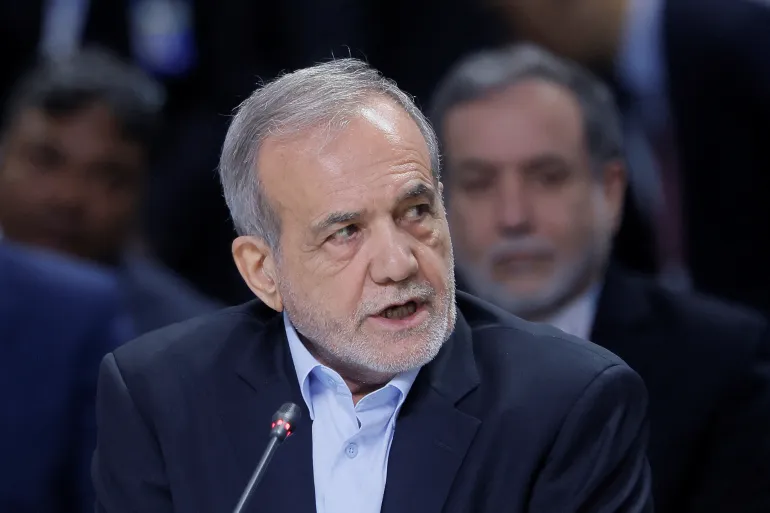

Iran stands at a critical moment as President Masoud Pezeshkian prepares to address the nation on economic reforms and public demands today. The announcement comes amid intensifying protests across the country, driven by soaring inflation and worsening living conditions that have pushed public frustration to new levels.
According to official statements, the president will outline the government’s major economic plan focused on reforming Iran’s subsidy system. He is also expected to discuss recent unrest and explain how authorities intend to respond to public concerns. Officials say the address aims to reassure citizens during a period of severe economic strain and political pressure.
Meanwhile, a rights monitoring group has reported a sharp rise in protest-related deaths, confirming that at least 192 people have been killed since demonstrations began two weeks ago. This marks a significant increase from earlier figures and highlights the escalating severity of the unrest. The group warned that the actual death toll could be far higher due to limited access to information.
Since Thursday, authorities have imposed a widespread internet blackout, severely restricting communication and independent verification. As a result, details from many protest locations remain unclear. However, available reports suggest clashes between demonstrators and security forces have intensified in multiple cities.
The protests began on December 28 in response to rising prices and economic hardship. Over time, they evolved into broader political demonstrations, with protesters openly calling for an end to clerical rule. Analysts note that economic grievances quickly transformed into a deeper challenge to Iran’s governing system.
Iranian authorities have rejected responsibility for the unrest and accused foreign powers of interference. Officials claim the United States and Israel are fueling instability to weaken the country internally. These accusations have further heightened tensions at a time when the region remains on edge.
Regional uncertainty has also grown alongside domestic unrest. Iranian leaders have warned that any military action against the country would trigger retaliation against regional targets. They have stated that foreign bases and allied territories would be considered legitimate targets in such a scenario.
At the same time, Israel has reportedly increased its security readiness, although officials have offered few public details. The situation remains volatile, with observers closely watching developments on both diplomatic and military fronts.
Despite the information blackout, videos circulating online show large nighttime gatherings in several urban areas. In some locations, protesters have used rhythmic noise and symbolic acts to demonstrate resistance. Meanwhile, state media has shown funeral processions for security personnel killed during clashes, underscoring the scale of the crisis.
International reactions continue to mount as global leaders monitor Iran’s internal stability. Some officials have warned Tehran against using excessive force, while others describe the situation as a prolonged test of endurance. Analysts suggest protesters aim to sustain pressure until meaningful political shifts occur, while authorities seek to regain control without triggering foreign intervention.
As President Pezeshkian prepares to speak, expectations among Iranians remain uncertain. Many hope the address will bring economic relief and meaningful reform. However, with protests spreading and tensions rising, the coming days may prove decisive for Iran’s political future and regional stability.
